
Commercial · Richmond Hill
Master Key System Design
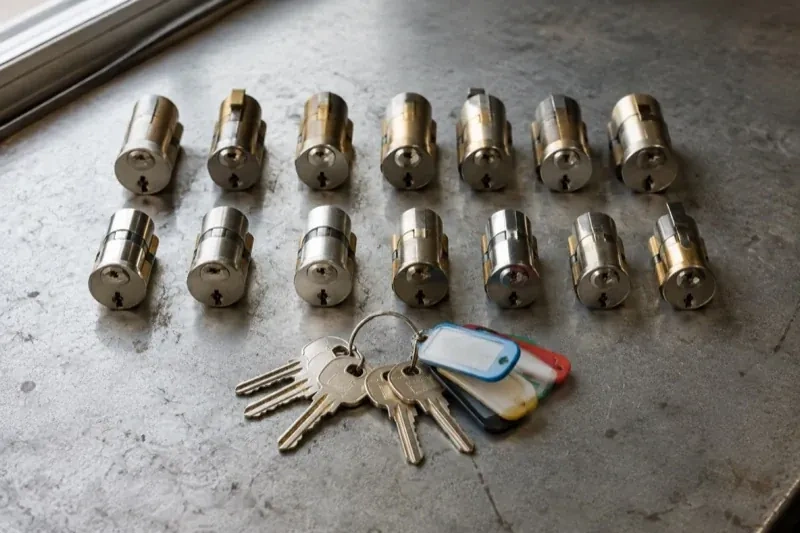
The new wing was built with its own brand of cylinder, so the two-year-old keys from the original building do not open a single door in the addition.
In plain words
In a building shared by several tenants, departments or contractors, master key system design draws a clear line between who needs a broad master and who needs a single change key for their own door. Cleaners, maintenance staff, department heads and the owner typically sit at different levels, and the hierarchy is built to reflect that rather than to make life easier for whoever is issuing keys that week. The chart that results shows every level at a glance, which makes it far simpler to answer a basic question: who can currently get into this room.
How the visit goesThe office key ring has become the org chart. Every manager carries a fistful of cuts, a couple of staff hold copies nobody remembers issuing, and when someone asks which key opens the records room, three different people give three different answers.
Master Key System Design
How the visit goes

Duplication and how tightly it needs to be controlled
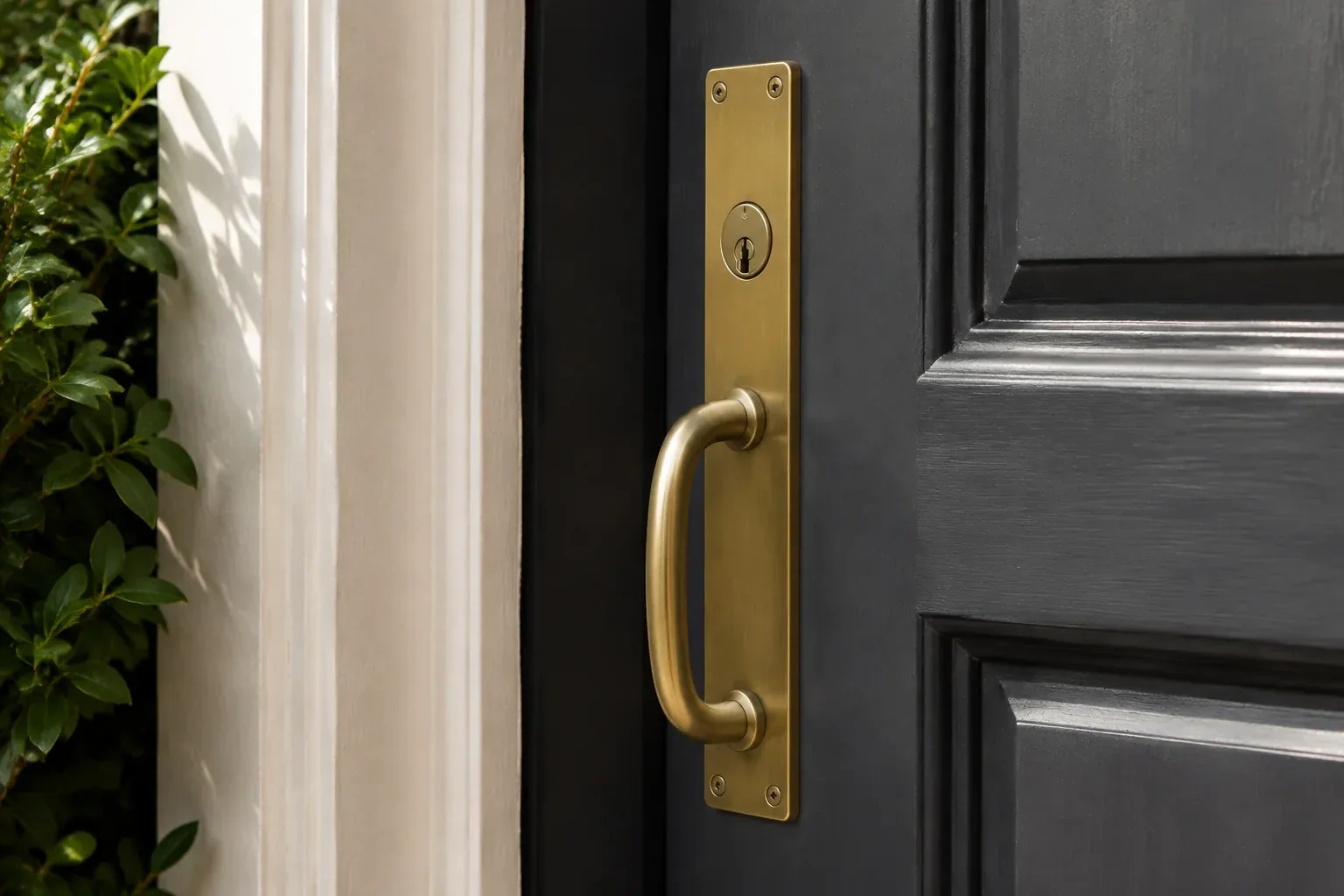
Some businesses are comfortable with standard key blanks that any hardware counter can cut; others, especially where records, cash or controlled supplies sit behind a door, want a restricted or patented keyway that limits duplication to a record the owner controls. This is decided door by door rather than for the whole property at once, since a stockroom and a records room rarely carry the same risk. The answer shapes both the hardware chosen and how future copies of any given key will be requested and tracked going forward.
Bringing electronic and mechanical access into one plan
Where a property mixes mechanical cylinders with keypad or card-based doors, the mechanical hierarchy is designed to line up with the electronic access groups rather than run as a separate, unrelated system. A department that sits at one sub-master level on the mechanical side is kept at a matching level on any electronic doors it also uses, and any mechanical override cylinders behind an electronic lock are pinned into the same chart as every other door, so one document still describes the whole property.
Room already built in for what comes next
Because spare capacity was planned into the keying platform from the start, a realistic new door, tenant or hire usually fits into the existing chart without disturbing levels that are already in use. This is the practical payoff of building the system with growth in mind rather than filling every available combination on the first day: expansion becomes an addition to the record, not a reopening of it.
Master Key System Design
In the van
Key cutting machine
Plug follower and key gauge
Bench test fixture
Change and master keys
Restricted or standard key blanks

Master Key System Design
What affects the quote
Collecting and retiring old keys
Gathering up old keys that are being replaced, confirming they no longer operate any cylinder, and retiring them from circulation is a small additional step some businesses want included, separate from the core design and cutting work.
Documentation and chart detail requested
A simple chart listing levels and holders is the baseline. Some businesses want a more detailed record, cross-referenced by department, room number or staff role, which takes additional time to prepare and is quoted as part of the documentation work.
How many locations are involved
A single building is simpler to assess and pin than several sites intended to share related levels of access. Travel between locations, and keeping the hierarchy consistent across more than one property, both add to the overall scope of the project.
What to have ready
- Do any doors need restricted or patented keys for duplication control?
- Roughly how many doors need to be part of the system?
- Are any doors part of a shared or condominium-controlled building system?
Master Key System Design: questions
QuestionsWhat does key control actually mean?
It means knowing, at any time, how many keys exist for a given door or level, who holds each one, and how a new copy would be authorized. A master key system supports key control by design, since keys are marked by role, logged by serial, and cut only against the chart, rather than copied informally whenever someone asks for one.
Can a master key system be expanded later without redesigning it?
Usually yes, if spare capacity was planned into the keying platform from the start. A new hire is normally handed a copy of the bitting their role already calls for, and a realistic new door can be pinned to accept a combination already reserved for that purpose. A system pinned to its absolute limit on day one has less room to grow, and adding a level to existing doors later can mean repinning cylinders that are already in daily use.
What is tested before the keys are handed over?
Every cylinder is tested on the bench against its assigned keys, then again once installed: the change key on its own door, the relevant sub-master across its whole group, and the top-level master across every door in the system. Any lock that responds to a key it should not is corrected before handover rather than left for the owner to discover later.
Related services
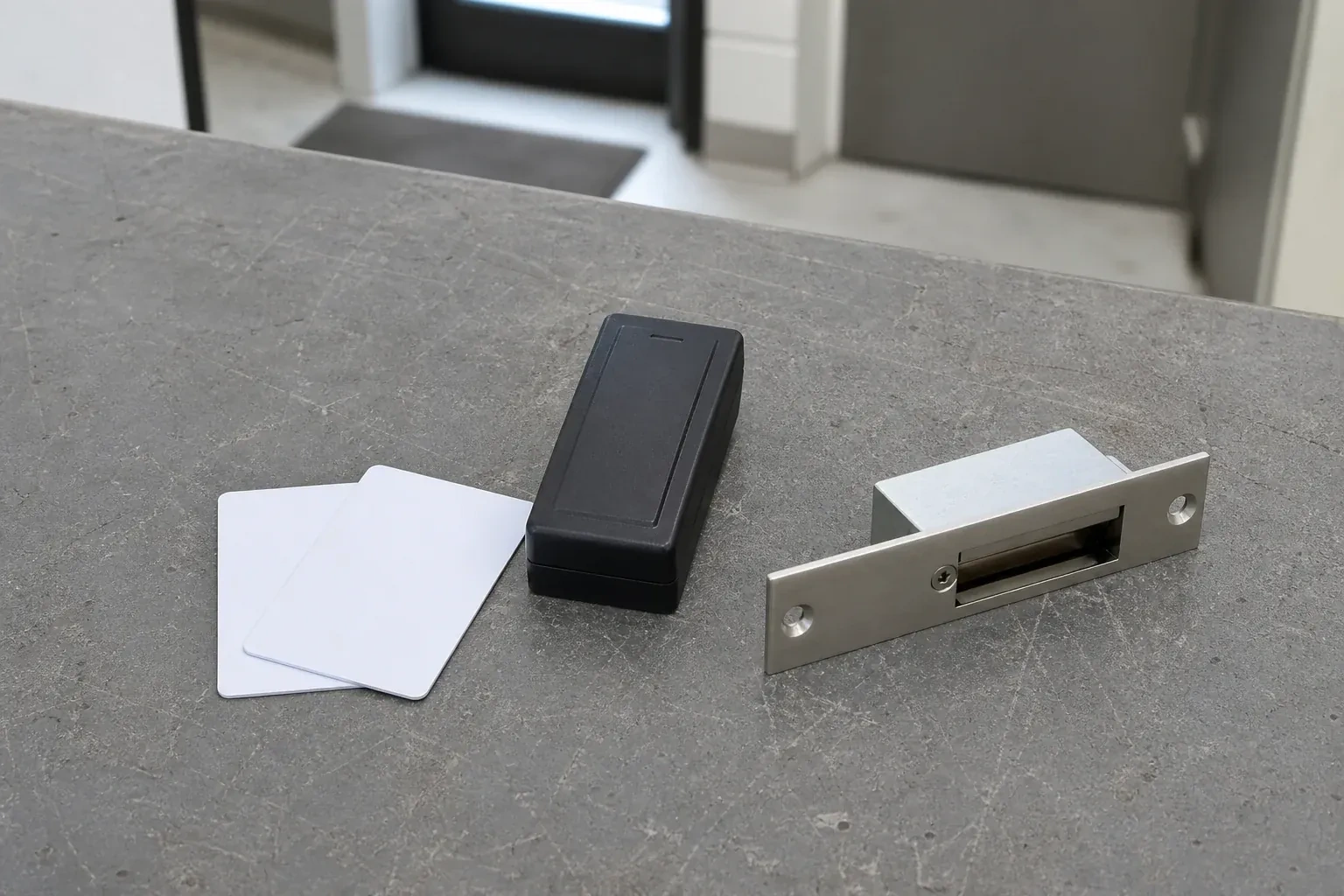
- Access Control InstallationDeliveries arrive before anyone is scheduled to be there, which right now means either propping the loading dock open at dawn or handing a key to a driver you have never met.
- Panic & Exit HardwareSomeone at the front counter always has to unlock the side door by hand before the lunch rush, because the round doorknob out there was never meant to be an exit for a room this size.
- Commercial-Grade Lock ReplacementThe kitchen delivery door gets shouldered open more than a hundred times a shift, and lately the latch slips past the strike plate instead of catching it on the first push.