Locksmith in Richmond Hill, OntarioMoving out?Hand over a clean slate.
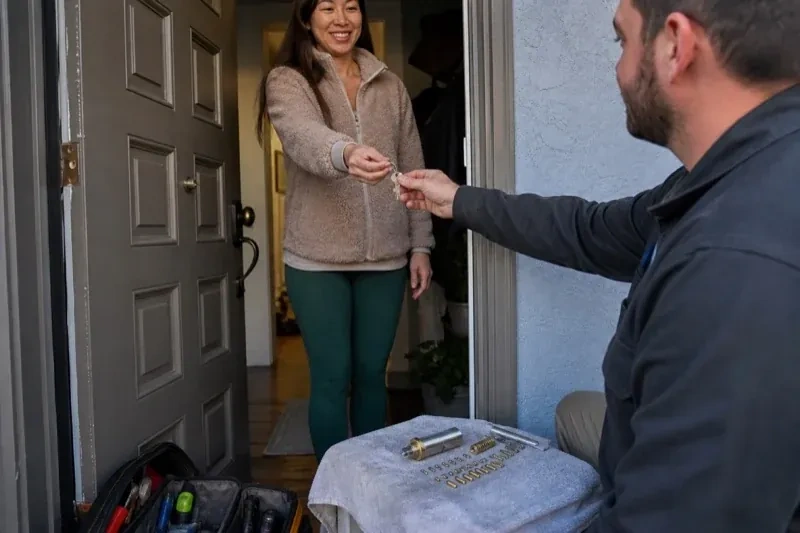
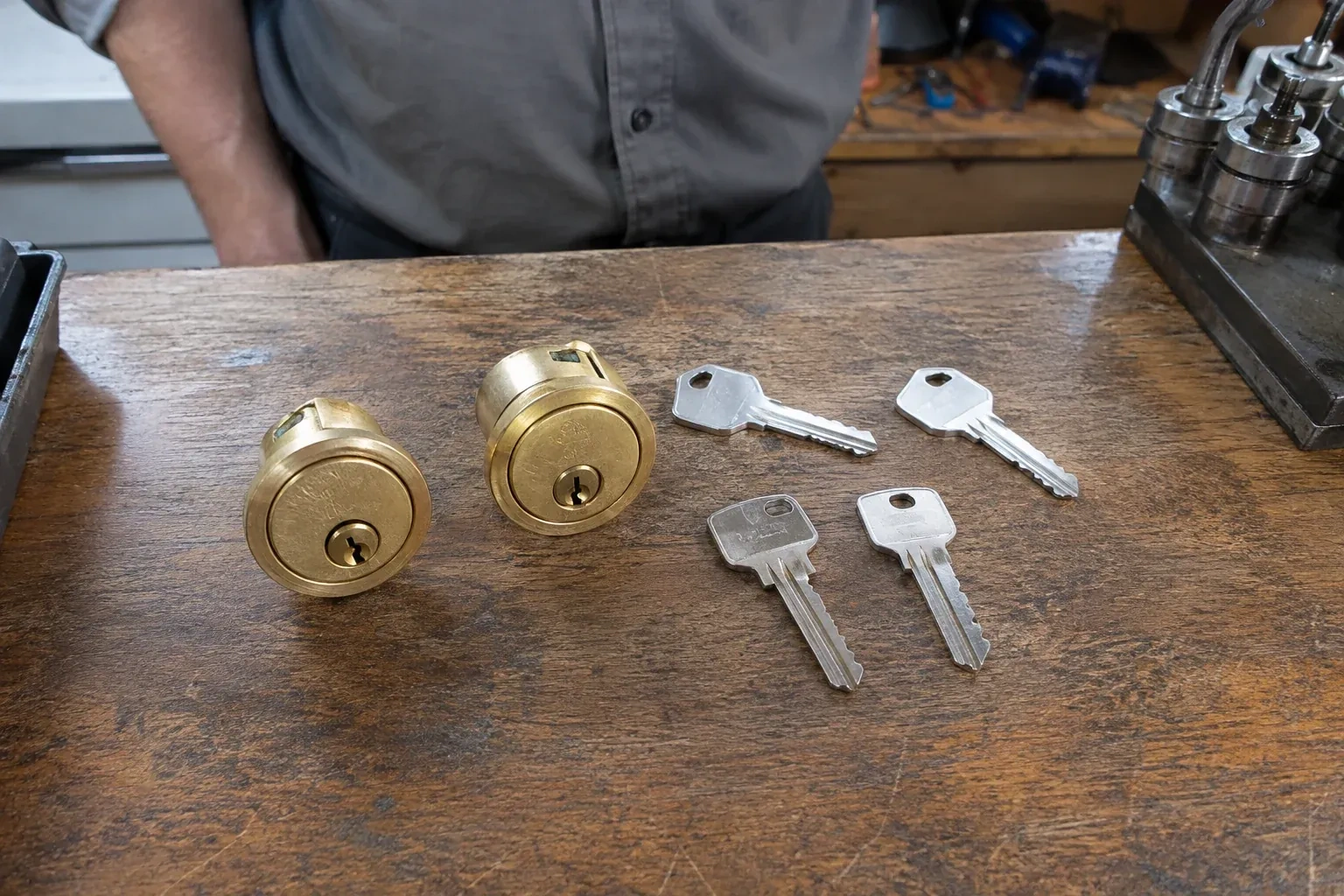
Selling or handing back a property in Richmond Hill goes more smoothly when the locks are fresh and every key accounted for. We rekey the exterior doors, gather the old keys, cut the set the next people will need, and give you a short written record to pass along with the paperwork.
Selling or handing back a property in Richmond Hill goes more smoothly when the locks are fresh and every key accounted for. We rekey the exterior doors, gather the old keys, cut the set the next people will need, and give you a short written record to pass along with the paperwork.
Residential, automotive and commercial locksmithing.
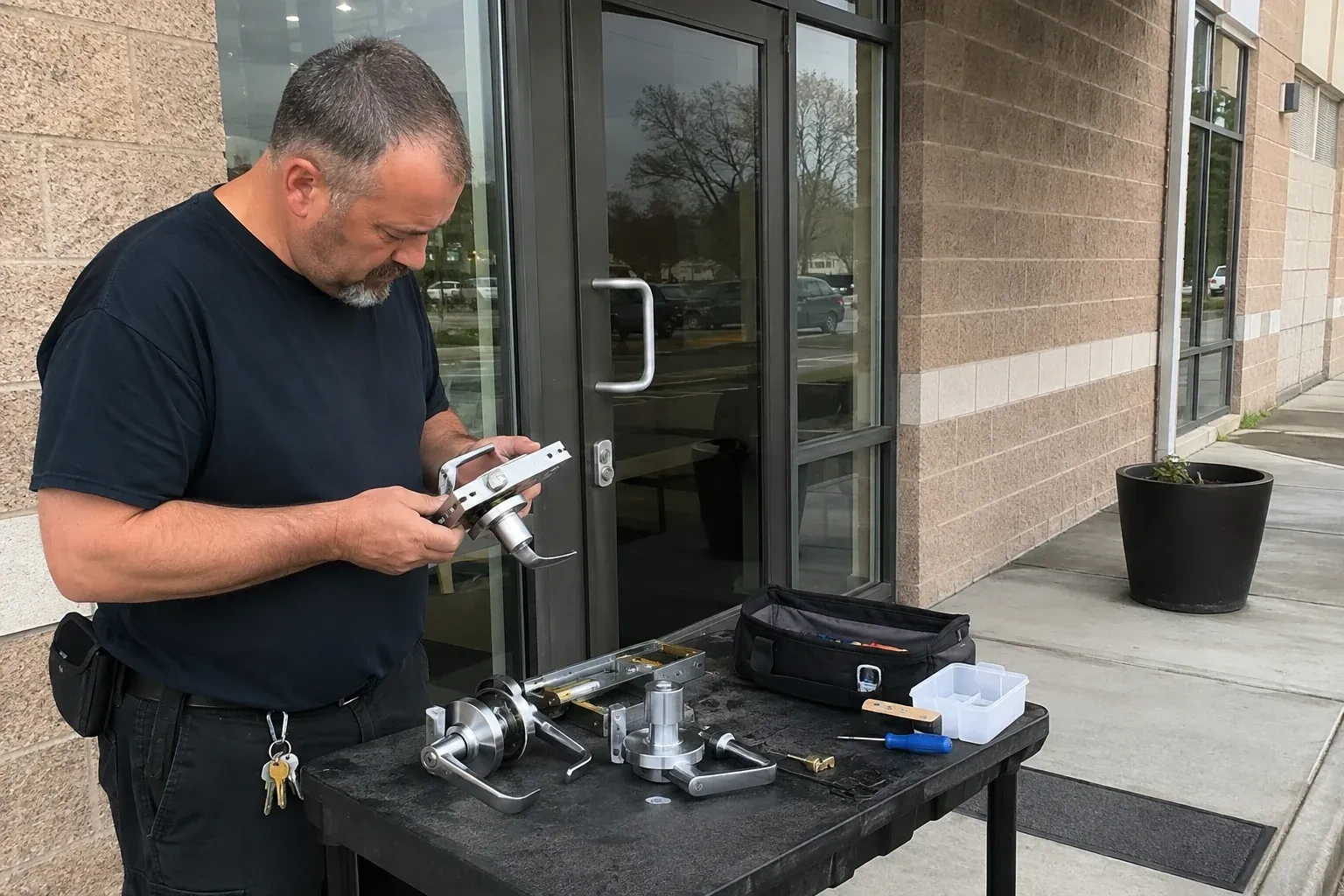
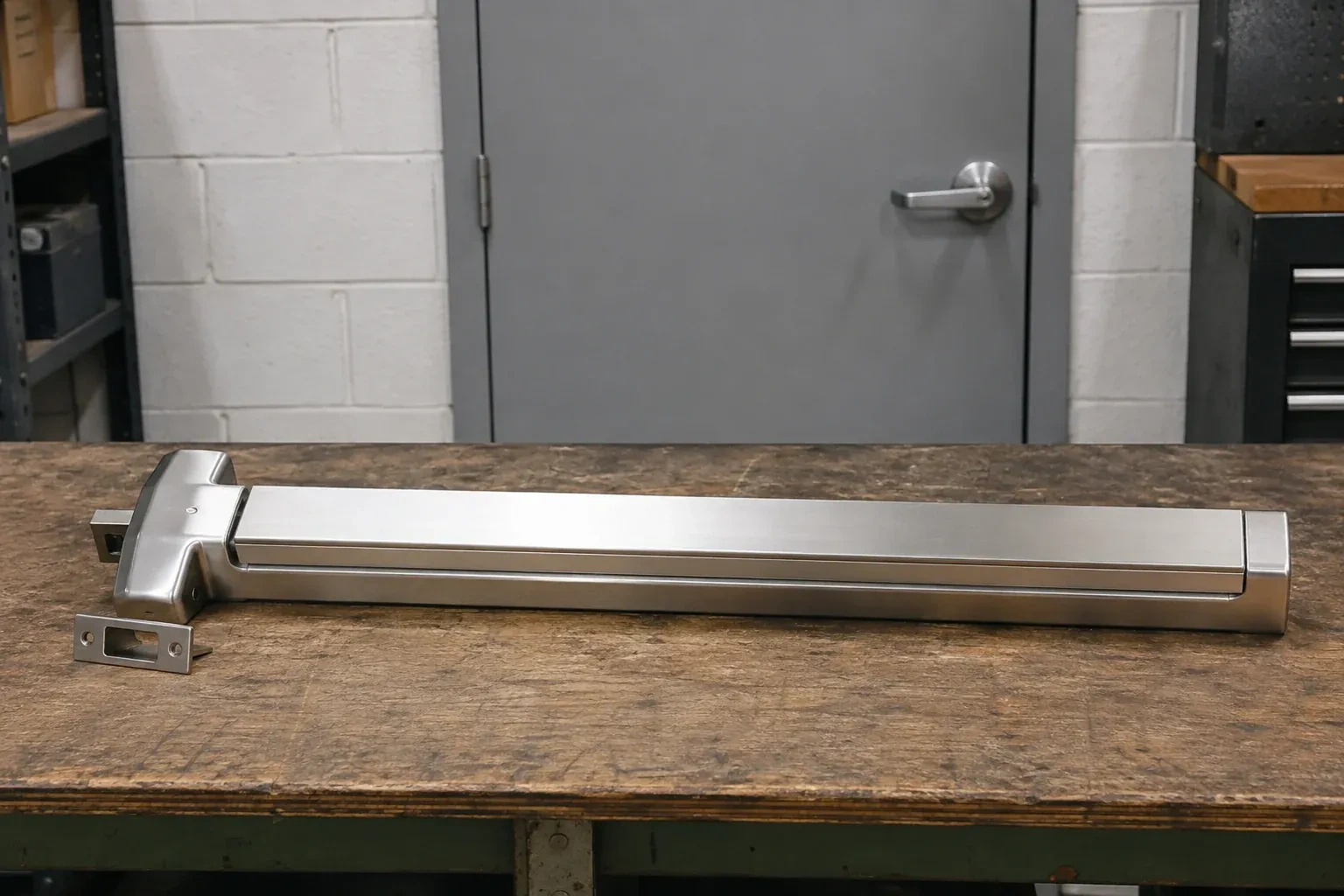
Businesses in Richmond Hill get exit hardware that lets everyone leave without hunting for a key, while the door stays locked from the outside. We fit and adjust push bars, panic bars and deadlatches, set the closers so the door shuts on its own, and check that the whole exit path works in one motion from inside.
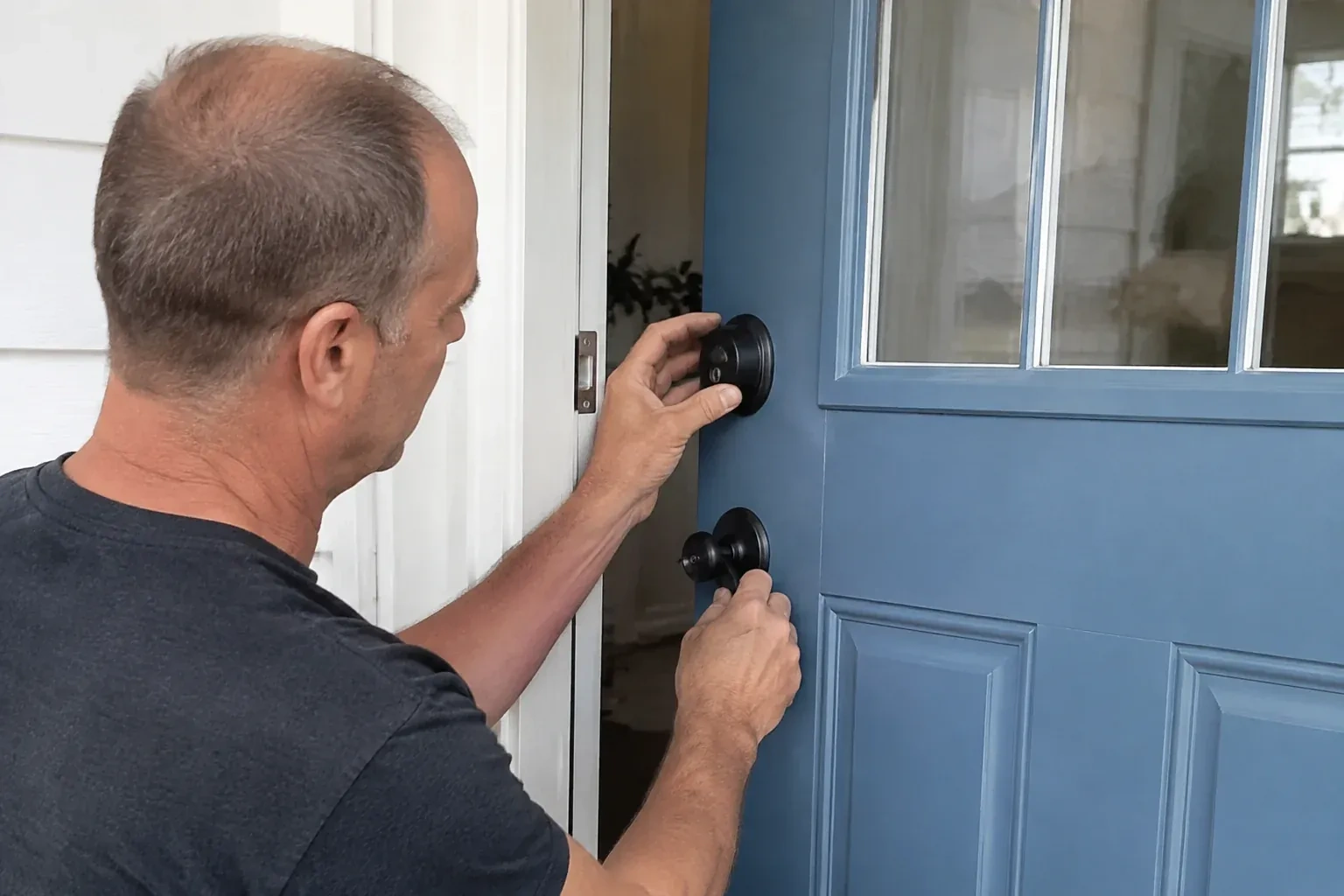
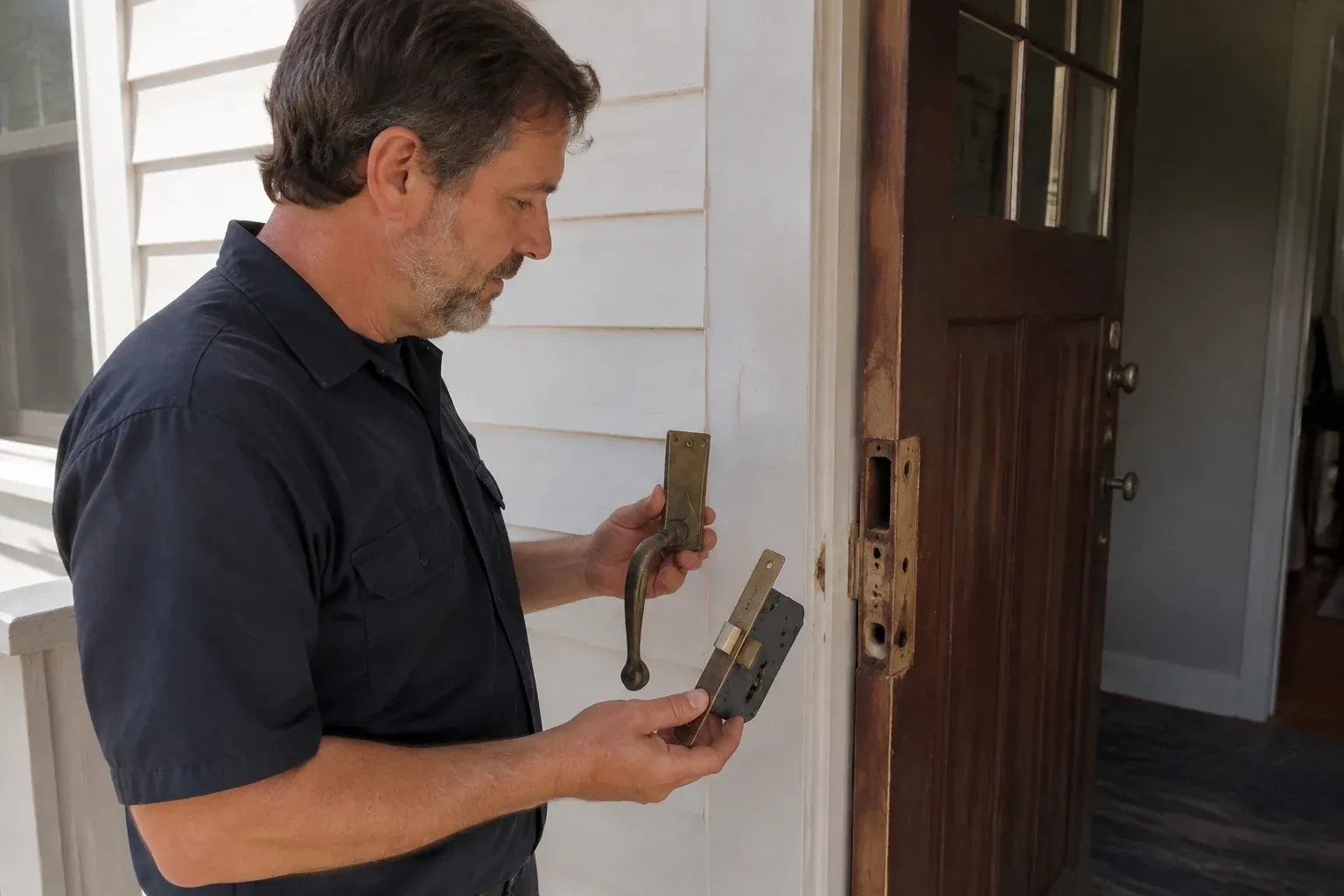
Whether your door in Richmond Hill is on a century home, a new townhouse or a unit above a shop, the questions are the same. Does it close properly? Does the key turn cleanly? Who else has one? We answer those with a careful look, straightforward options and tidy work, and we treat your time and your property with respect.
28years in business
24/7open every day
Straight talk about your options. We describe what each choice does and what it asks of you in effort, disruption and future flexibility, so the decision is yours.
Work explained as it happens. If you want to watch, we tell you what each step is for. If you would rather make a coffee, we give you the summary at the end.
Tidiness as standard. A lock change should not leave a mess. We bring what we need to keep the door area clean and we leave it that way.
The pages linked here cover each lock service available in Richmond Hill in the same plain format: the situation it solves, what the locksmith checks first, how he does the work, and how to care for the result. Pick the one that sounds like your door, then reach out to arrange a visit.
About 15% of homes in Richmond Hill were built in 1980 or earlier, according to the 2021 Census.
Newer homes
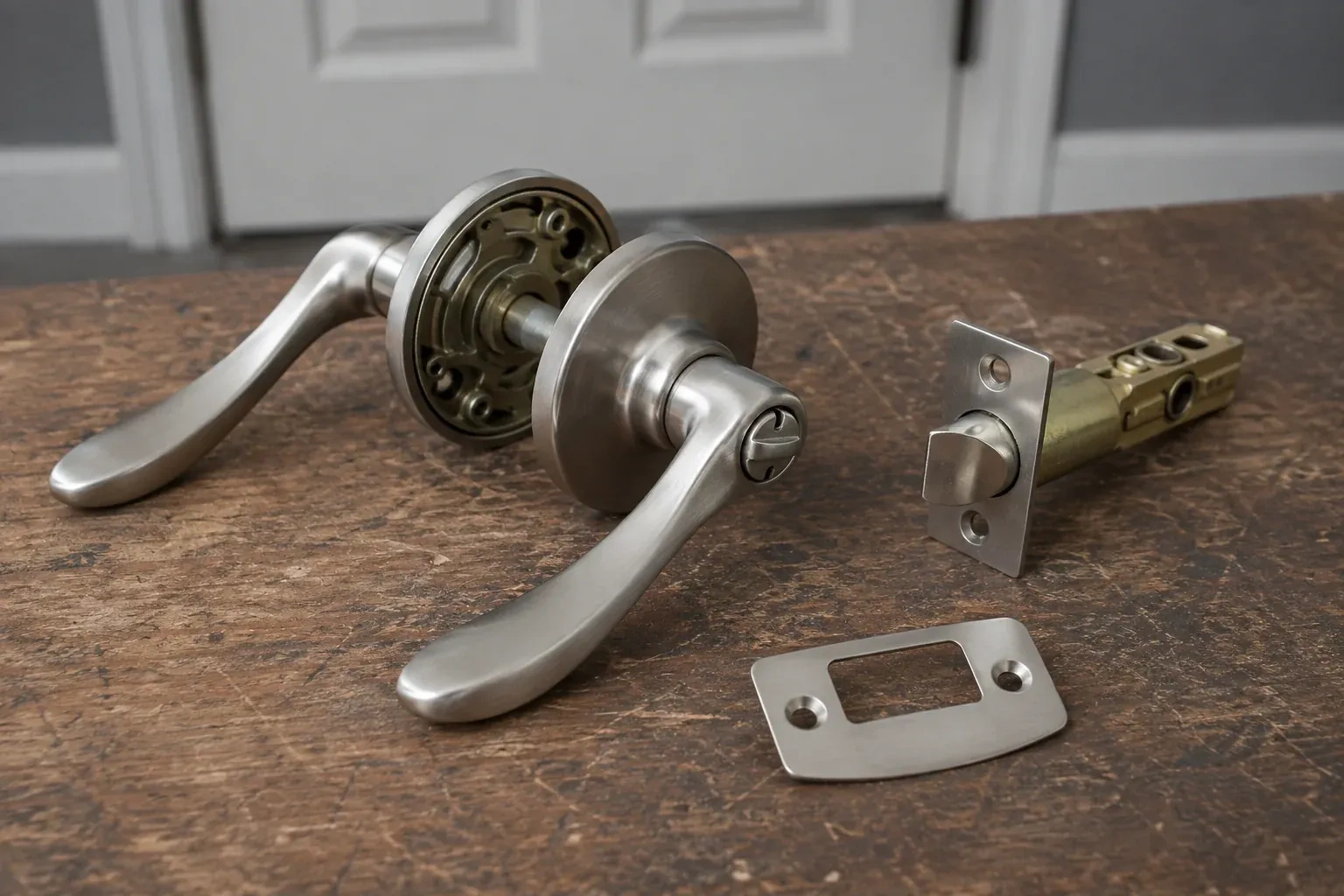
In newer developments the hardware is often the same finish and style from house to house. A locksmith can offer upgrades that match what is already there, so a stronger cylinder or a new lever set fits in without looking like an afterthought.
Single-detached houses make up about 57% of homes in Richmond Hill (2021 Census).
Neighbourhoods of houses beside townhouses and low-rise buildings have a range of door constructions: solid wood, steel, fibreglass and metal-clad. A locksmith who works in such an area is used to fitting hardware to all of them without new holes.
A cook stepped into the alley with the recycling and the rear door swung shut behind him. The push bar works from inside, but the outside handle has a keyed cylinder and the key is hanging in the kitchen office. The front door is locked too.
A roommate tried to help with tweezers, then by gluing the other half to it. The fragment is now further in than it started, there is dried glue around the keyway, and the front door still does not open.
You were shovelling the driveway after dark and the ring must have slid out of your coat pocket somewhere under a metre of snow. You have raked the whole bank with a flashlight. It will turn up in April, and you would rather not wait.
A visitor buzzes from the panel downstairs, someone presses the button by the door, and nothing happens. The electric strike on the lobby door used to click open on cue; now it stays silent, and residents are propping the entry with a folded flyer instead.
Someone tried to pry the little door on the mailbox open with a screwdriver, and though the mail sitting inside is untouched, the lock now sits crooked in its hole and the key barely catches when it is turned.
A key turned up in the parking lot with the shop's name on its fob. It came back to you, which is lucky, but it means keys are leaving the building on rings you have never seen, and the shop's locks have not changed since opening day.
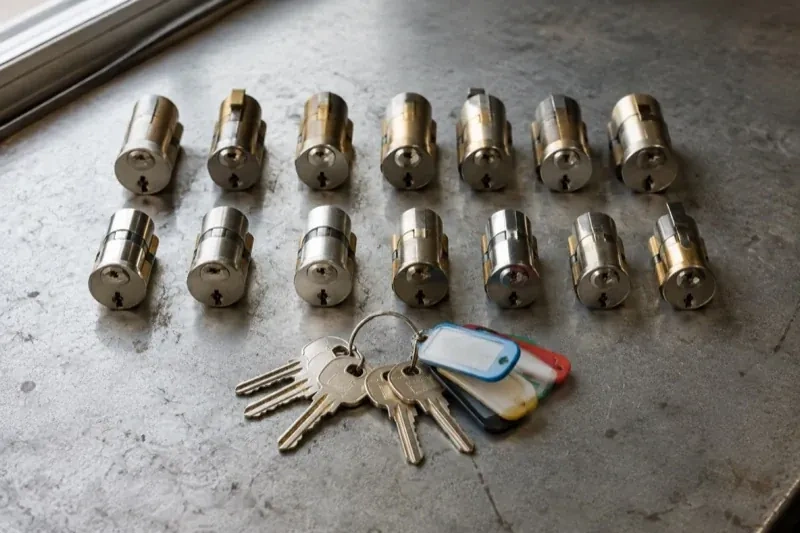
A property manager taking over a small commercial building inherits a shoebox of keys with no labels and no chart. Some open the mechanical room, some open vacant units, and a few do not seem to match anything currently on the property at all.
The back door of the shop runs on one key, and by now it lives on six different rings: yours, two managers, a cleaner, a supplier who restocks early, and a keyholder nobody quite remembers approving.
Turning the key used to take one smooth motion. Lately it grinds partway through, sometimes needing a second attempt, and yesterday it stopped reaching start altogether. The key itself looks the same as always; something inside the ignition has changed instead.
A commercial key plan should survive the person who set it up. We leave a written schedule of which key opens which door and who holds what, so a new manager inherits a system rather than a mystery.
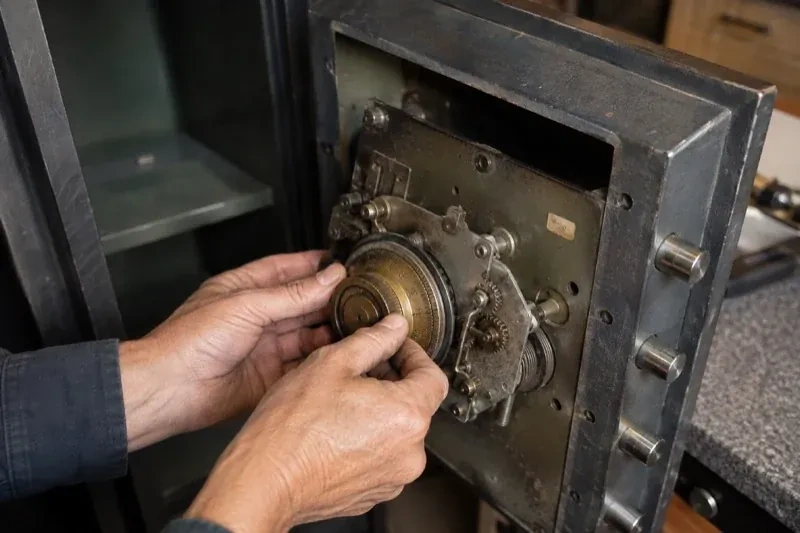
Decades of daily use have left the law firm's old dial safe drifting: the numbers line up close to where they should, never quite enough to drop the bolt.
Behind the filing cabinets sits a heavy floor safe nobody ever bolted down, left exactly as the last owner set it. It opens fine, but a determined pair of hands could simply tip it into a van.
Which fix fits?
A cook stepped into the alley with the recycling and the rear door swung shut behind him.
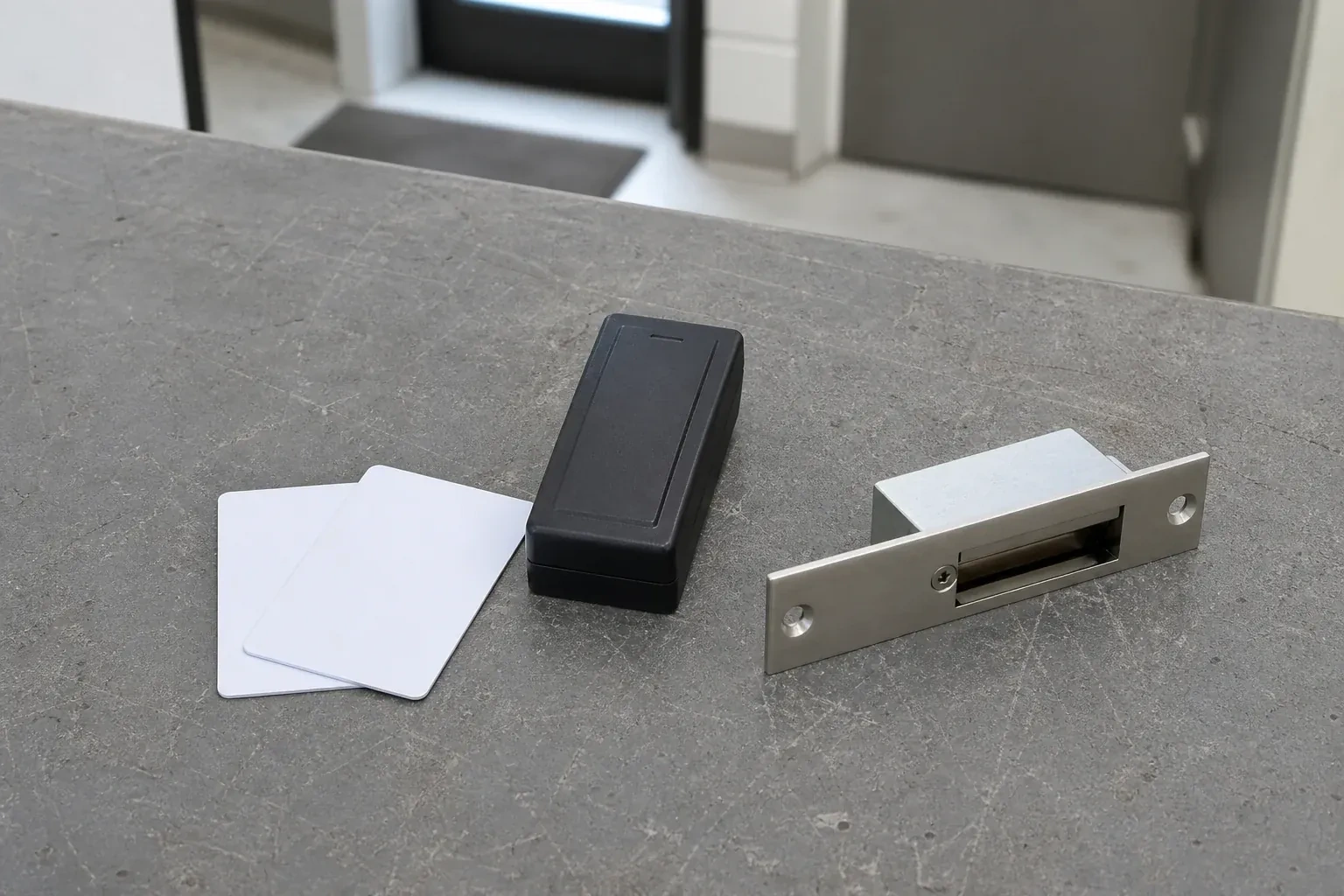
WhySome building entries add a buzzer, a keypad or an electric strike to the mechanical lock, and any one of those pieces can be the reason a door stops releasing on cue.
Someone tried to pry the little door on the mailbox open with a screwdriver, and though the mail sitting inside is untouched, the lock now sits crooked in its hole and the key barely catches when it is turned.
WhyIn a building shared by several tenants, departments or contractors, master key system design draws a clear line between who needs a broad master and who needs a single change key for their own door.
The back door of the shop runs on one key, and by now it lives on six different rings: yours, two managers, a cleaner, a supplier who restocks early, and a keyholder nobody quite remembers approving.
WhyAccess control installation swaps a shared metal key for an electronic one: a card, a fob, a code, or a phone tap that a controller checks against a list the business manages.
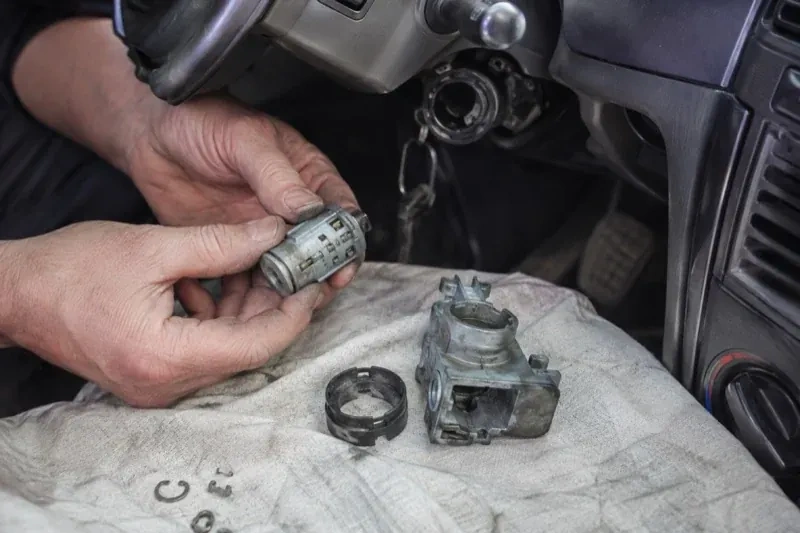
WhyIgnition Lock Repair addresses the mechanical cylinder in the vehicle's keyed ignition assembly, commonly at the steering column though some are instrument-panel mounted, that a key turns through accessory, on and start, separately from any electronic immobilizer or transponder system layered behind it.
How a visit goes
Describe the property, the hardware and what has changed, and the visit starts from what you have seen.
1
2
3
01
Planning the levels
Together we list the doors, then decide who should open everything, who should open a floor and who should open one room. That structure becomes the keying chart.
02
Pinning to the chart
Every cylinder is pinned so the right keys work and nothing else does. We check each combination against the chart as we go, not at the end.
03
Delivering keys and the record
You receive the keys labelled by level, the chart and a plain explanation of how to add a door or retire a key later without redoing the whole system.
Do you work with our alarm company and access-control provider?
Yes, and it makes the visit smoother. The alarm station is told an entry is expected and the authorised person handles the disarm and password. For access control, the provider can often confirm the controller's status, unlock a magnetic lock remotely, or re-enrol fobs once you are inside, while the locksmith handles the mechanical side and the override cylinder. Nobody's wiring is cut; each party does the part it is set up to do.
My key is a restricted or high-security type. Can it still be extracted and replaced?
Extraction is the same careful process; the keyway is usually narrower and the cuts more complex, so it takes longer. The replacement key is different: restricted blanks are cut only from the system's records, so have the authorization card that was supplied with the system to hand, or the locksmith who installed it is contacted. Until then the spare, if you have one, keeps the door working.
How many new keys should I ask for?
Count the people who genuinely need one and add one for a known spare location: each adult, a teenager, a caregiver or regular sitter, the neighbour who checks the house, the landlord if you rent. Keys are cut on site, so the number is easy to settle during the visit. Fewer keys with names attached is the point; another can always be cut later from the code.
How do you decide whether to repair a gate lock or replace it?
The decision follows what the assessment actually finds rather than the age of the hardware alone. A cylinder that is only stiff or slightly worn is usually serviced and left in place, while one that is pitted, cracked or built to a grade unsuited to its exposure is replaced. The same logic applies to a closer or hinge: adjustment first, replacement only once the part itself has genuinely failed. You are told which category the hardware fell into and why before any work proceeds.
Do I need to prove the mailbox is mine before you change the lock?
Yes, and it takes only a moment. For a house or a standalone box, an address match usually settles it. For one compartment in a shared building panel, a lease, a deed, a unit number matching the building's own records, or confirmation from the property manager does the job. This step protects every household on the same panel, including whoever calls next.
Will rekeying affect our alarm system or card readers?
Mechanical rekeying leaves electronics alone: alarm panels, card readers and keypads keep their codes and credentials. What changes is the list of people holding keys, and it is worth updating the alarm company's keyholder list and retiring the codes of anyone who has left at the same time, since keys and codes usually walk out together. Where a door has both a card reader and a keyed override, the override cylinder is rekeyed with the rest.
Can a master key system be expanded later without redesigning it?
Usually yes, if spare capacity was planned into the keying platform from the start. A new hire is normally handed a copy of the bitting their role already calls for, and a realistic new door can be pinned to accept a combination already reserved for that purpose. A system pinned to its absolute limit on day one has less room to grow, and adding a level to existing doors later can mean repinning cylinders that are already in daily use.
Can a person's access change automatically by time of day or day of the week?
Yes. Access levels can be set to change automatically by time of day or day of the week, so a credential that opens a door during a shift can be denied outside it without anyone having to remember to switch it off manually. This is set up once in the schedule and then runs on its own from that point forward.
What is the difference between this and being locked out of my car?
A lockout is about getting into a vehicle that is closed against you; ignition lock repair is about the mechanism the key turns once you are already inside or once the door is open. The two sometimes happen together, a stuck ignition can follow a lockout, but a working ignition and a locked door are separate problems with separate tools and separate visits to arrange.
Request a visit
Businesses in Richmond Hill get exit hardware that lets everyone leave without hunting for a key, while the door stays locked from the outside. We fit and adjust push bars, panic bars and deadlatches, set the closers so the door shuts on its own, and check that the whole exit path works in one motion from inside.