Commercial · Richmond Hill
Commercial-Grade Lock Replacement
The kitchen delivery door gets shouldered open more than a hundred times a shift, and lately the latch slips past the strike plate instead of catching it on the first push.
In plain words
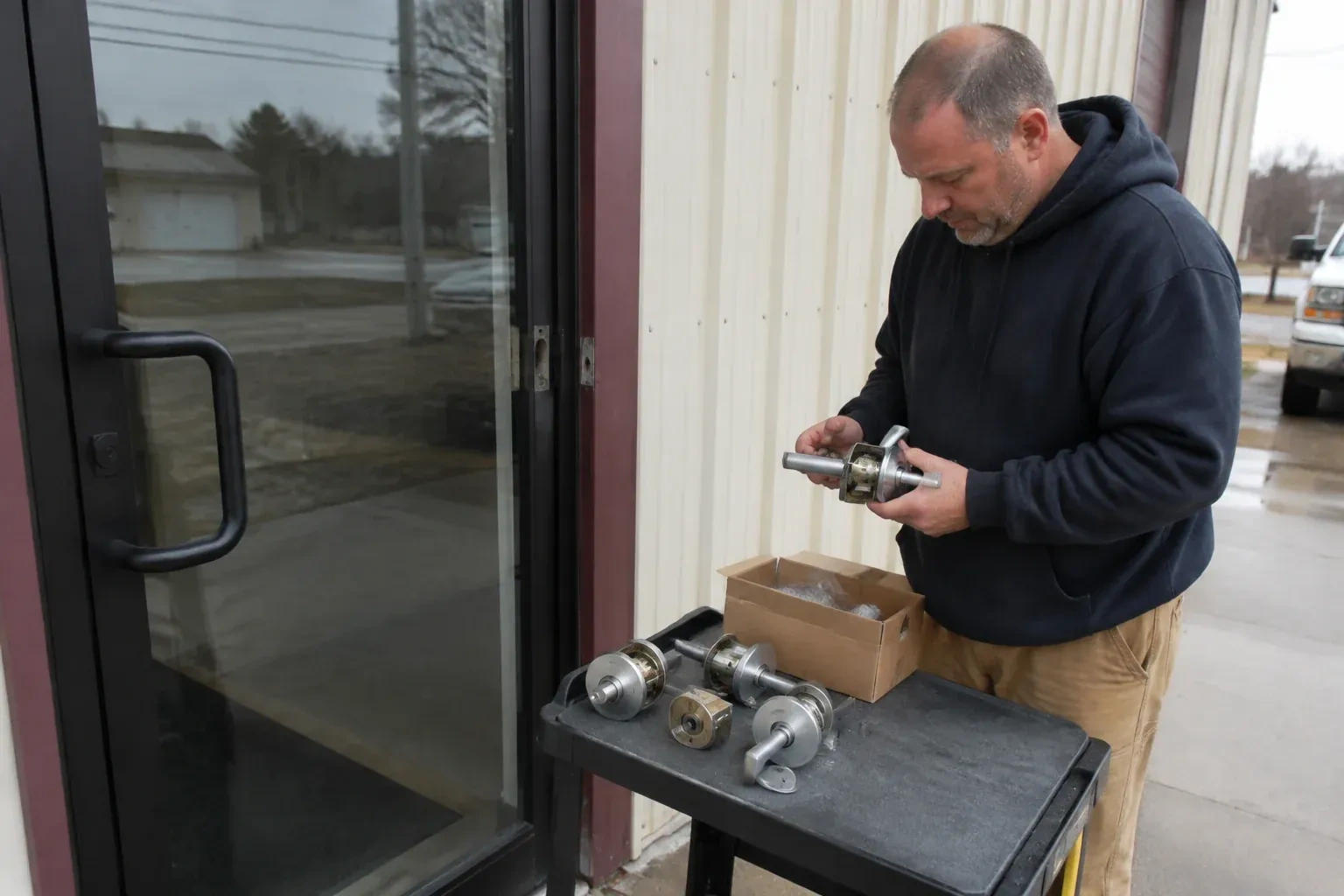
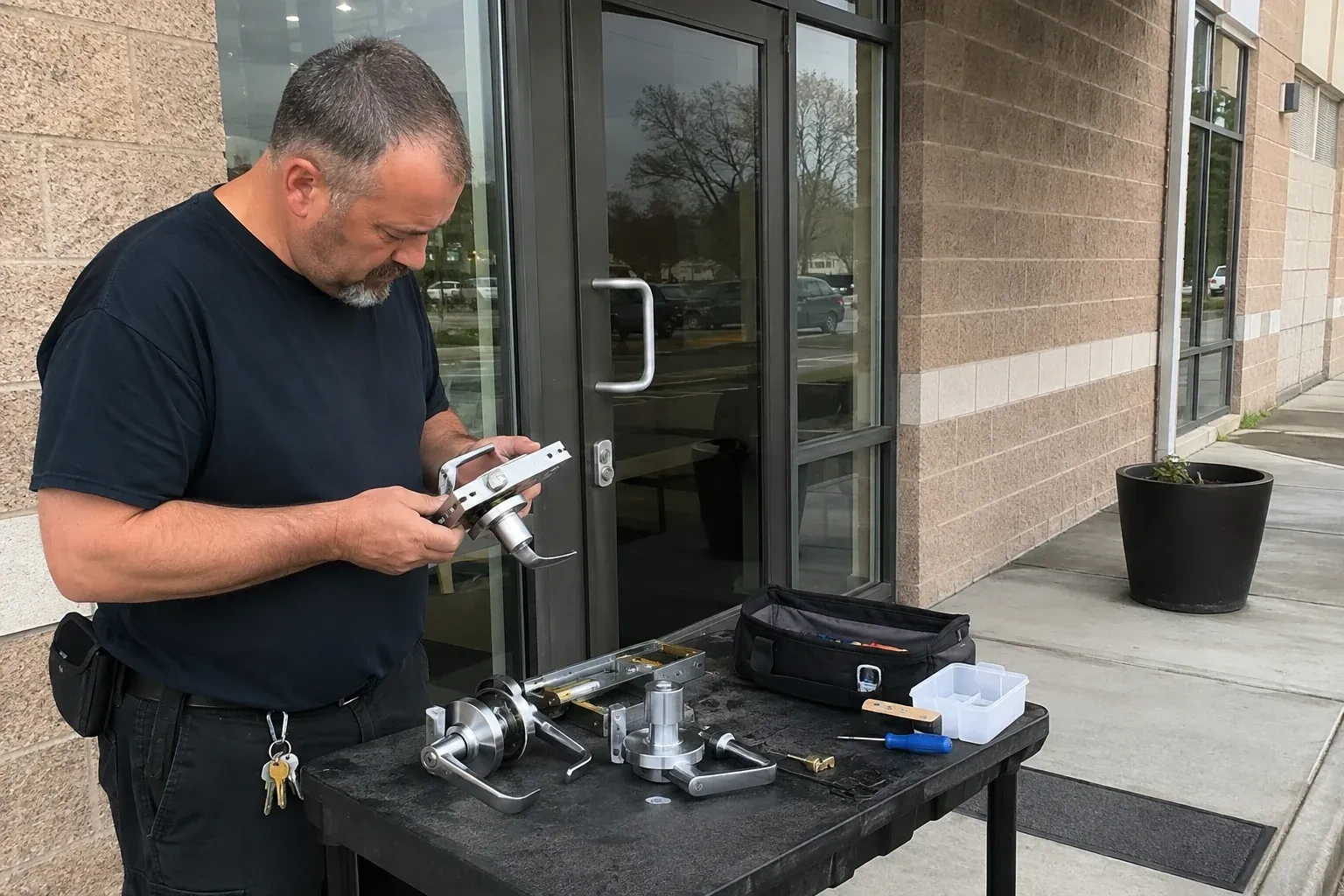
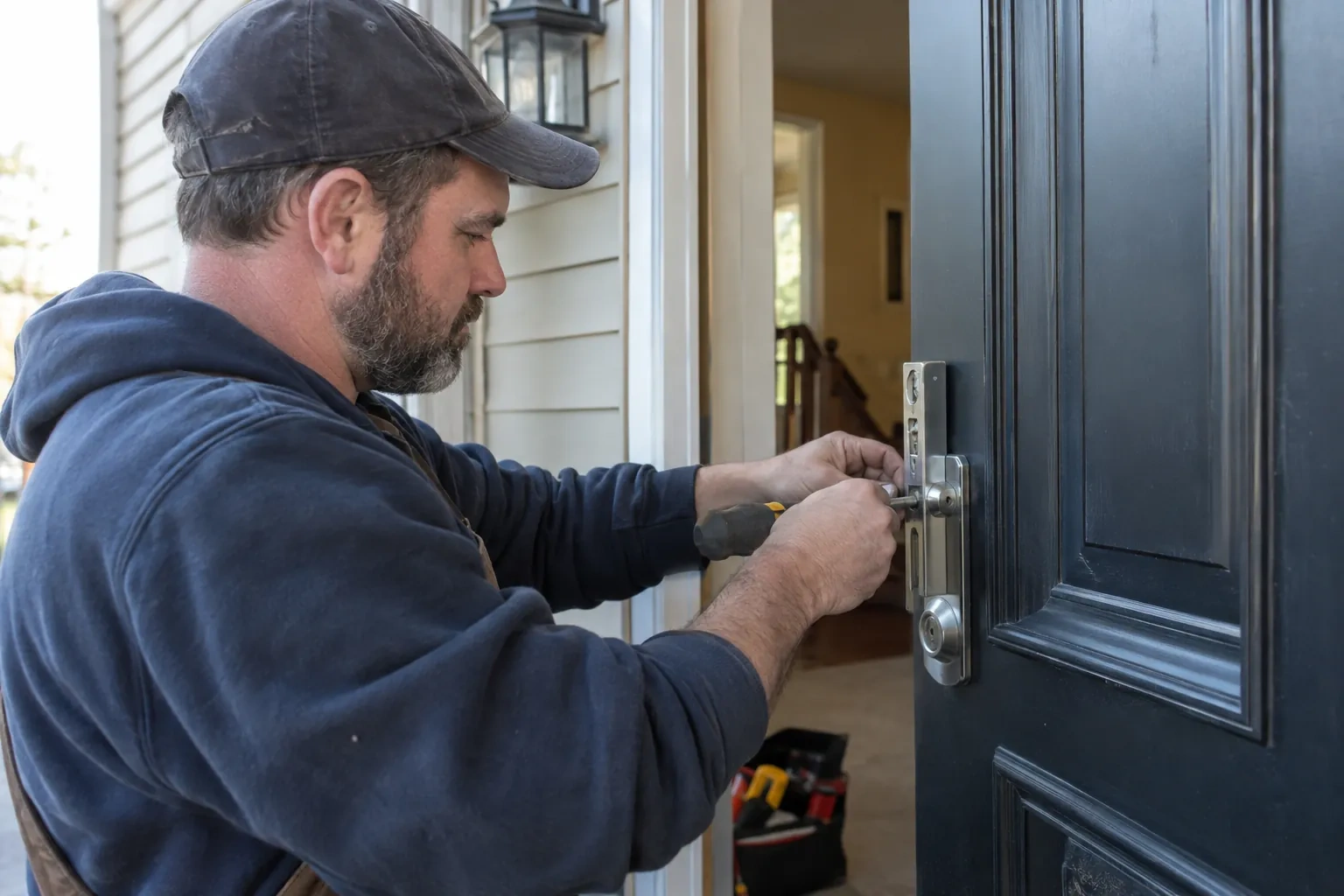
Where a home lockout is mostly about getting one door open again, a commercial lock replacement is mostly a decision about a system: how this one door's hardware fits into every other lock the business already manages. The locksmith examines the existing keying, whether cylinders are standard, interchangeable-core or restricted, and whether other doors should be keyed the same way as this one. New hardware is chosen to match the door's fire rating and occupant load where those apply, installed without altering the door's existing prep, and finished with keys cut, tested and recorded in the business's own key-control log.
How the visit goesAn inspection report flagged the rear exit as needing hardware that opens with one motion and no key, and that door currently has an ordinary keyed knob on the inside.
Commercial-Grade Lock Replacement
How the visit goes
Checking how the current lock fits the business's key system
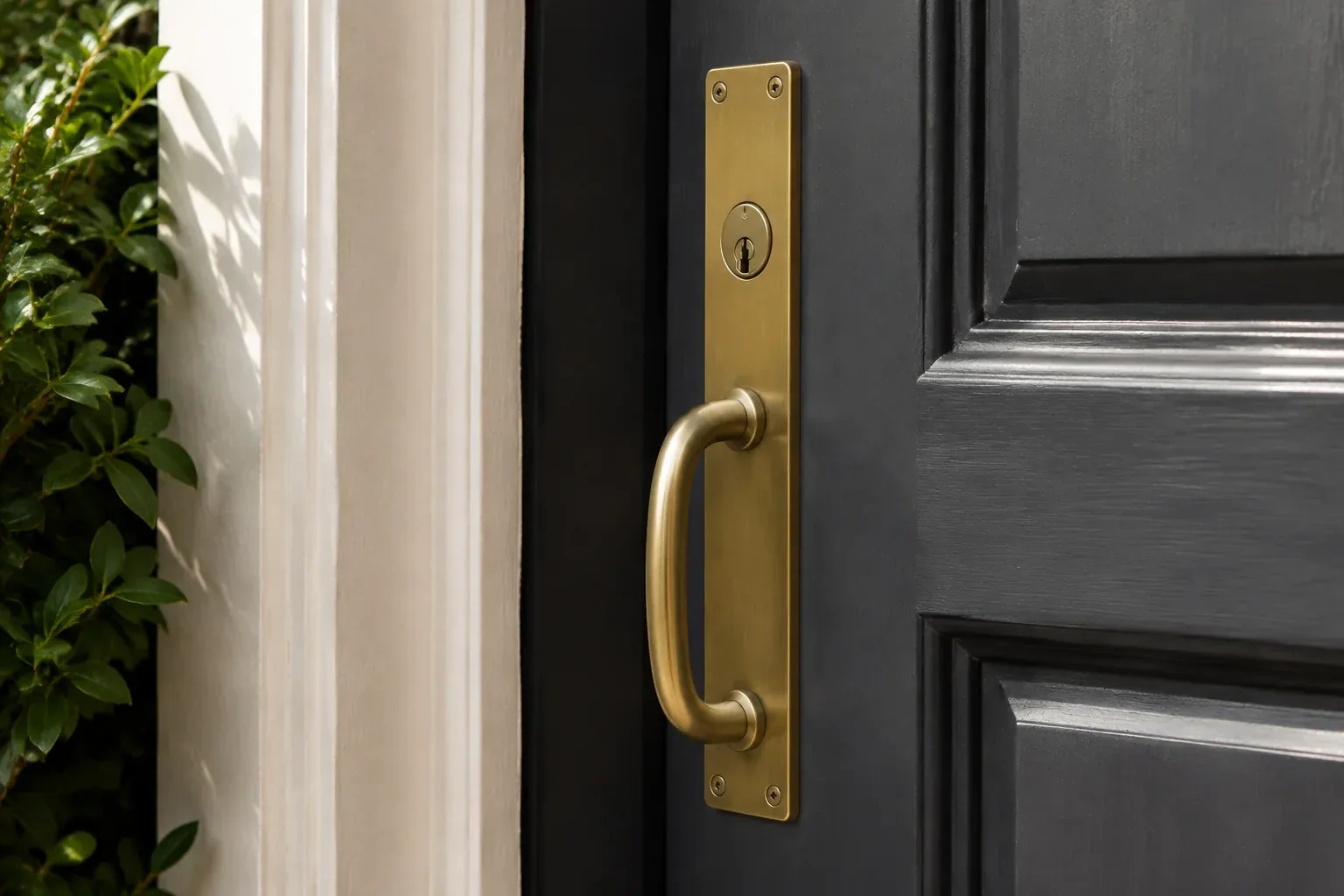
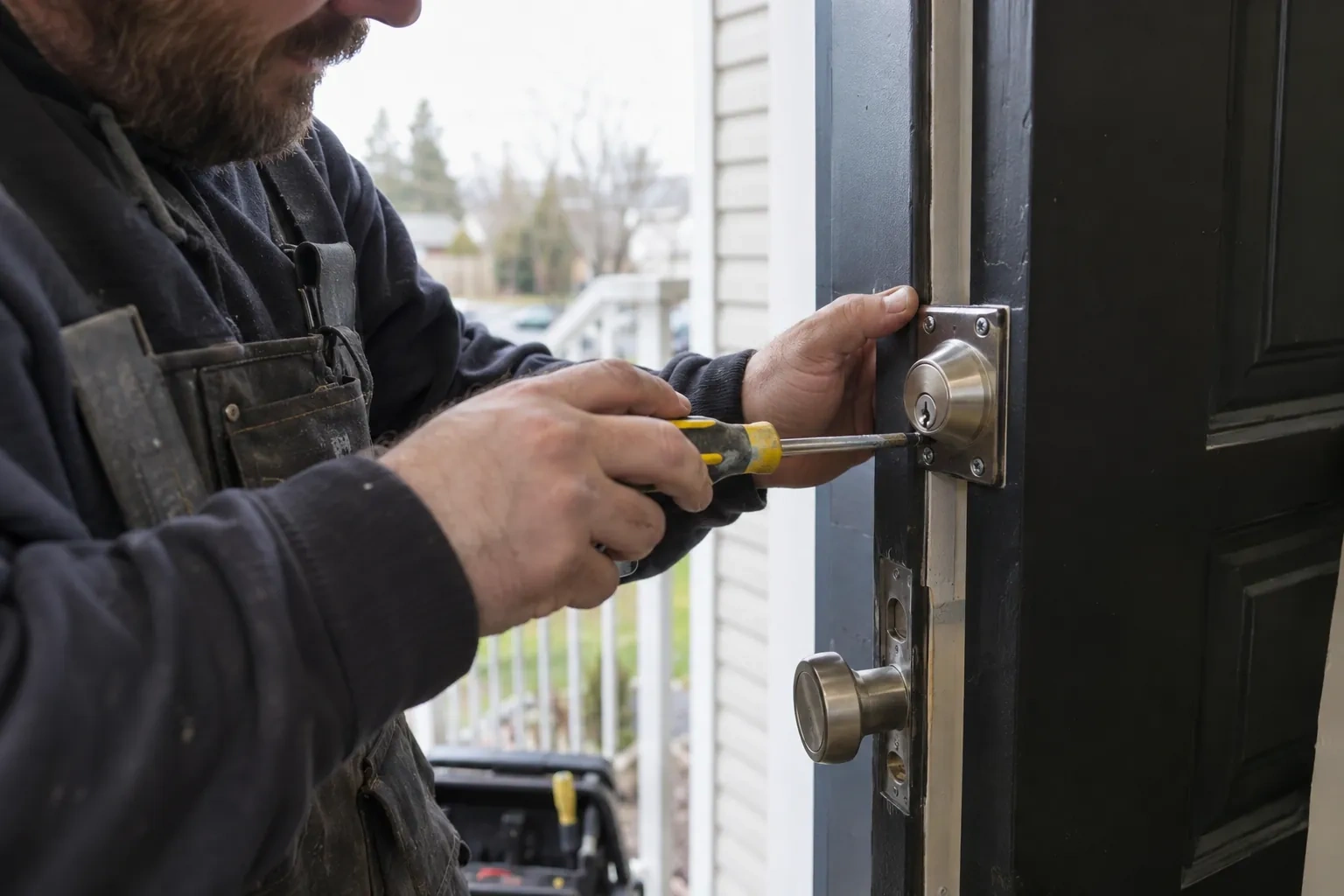
Every commercial building runs some kind of keying logic, even an informal one, and the locksmith maps it before touching hardware: is this cylinder on the same key as other doors, does it belong to a master or grand-master system, is it a standard keyway or a restricted one that only a specific supplier can cut? Getting this picture first means the new hardware can be ordered to slot into that structure, onto a fresh structure the business wants instead, or left standing alone if that is genuinely what is wanted.
Matching the cylinder to the business's key system
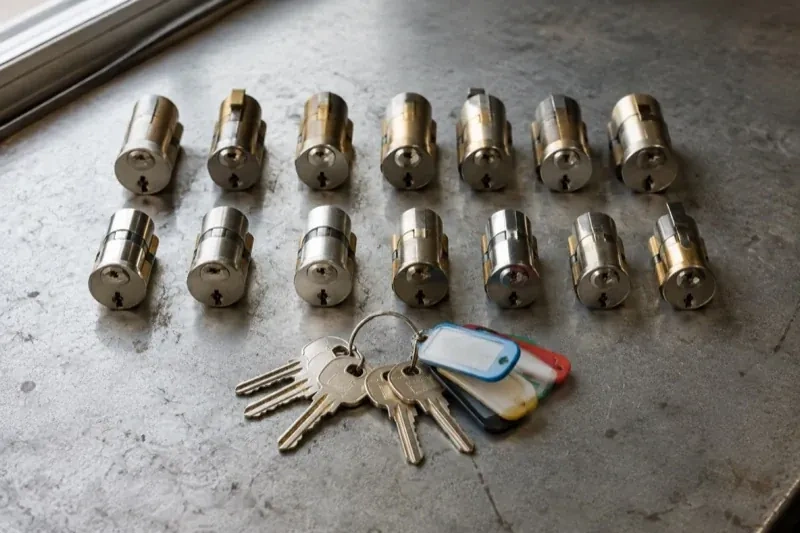
The cylinder installed is the one agreed during the assessment: keyed into an existing master or grand-master system, set up as a new interchangeable core the business can rekey itself later, or cut to a restricted keyway that limits who can order duplicate keys. Where several doors are being brought onto one system in the same visit, cylinders are combinated so a single key or a defined set of keys operates every door that is supposed to share access.
Fire and exit requirements satisfied, not just noted
Where the door forms part of a fire separation or a required exit route, the new hardware is listed for that use and the door has been tested to confirm it still closes and latches on its own. Any push-type release hardware installed to meet an occupant-load threshold has been checked across the whole route it serves, not just at the one door where the call started. The business leaves with an opening that satisfies the condition that triggered the work, rather than a lock that merely looks similar to what was there before.
Commercial-Grade Lock Replacement
In the van
Mortise prep and installation tools
Narrow-stile storefront lock
Interchangeable-core cylinder
Electric strike
Strike plates and keepers
Commercial-Grade Lock Replacement
What affects the quote
Removal of old hardware
Whether old locks, cylinders and strikes are left with the business, disposed of, or kept as spares for a wider system is a small choice that can affect the time and scope named in the quote.
Coordination with other trades or systems
Where a door closer, an alarm panel or a building-wide access-control platform is involved, coordinating the lock replacement with whoever manages those systems can add planning time that the quote reflects.
Timing relative to a lease or renovation
Work scheduled around a tenant turnover, a renovation, or a building-wide upgrade across several units can be planned and quoted as a coordinated project rather than a series of separate calls.
What to have ready
- What is currently installed: a knob, a deadbolt, a mortise lock, or an exit device?
- Who can authorize the work and sign for new keys?
- Roughly how many times a day does this door open?
Commercial-Grade Lock Replacement: questions
QuestionsHow long does commercial-grade lock hardware typically last under heavy use?
It depends heavily on cycle count and how the door is treated day to day, but hardware graded for commercial duty is built to outlast the internal wear that sinks a residential lock on the same door. A delivery door opened hundreds of times a shift will still wear its hardware faster than a quiet office entrance, so grade and use should be matched from the start rather than assumed.
Can a tenant request commercial lock replacement, or does it have to go through the landlord?
This depends on the lease and on which doors are involved. A tenant can generally arrange work on hardware inside their own leased space, while entry doors, shared corridors and building-wide systems usually involve the property manager or landlord, since a change there can affect other tenants' access as well. Confirming this before the visit avoids hardware being installed that has to be redone.
What is the difference between a mortise lock and a cylindrical lockset?
A mortise lock has its whole mechanism, latch, deadbolt and sometimes a separate handle function, built into one case that sits inside a pocket cut into the door's edge. A cylindrical lockset is a bored-in unit, simpler to service, common on standard commercial and residential doors alike. Which one your door takes depends on how it was originally prepped, not on preference alone.
Related services
- Master Key System DesignThe new wing was built with its own brand of cylinder, so the two-year-old keys from the original building do not open a single door in the addition.
- Access Control InstallationDeliveries arrive before anyone is scheduled to be there, which right now means either propping the loading dock open at dawn or handing a key to a driver you have never met.
- Panic & Exit HardwareSomeone at the front counter always has to unlock the side door by hand before the lunch rush, because the round doorknob out there was never meant to be an exit for a room this size.