Car keys · Richmond Hill
Car Lockout Service
You stepped out at the pump to pay inside, the passenger locked their door out of habit, and the driver's door caught behind you.
In plain words
Winter makes its own lockouts. Slush runs into a door cylinder by day and freezes solid by night; a door bonds to its rubber seal in a cold snap; a fob battery gives up on the first minus-twenty morning; and a weak car battery leaves the remote with nothing to talk to. A cold-weather lockout visit treats the car gently: de-icer and warmth instead of force on a frozen cylinder, a careful release of a door stuck to its seal, a fresh coin battery in the fob, and a jump for the car if needed, then silicone on the seals so the next freeze passes quietly.
How the visit goesYou pressed the fob at the office door and nothing happened. Pressed again, held it, walked closer. The car sits dark and silent, the fob lights up but the doors stay locked, and the mechanical key you have never used is somewhere at home.
Car Lockout Service
How the visit goes
Condition of the door, glass and seals
Before any tool goes near the car, the locksmith walks around it and looks. Is a window down a finger's width? Does a door have a dent or a lifted seal that changes how a wedge would sit? Has the paint been scratched or the glass chipped already? Is there a frameless window, which needs a gentler approach than a full frame? Existing damage is pointed out to you and noted so there is no question later about what was there before work began. A door that has already been prised by a bystander is treated with extra care, since a bent frame can hold moisture and whistle at speed afterwards.
Dead fob or dead car battery
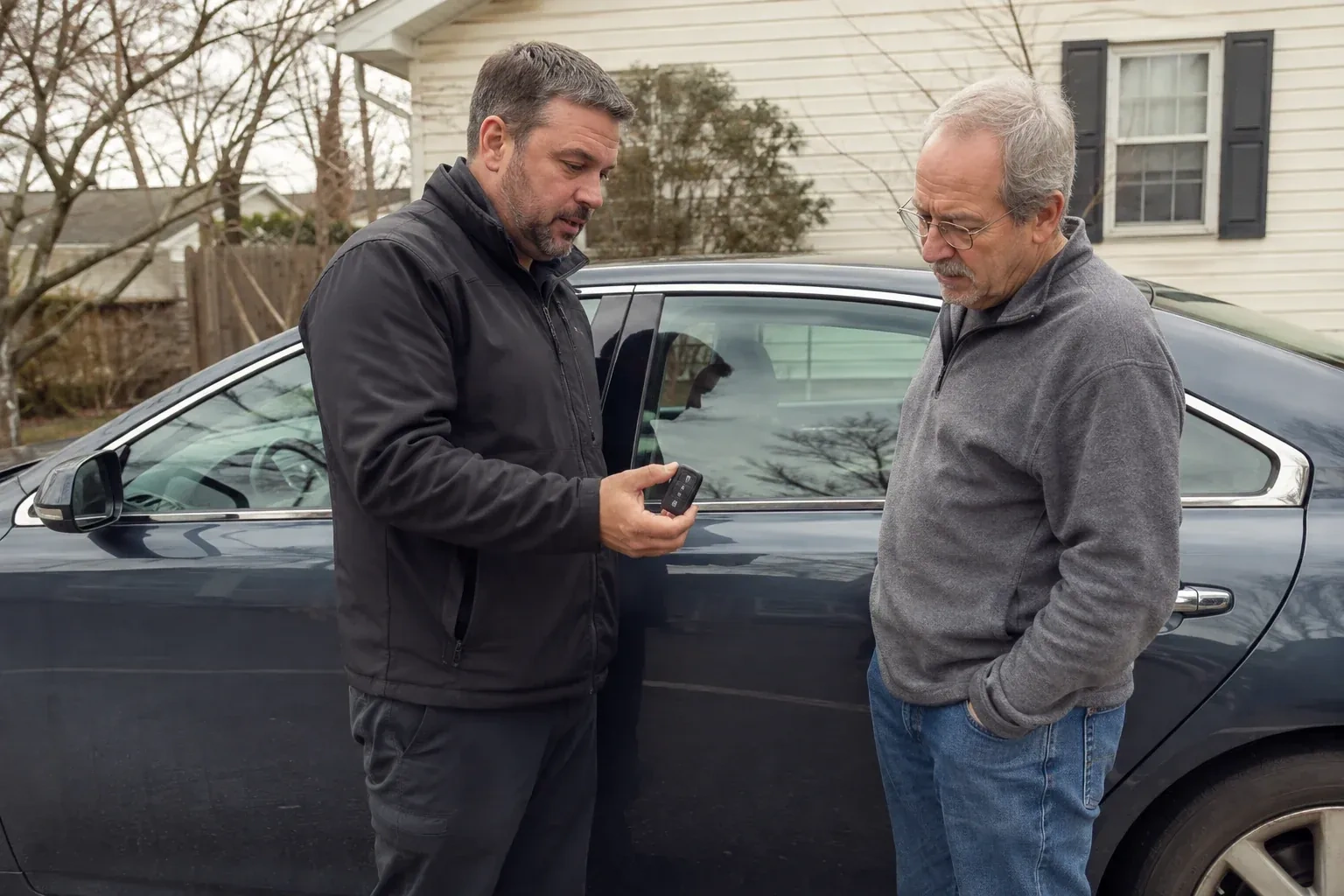
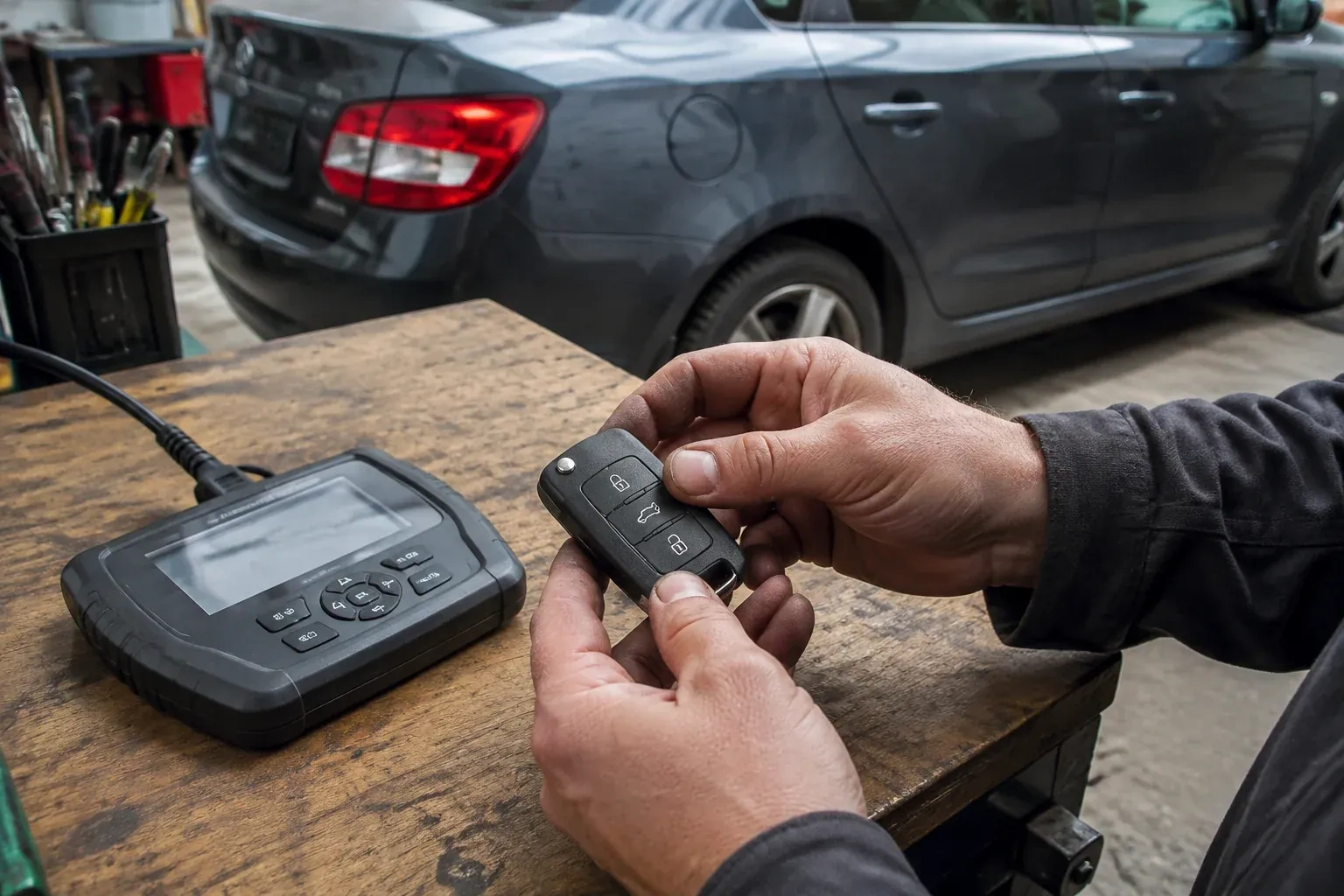
When a keyless car ignores its fob, the locksmith sorts out what failed. A fob that lights up but does nothing is checked, not assumed weak, since interference or fob damage look the same; once diagnosed, the vehicle's backup-entry method is used, often a mechanical blade in the driver's door cylinder, then a fresh battery. A car whose interior lights and horn are also dead has a flat twelve-volt battery, so the door is opened mechanically and a jump pack brings it back so the fob is read. Most push-button cars have a spot, on the start button or in the console, where a dead fob is held so the engine starts; the locksmith shows you where it is.
Fob battery fresh and the backup understood
If the fob was the cause, it leaves with a new coin cell of the right size, and you leave knowing two things most owners never learn until they need them. First, the vehicle's actual backup-entry method: on many models a mechanical blade hidden inside the fob and the door cylinder it fits, sometimes under a cap on the handle, though some vehicles use a key card, NFC or another method instead. Second, where to hold a dead fob so a push-button car still starts, usually against the start button or in a marked console pocket. The locksmith shows both on your car, and that knowledge makes the next dead battery a short pause rather than a call.
Car Lockout Service
In the van
Padded long-reach tool
Twelve-volt jump pack
Fob coin batteries
Silicone spray for door seals
Automotive pick and decoder
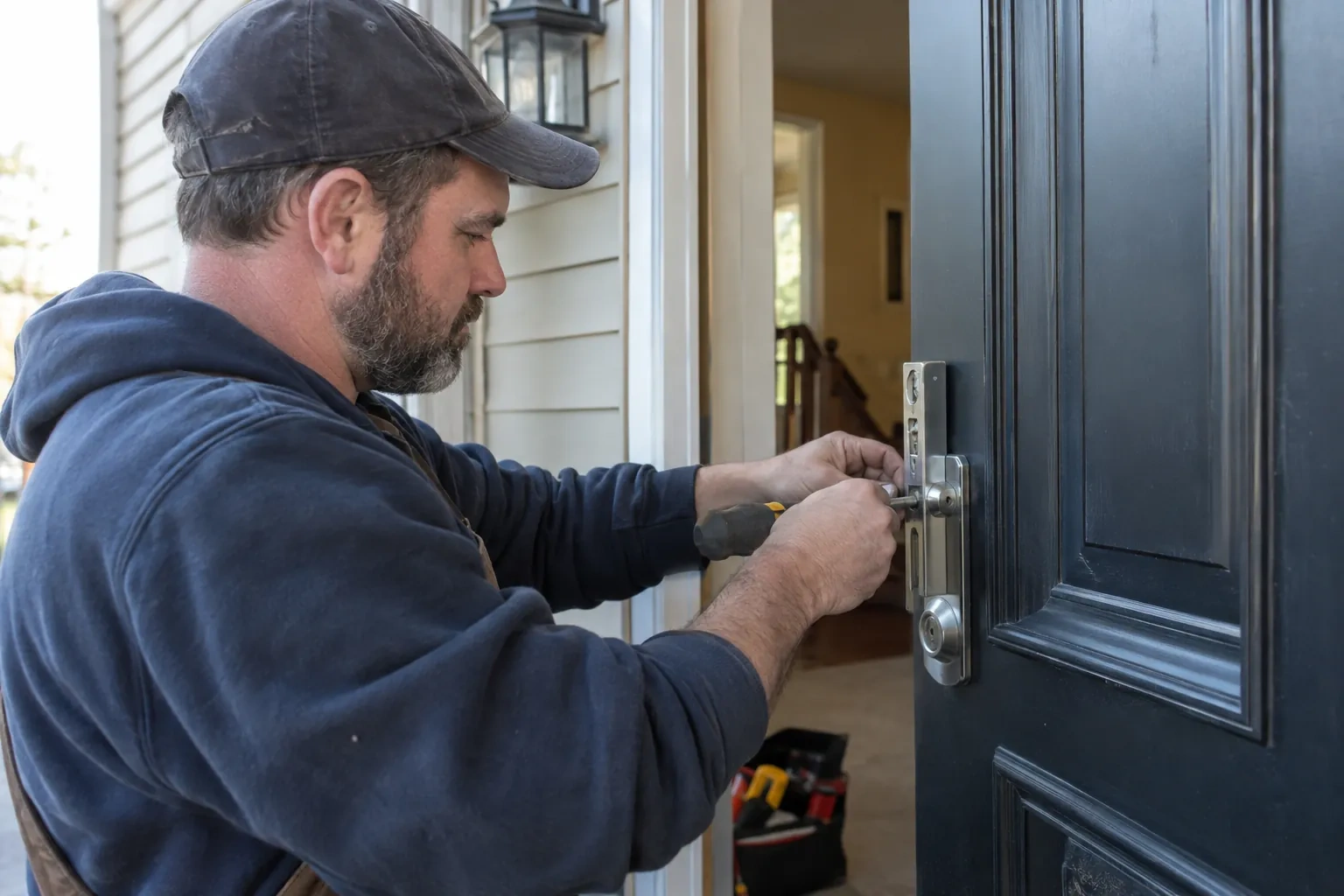
Car Lockout Service
What affects the quote
Make, model and year of the vehicle
A common sedan with exposed door cylinders and a luxury car with hidden cylinders and layered electronics call for different tools and different amounts of care, and the quote follows the vehicle.
Broken key extraction
Drawing a snapped blade out of a door or ignition cylinder before the opening, then cutting a fresh key from the pieces or the code, is quoted as work in addition to the entry.
Programming through the diagnostic port
Pairing a new key or fob to the immobiliser is skilled work with specialised equipment, and some models need security access from the manufacturer. That step is quoted separately from cutting the blade.
What to have ready
- If the keys are lost, do you want a replacement key made in the same visit?
- Has anyone already tried to open the car with a tool or a hanger?
- Where are the keys right now: inside, in the trunk, lost, broken or in a fob that has stopped working?
Car Lockout Service: questions
QuestionsThere is a dog inside and the car is getting hot. Who do I call?
Call 911, and the provincial animal protection line if you cannot reach the owner; the province asks the public to report animals left in hot or cold vehicles rather than break glass themselves. Police and animal welfare inspectors have authority to enter a vehicle for an animal in distress. A locksmith can attend as well, and if you are the owner, the same careful opening gets you and the dog reunited with the car undamaged.
What should I have ready when I call?
The make, model and year of the vehicle, the colour and plate if you can see it, exactly where the car is parked and how to reach it, and where the keys are: on the seat, in the trunk, lost, snapped, or in a fob that has gone quiet. Say whether anyone or any animal is inside, whether the car is a rental or a company vehicle, and whether your identification is on you or in the glovebox.
Is an older car easier or harder to open than a new one?
Different rather than easier. An older car usually has a cylinder in every door and simple linkages, so picking or decoding the lock is routine. A newer car may hide its cylinder, has doors full of electronics that call for wedge-and-reach rather than anything inside the door, and adds an immobiliser to any lost-key work. Either way the locksmith chooses the method by the model, not by guesswork.
Related services
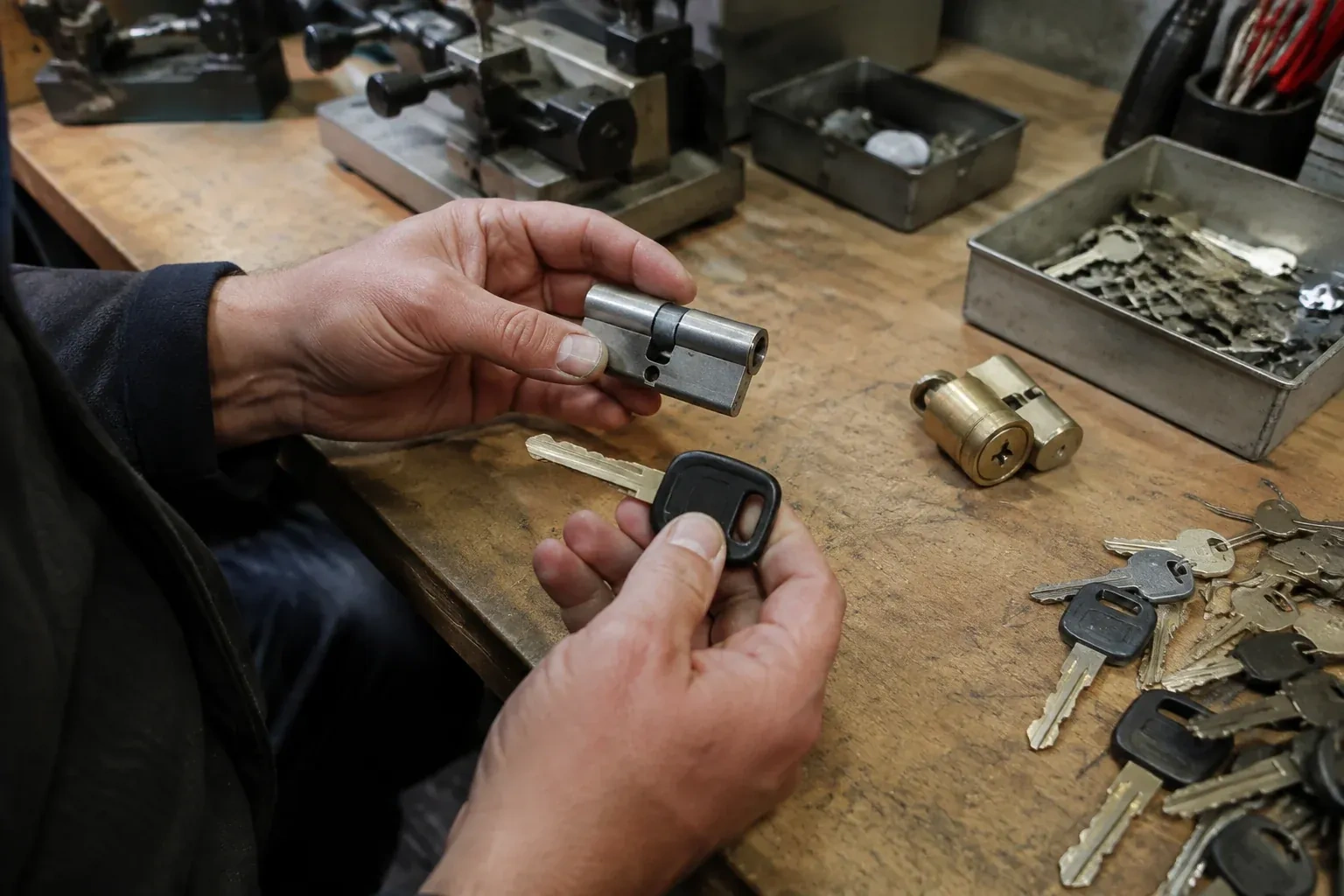
- Spare Car Key DuplicationA lockout last month ended with a locksmith opening the door and going home, and the same single key has been carried ever since with nothing behind it.
- Key Fob ProgrammingA new driver has joined the household, and the one existing fob is the only key anyone has ever had cut for this vehicle.
- Transponder Key ProgrammingThe car came with a single key when the sale went through, and that key is the only thing standing between the household and being stranded.