Locksmith in Yongehurst, OntarioCondo doorsand shared entrances
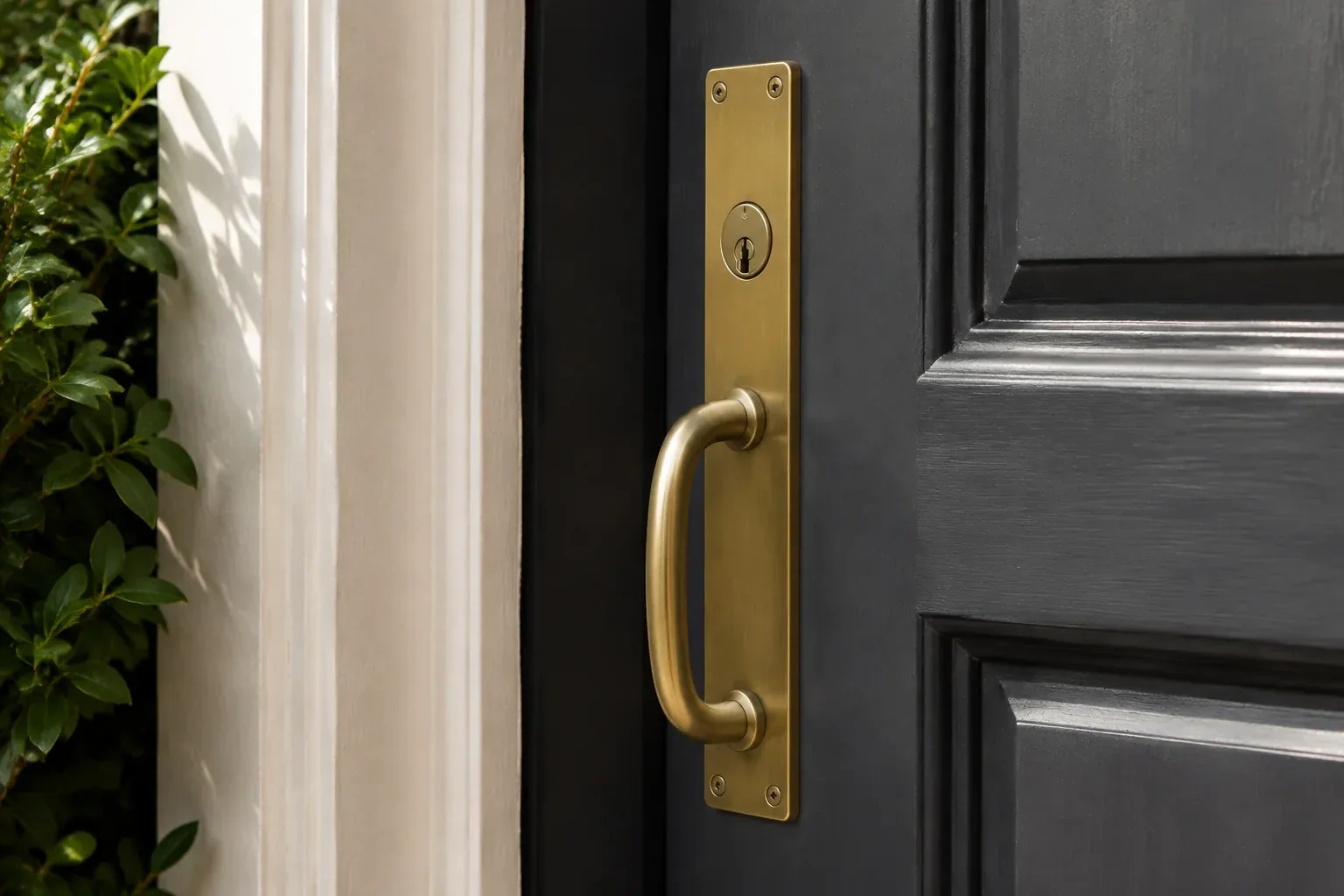
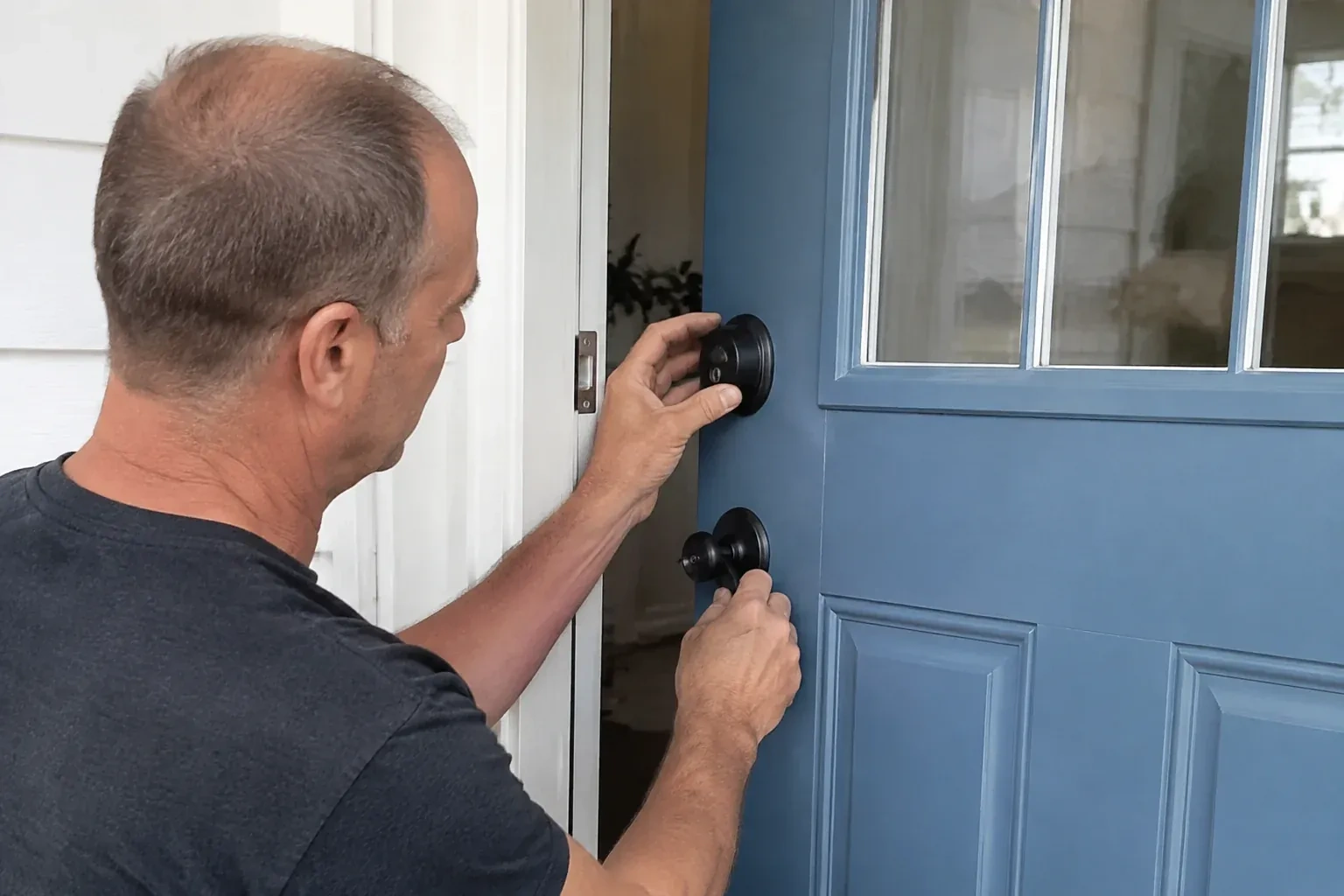
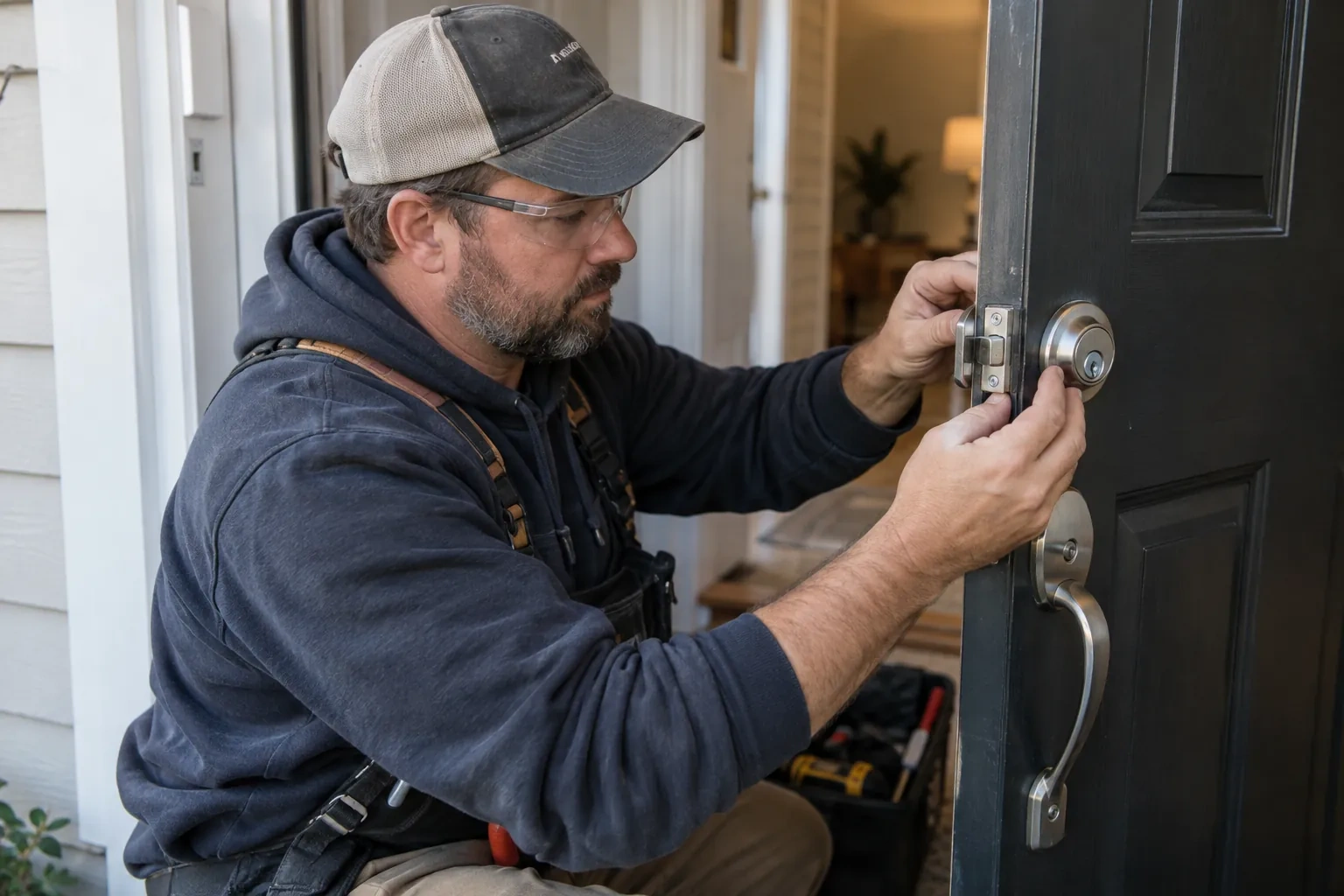
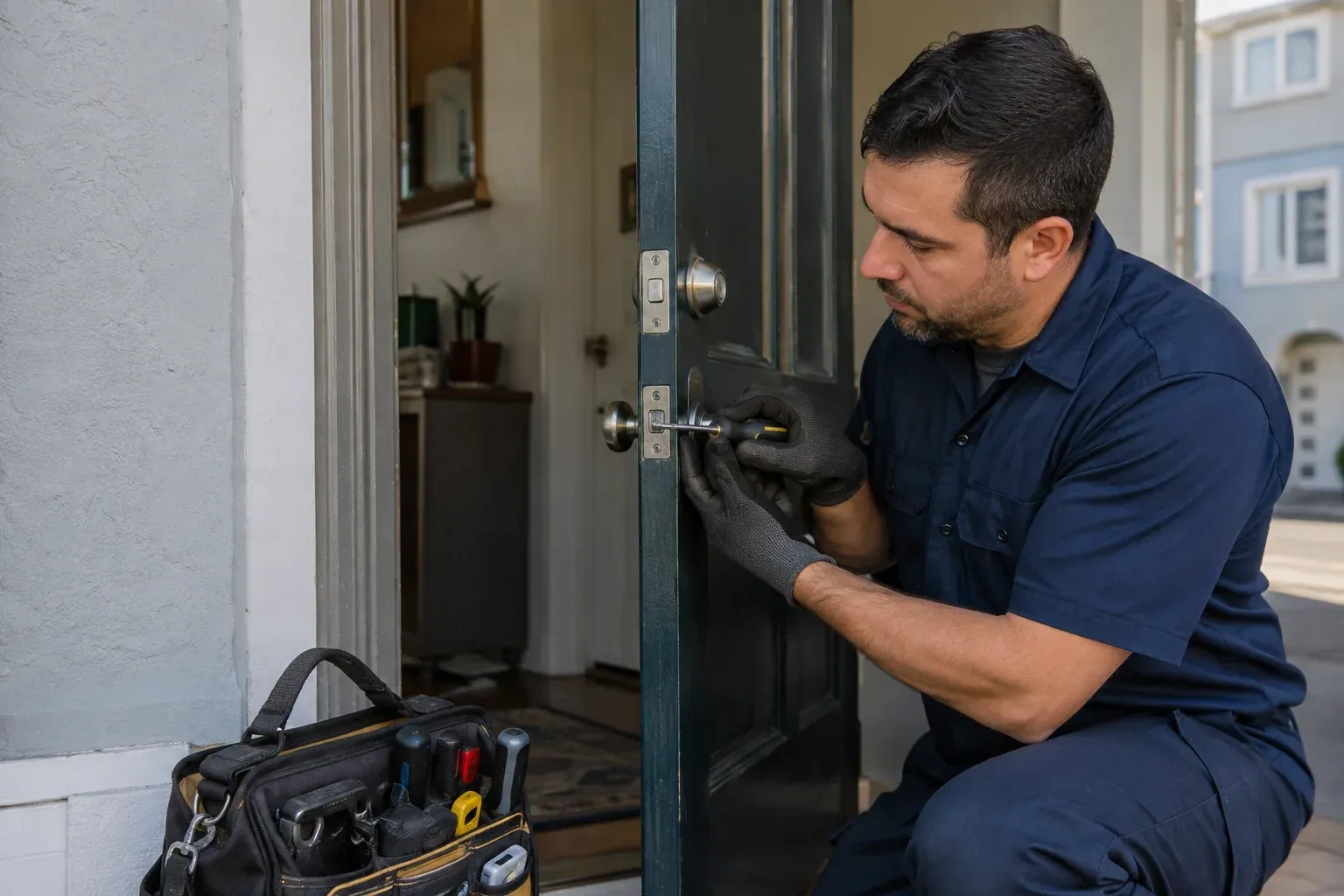
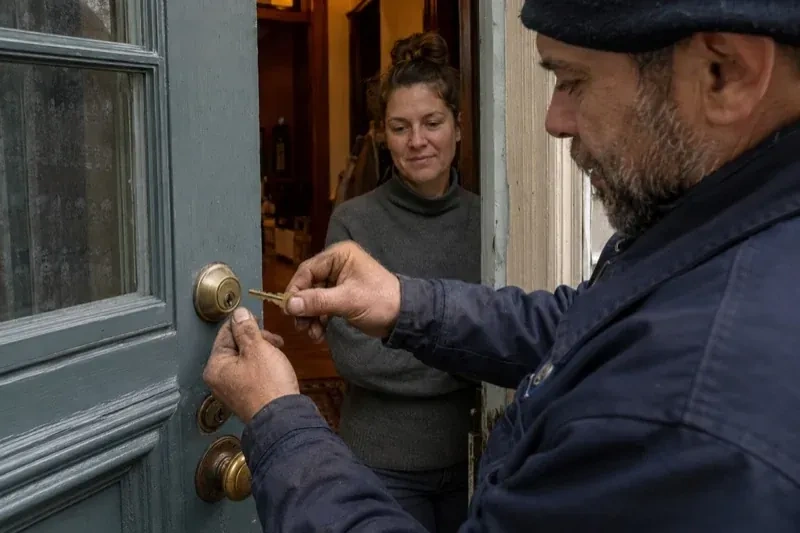
Living in a building in Yongehurst means two kinds of doors: the suite door you control and the common doors the building manages. We service both, working within house rules on the outer hardware and giving your own door a cylinder, strike and closer that suit how the unit is actually used.
Living in a building in Yongehurst means two kinds of doors: the suite door you control and the common doors the building manages. We service both, working within house rules on the outer hardware and giving your own door a cylinder, strike and closer that suit how the unit is actually used.
Residential, automotive and commercial locksmithing.
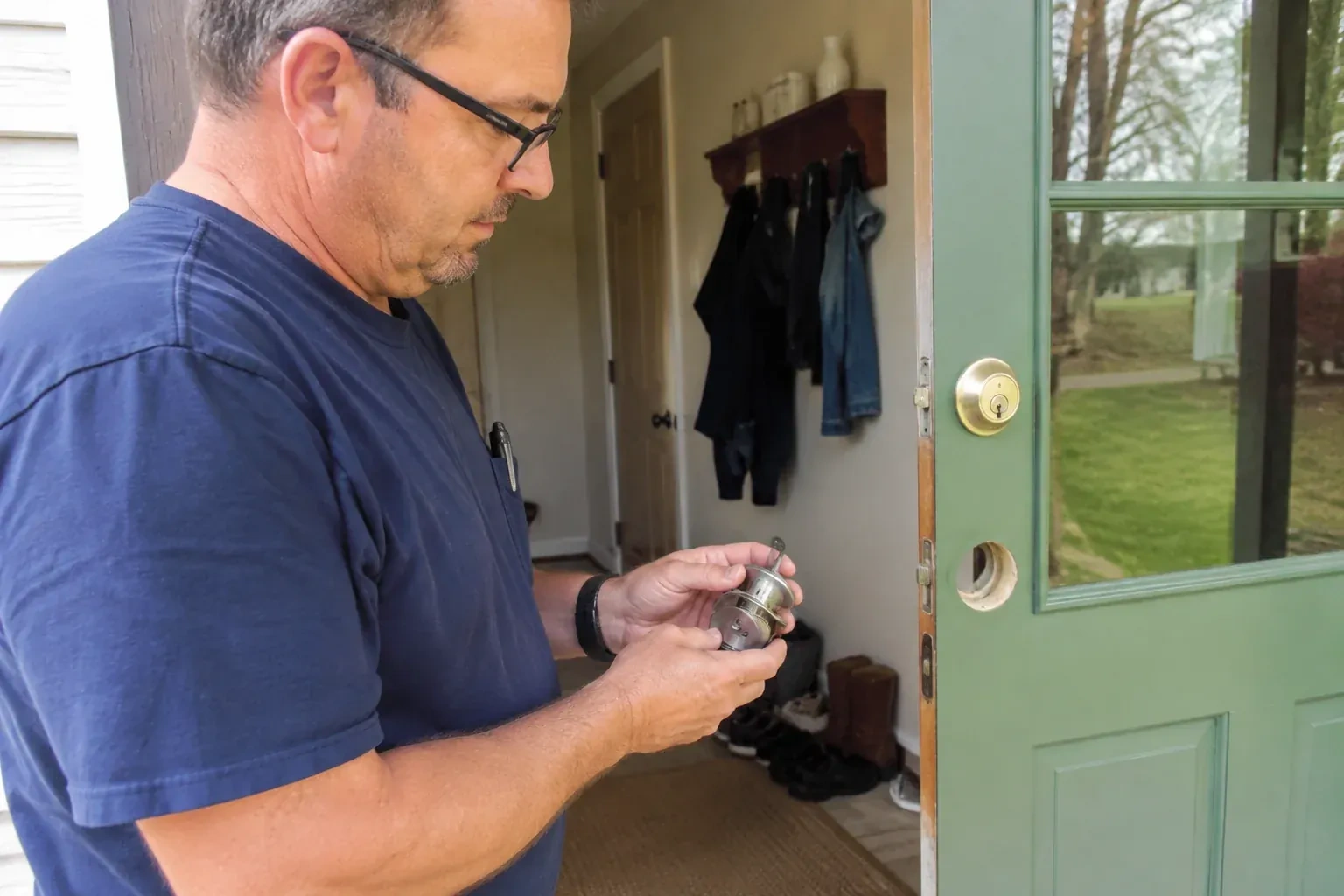
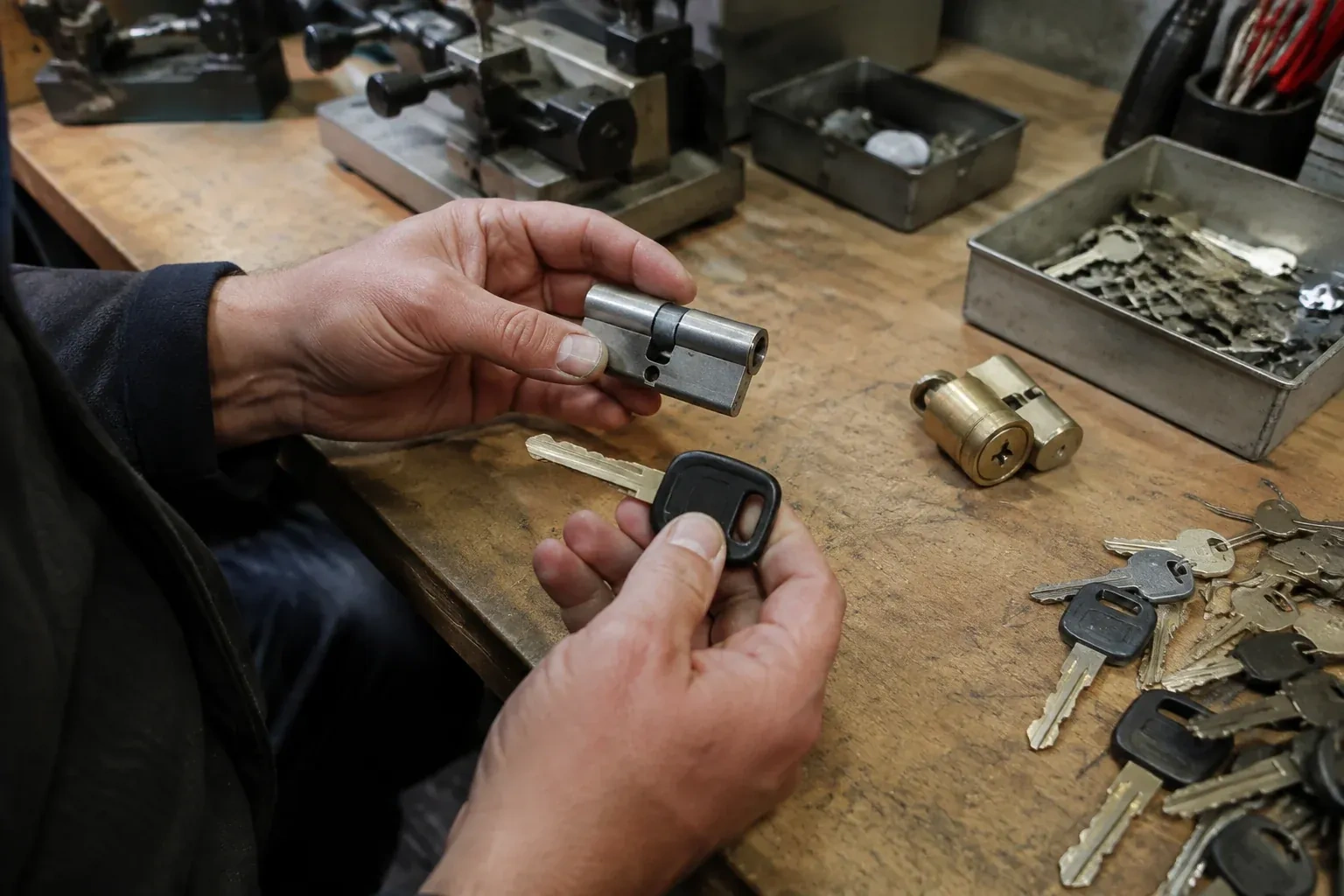
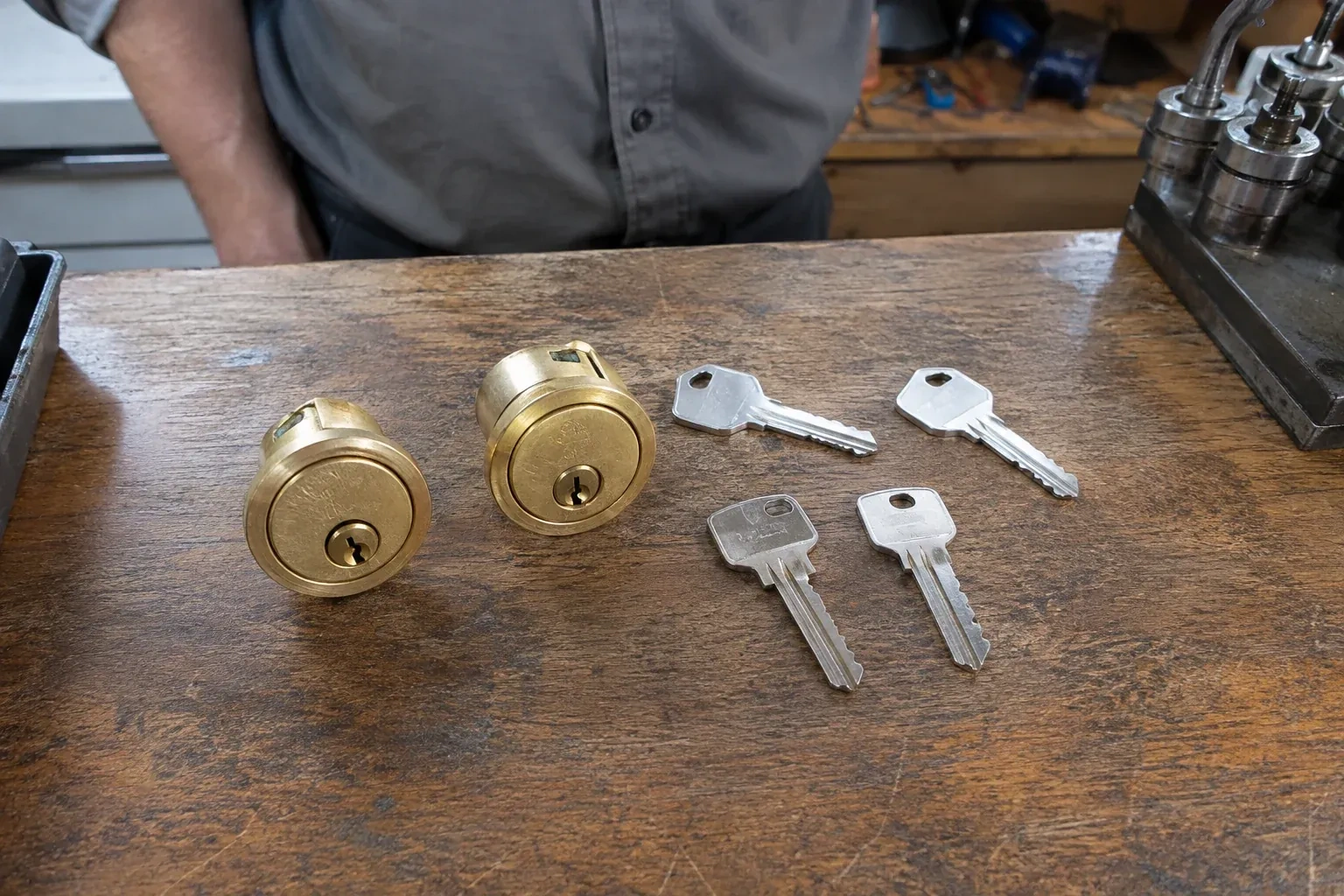
Households in Yongehurst often collect locks from different decades that all take different keys. We rekey them to a single key where the hardware allows, replace the one or two that cannot be matched, and set up a spare that lives somewhere sensible. You leave with a lighter ring and a clear idea of which key does what.
Winter in Yongehurst finds every weak lock. Cylinders freeze, doors swell and deadbolts stop lining up with the strike. We thaw and release frozen hardware without damage, adjust alignment so the door locks with one hand again and suggest lubricants and habits that help through the rest of the season. When spring comes, the same door often needs a small adjustment back.
28years in business
24/7open every day
Straight talk about your options. We describe what each choice does and what it asks of you in effort, disruption and future flexibility, so the decision is yours.
Work explained as it happens. If you want to watch, we tell you what each step is for. If you would rather make a coffee, we give you the summary at the end.
Tidiness as standard. A lock change should not leave a mess. We bring what we need to keep the door area clean and we leave it that way.
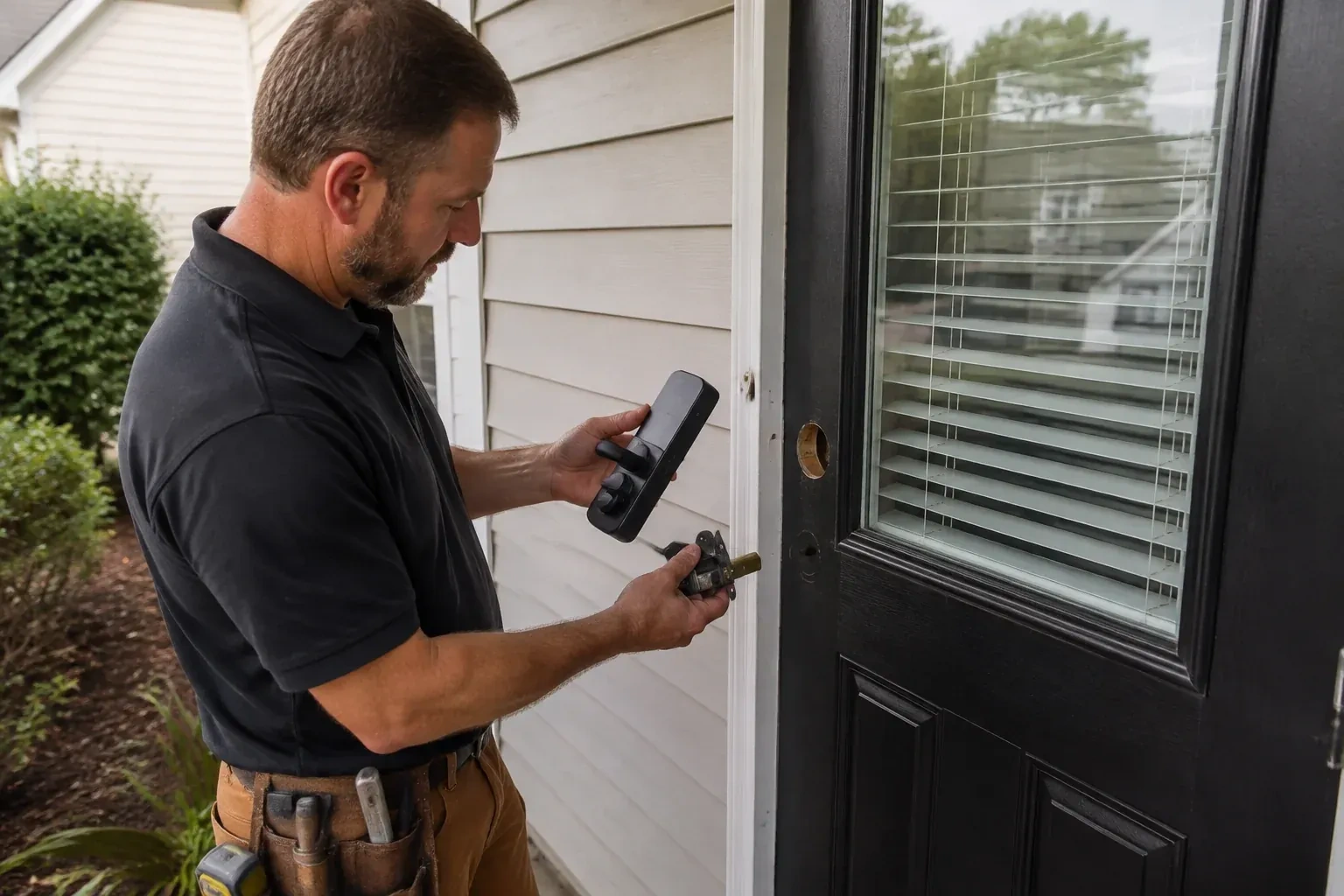
This is the working list of services for Yongehurst: the jobs a locksmith gets asked to do week in and week out. Lockouts and broken keys. Rekeys and lock changes. Deadbolts, high-security cylinders and smart locks. Commercial hardware and master key systems. Safe opening. And key cutting, house and vehicle alike.
About 15% of homes in Richmond Hill were built in 1980 or earlier, according to the 2021 Census.
Newer homes
Where most homes are recent, the doors themselves are sound and the work is mostly about keys and control: who holds them, whether contractor keys were retired, and whether one key can open everything. The visit is often more conversation than drilling.
Single-detached houses make up about 57% of homes in Richmond Hill (2021 Census).
Where the housing is mixed, expectations about what can be changed differ. A homeowner in a house decides everything; a condo owner works within house rules on the outer face. The locksmith knows which conversation to have at which door.
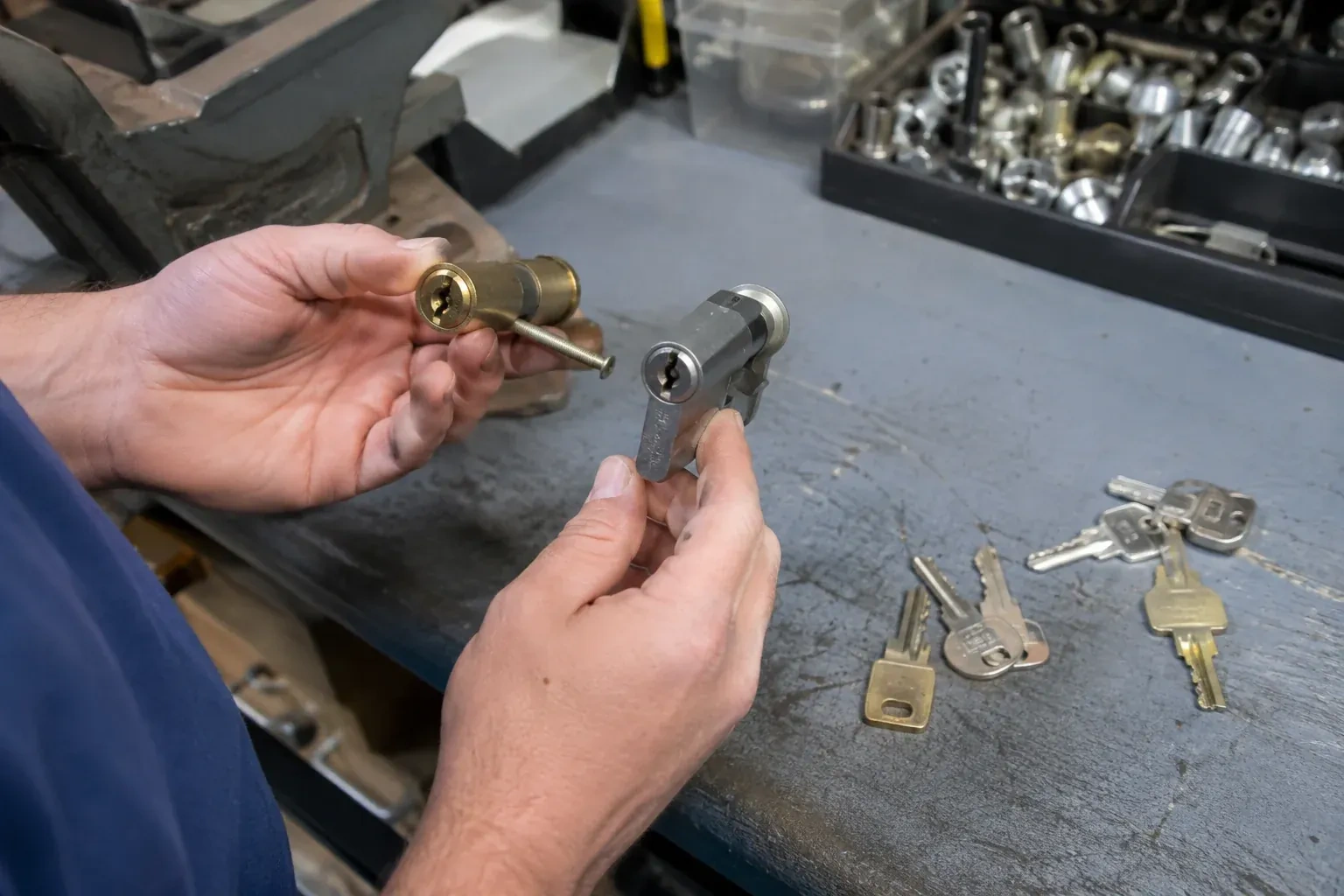
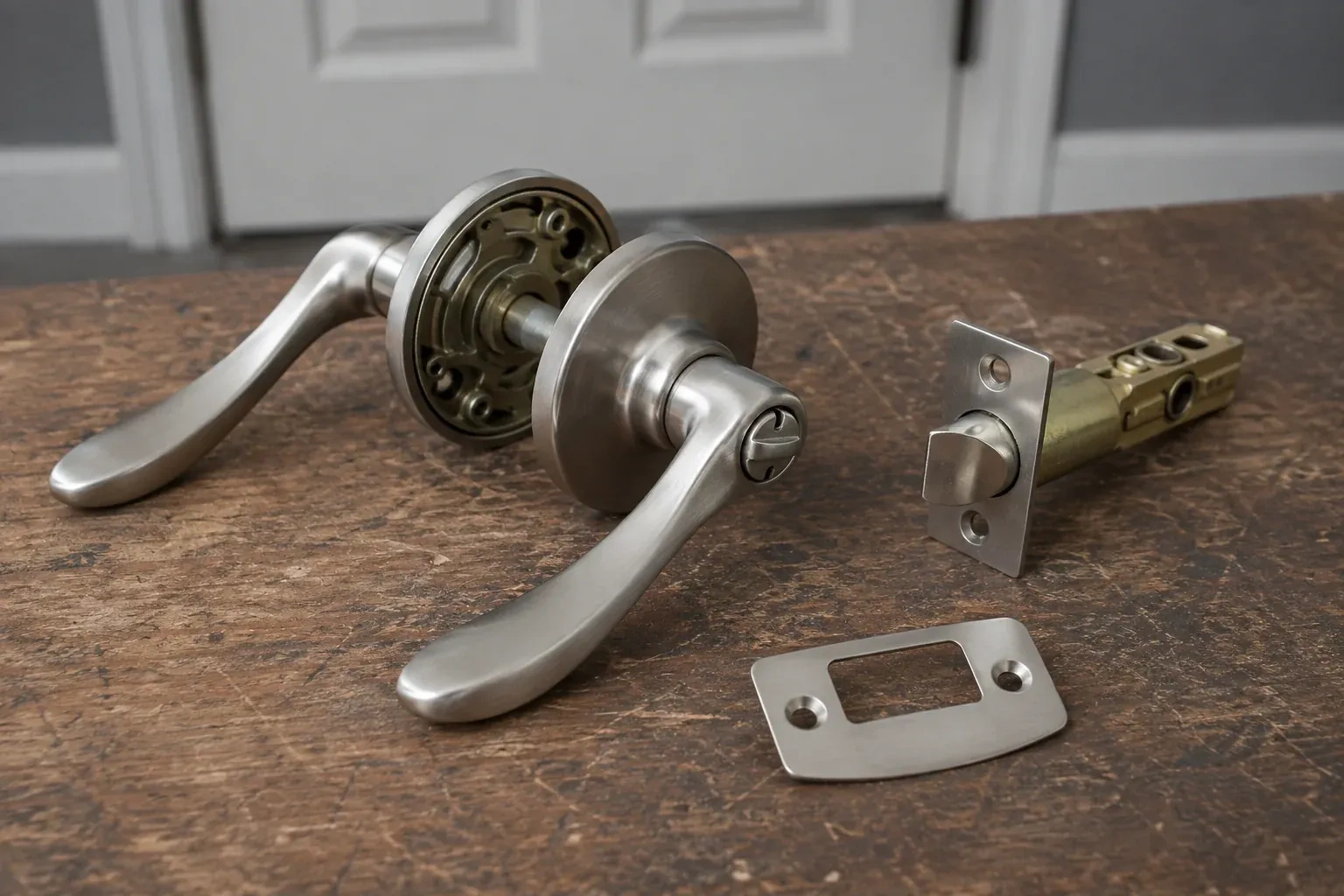
A high security cylinder uses extra locking elements, sidebars, finger pins or rotating discs, that a pick or a bump key cannot line up. Hardened inserts stop drills. The result is a lock that takes real time and skill to defeat rather than a moment.
A commercial key plan should survive the person who set it up. We leave a written schedule of which key opens which door and who holds what, so a new manager inherits a system rather than a mystery.
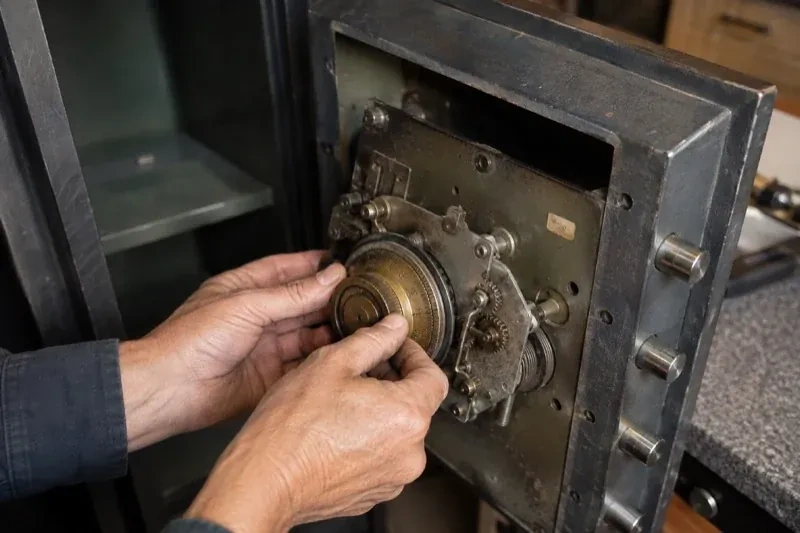
Decades of daily use have left the law firm's old dial safe drifting: the numbers line up close to where they should, never quite enough to drop the bolt.
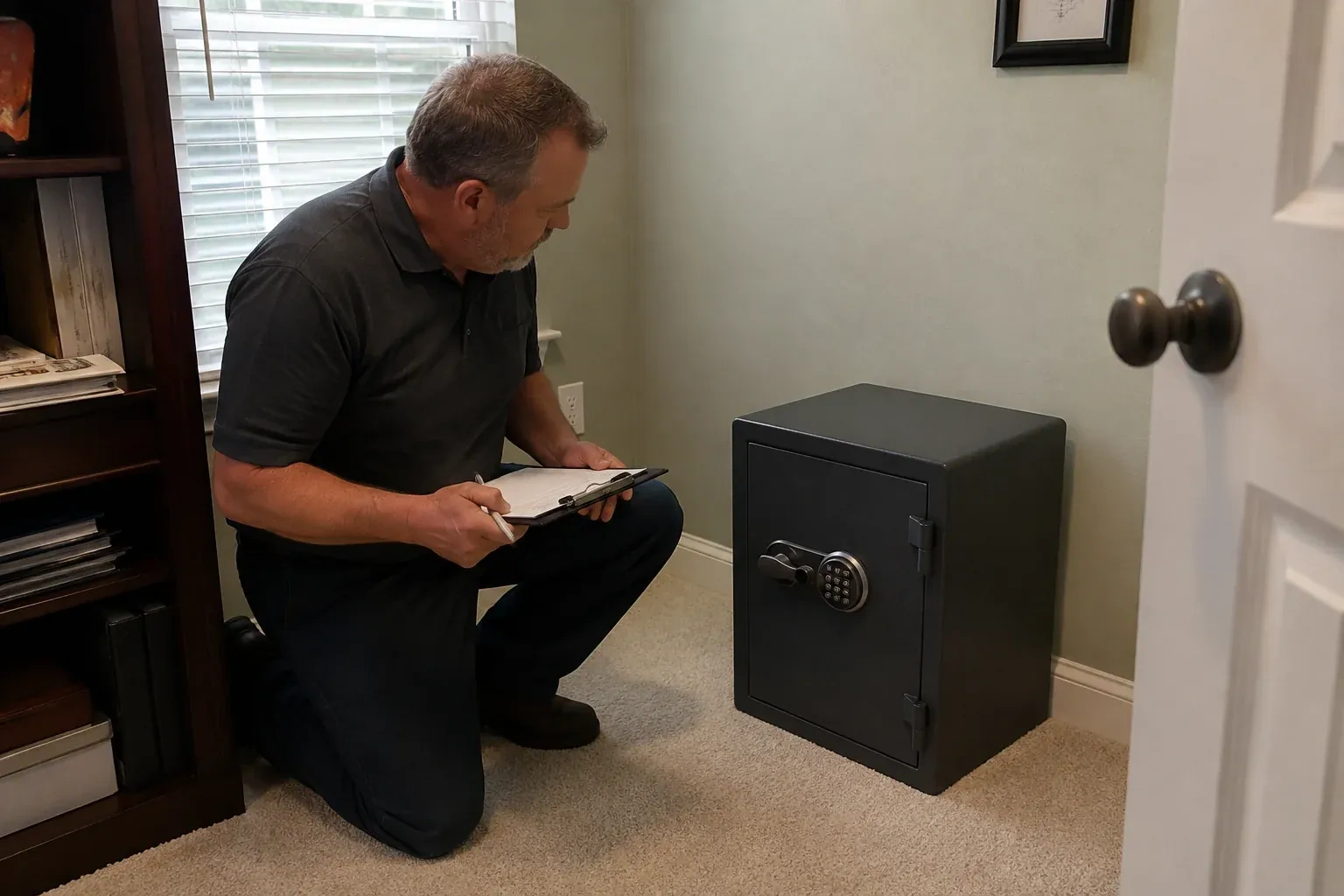
Behind the filing cabinets sits a heavy floor safe nobody ever bolted down, left exactly as the last owner set it. It opens fine, but a determined pair of hands could simply tip it into a van.
Which fix fits?
The apartment key snapped mid-turn, leaving the cylinder twisted halfway between locked and open.
WhyOccasionally a case really is finished, with a cracked body, a bolt worn to a sliver or a hub broken in two, and the answer is a replacement that respects the door.
The padlock on the side gate has gone stiff every winter for three years running, and this year the key simply will not turn past the first few pins.
WhySafe installation and servicing starts with a plain question: what needs protecting, and from what.
The paperwork for the used car changed hands last week, and the previous owner mentioned, almost as an afterthought, that a second key never turned up.
WhyA vehicle that arrives with only one working key is a common situation after a private sale or an estate transfer, and it is one of the more straightforward calls a locksmith takes.
It is a cold morning and the fob has to be pressed twice, sometimes three times, before the doors respond, and one week later it stops answering entirely.
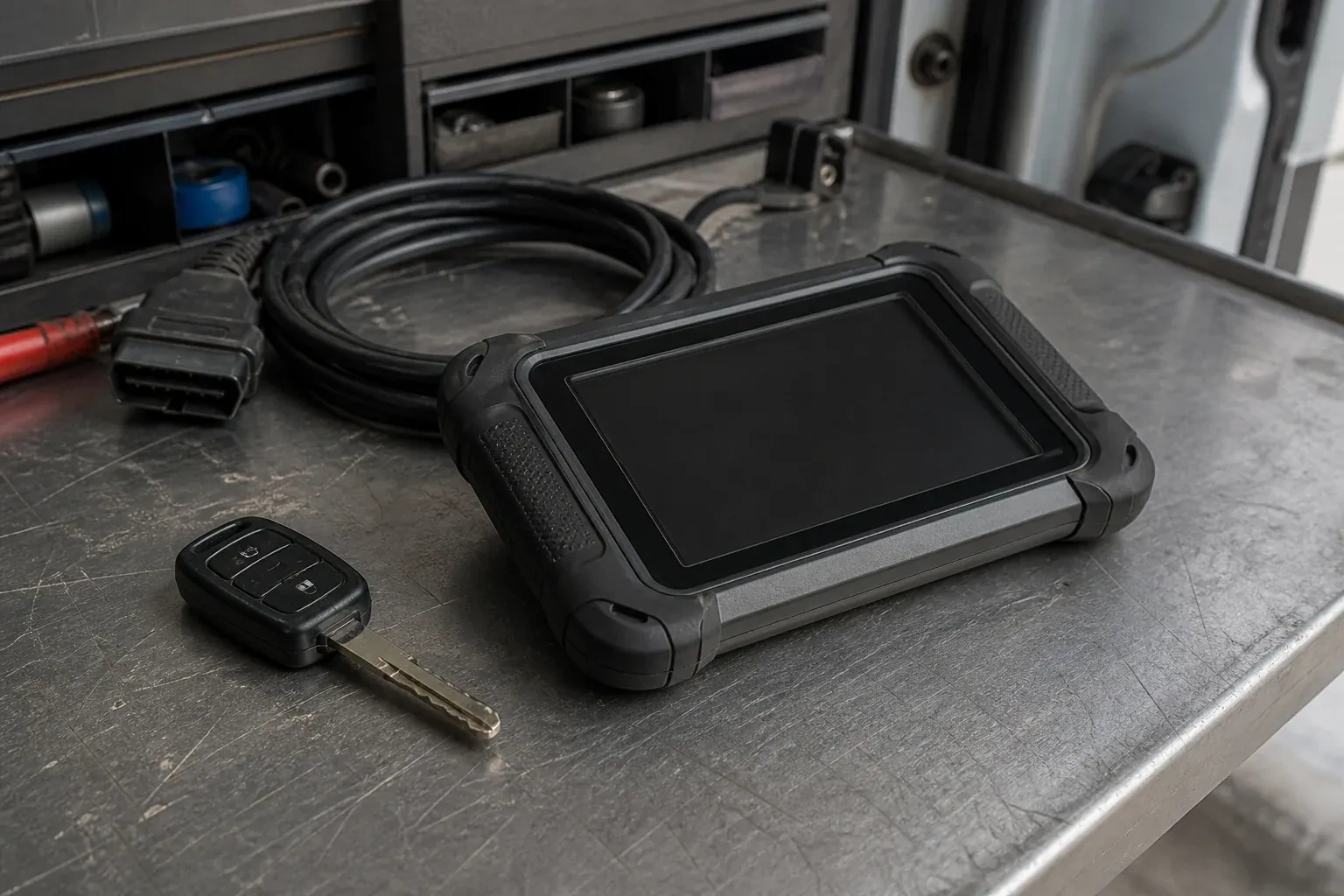
WhyA modern car key is often two systems living in one housing: the transponder, a chip with no battery of its own that only the immobilizer needs to see, and the fob, a battery-powered remote that handles locking, unlocking and alarm functions from a distance.
You dig through every jacket pocket and the tank bag twice, but the ignition key that always sits on the same ring is nowhere to be found.
The apartment key snapped mid-turn, leaving the cylinder twisted halfway between locked and open. The building manager's spare is somewhere across town and nobody else has a copy. You are on the wrong side of the door.
The shop's aluminum door has a bent meeting stile and the hookbolt is jammed half out. The alarm did its job and the display is untouched, but the entrance will not close properly and opening time is hours away.
The shop's lever handle goes down as usual, but the latch inside the mortise case never pulls back. Staff are waiting on the sidewalk with their coffees, the door is locked, and the handle is simply moving air.
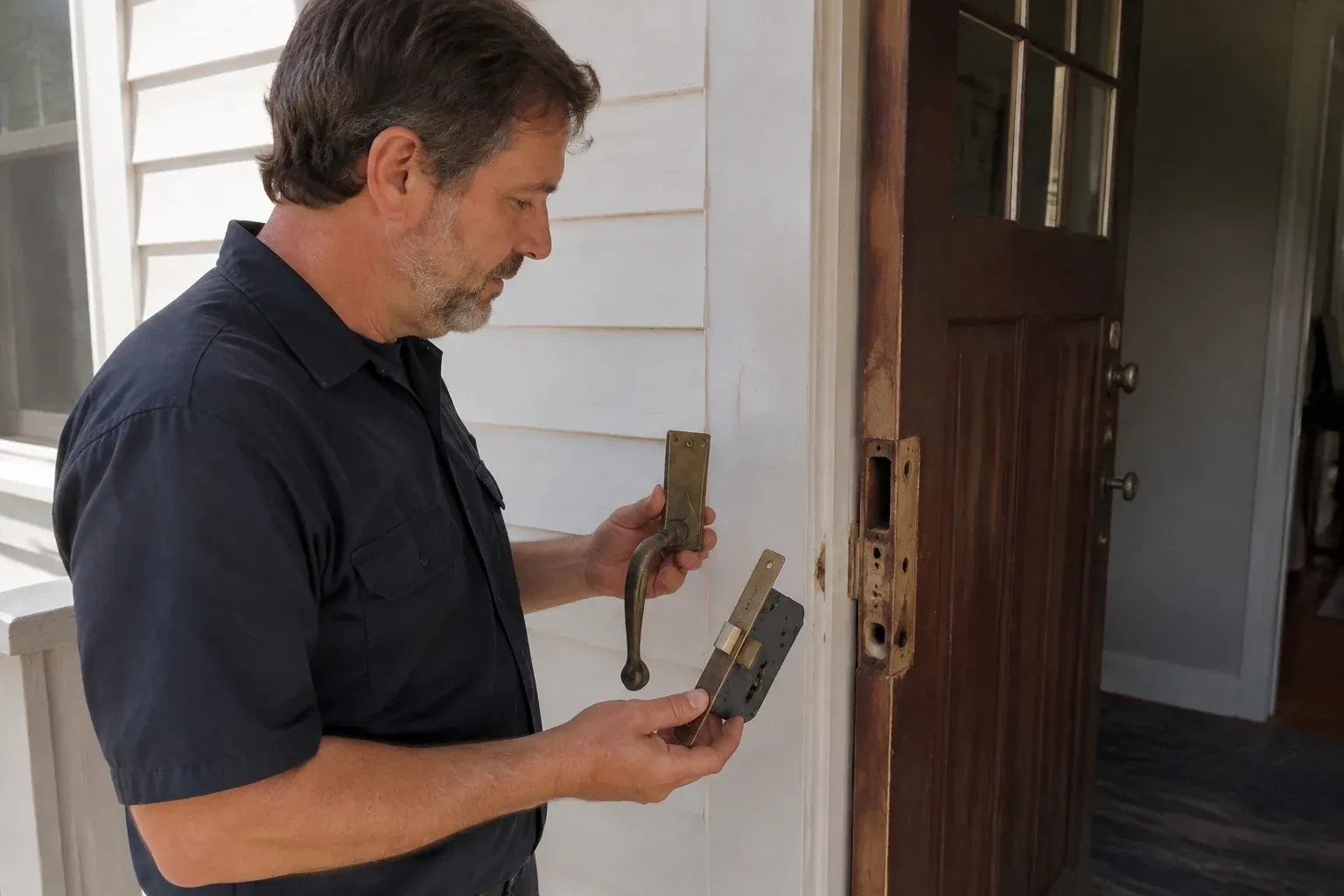
The brass knob on the front door of your century home turns, but nothing happens on the other side. The latch stays tucked in, the door swings free, and the only thing holding it shut is the deadbolt and a bit key that has worn down to a nub.
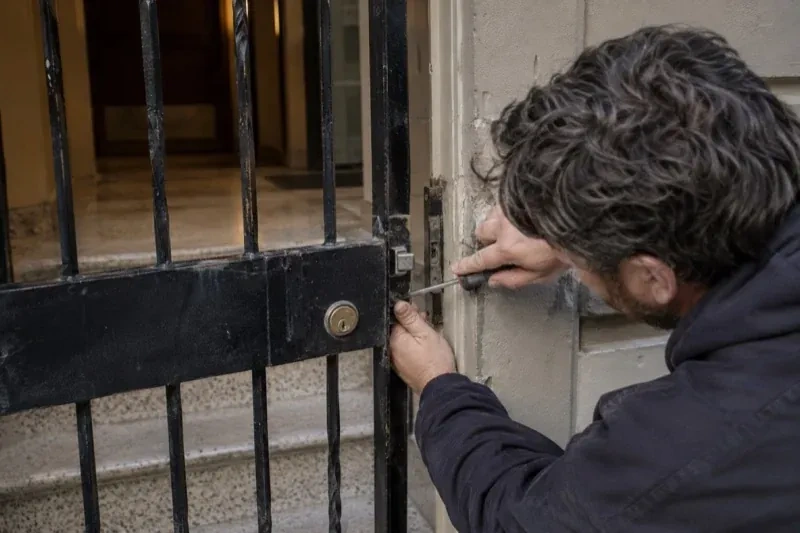
The padlock on the side gate has gone stiff every winter for three years running, and this year the key simply will not turn past the first few pins. Salt spray off the road and a season of meltwater have left the cylinder pitted and reluctant.
Behind the filing cabinets sits a heavy floor safe nobody ever bolted down, left exactly as the last owner set it. It opens fine, but a determined pair of hands could simply tip it into a van.
The paperwork for the used car changed hands last week, and the previous owner mentioned, almost as an afterthought, that a second key never turned up. One worn blade on a single ring is now the entire access system for the vehicle.
It is a cold morning and the fob has to be pressed twice, sometimes three times, before the doors respond, and one week later it stops answering entirely. The metal key still turns the lock by hand, but the dashboard security light stays lit through the whole drive.
You dig through every jacket pocket and the tank bag twice, but the ignition key that always sits on the same ring is nowhere to be found. The bike sits exactly where you parked it, and nothing in reach will turn that lock.
My key is a restricted or high-security type. Can it still be extracted and replaced?
Extraction is the same careful process; the keyway is usually narrower and the cuts more complex, so it takes longer. The replacement key is different: restricted blanks are cut only from the system's records, so have the authorization card that was supplied with the system to hand, or the locksmith who installed it is contacted. Until then the spare, if you have one, keeps the door working.
My condo entry door is a fire-rated door. Does that change the repair?
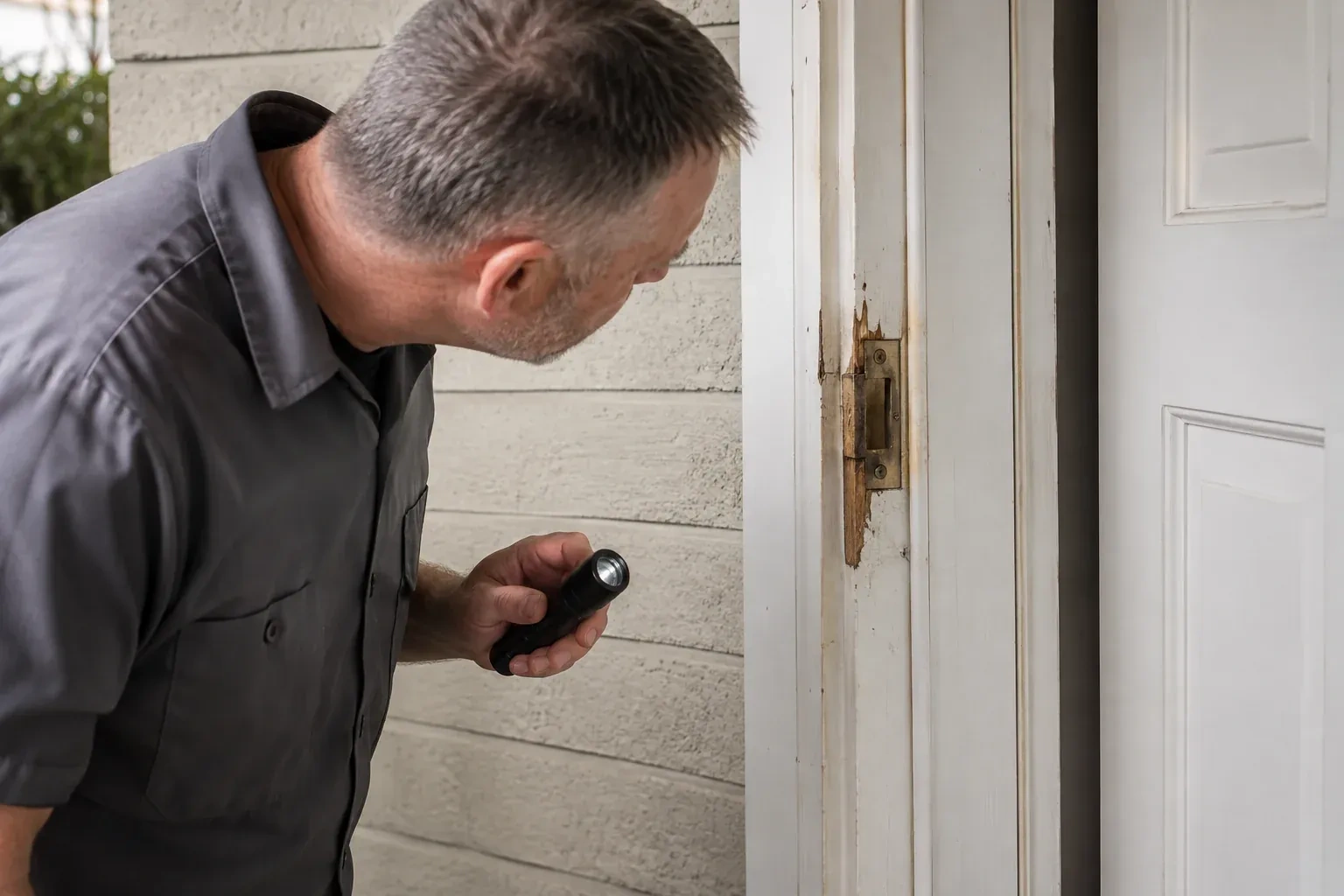
Yes, in a good way. A suite door that opens onto a corridor is meant to close and latch on its own every time, so the repair uses hardware suited to a labelled fire door, keeps the self-closing device adjusted and operating, and adds no holes or plates the label does not allow. The building's manager is normally involved, and the locksmith works with the door's rating rather than around it.
How do I stop this from happening again?
Three habits cover most of it. Lubricate the cylinder with a dry lock product twice a year and keep oils out of it. Check that the door locks with no pressure on it each spring and fall, snugging hinge and strike screws when it starts to drag. Keep a lock de-icer handy and fit a keyhole cover on exposed doors. And act on the first stiff turn, because a lock that still turns is a smaller job than one that has stopped.
Can the work be done with the lock left in the door?
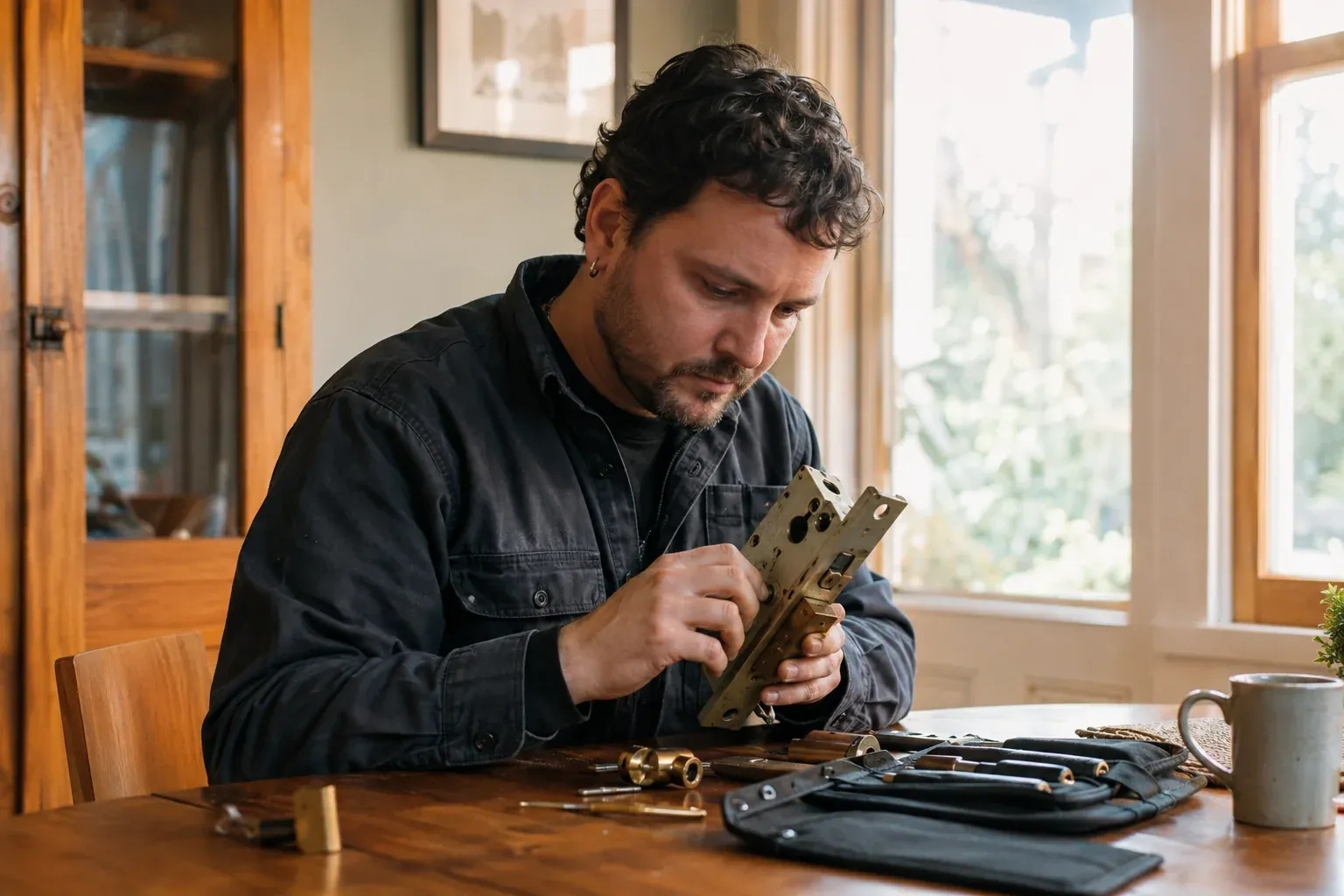
Rarely, and it is not the better route. Almost everything that fails is inside the case, and the case only opens once it is out of the pocket, which takes a few minutes and leaves no mark. Working through the keyhole with an unapproved or over-applied spray tends to wash out what little lubricant should stay and gums the levers later. Removing the case, cleaning it properly and refitting it is the repair that lasts.
How do you decide whether to repair a gate lock or replace it?
The decision follows what the assessment actually finds rather than the age of the hardware alone. A cylinder that is only stiff or slightly worn is usually serviced and left in place, while one that is pitted, cracked or built to a grade unsuited to its exposure is replaced. The same logic applies to a closer or hinge: adjustment first, replacement only once the part itself has genuinely failed. You are told which category the hardware fell into and why before any work proceeds.
How do I prepare the room before a servicing visit?
Clearing a working space in front of the safe, moving anything stacked against or on top of it, and having a rough idea of when it was last serviced all help the visit start smoothly. If the combination or code is still known, having it on hand avoids needing to open the unit by other means first. Nothing more elaborate than that is generally needed beforehand.
What is the difference between a transponder key and a smart key?
A transponder key still has a blade you insert into the ignition, with a chip in the head that the immobilizer checks once it is turned. A smart or proximity key usually stays in a pocket or bag; the vehicle senses it nearby, unlocks the doors, and starts with a push button rather than a turned key. Both rely on the same underlying idea, an electronic identity the vehicle recognizes, delivered in different ways.
What happens if every key for my car is gone?
All-keys-lost work starts by re-establishing secure access to the vehicle's own immobilizer module, since there is no existing key left to vouch for a new one. Once that access is confirmed, a fresh key is cut and its chip is written into the vehicle the same way any key would be, and the visit finishes with the usual start-up test across a few ignition cycles.
Can a rusted or gritty lock still be opened and given a new key?
In most cases, yes. The lock is cleaned out, its wafers and springs cleared of grit and corrosion, and the mechanism dressed with whatever lubricant its own maker specifies before a new key is cut or tested. Only a lock that has corroded to the point of cracking or seizing solid tends to need outright replacement rather than cleaning, and that is usually visible once the lock is opened up for inspection.
Request a visit
Households in Yongehurst often collect locks from different decades that all take different keys. We rekey them to a single key where the hardware allows, replace the one or two that cannot be matched, and set up a spare that lives somewhere sensible. You leave with a lighter ring and a clear idea of which key does what.