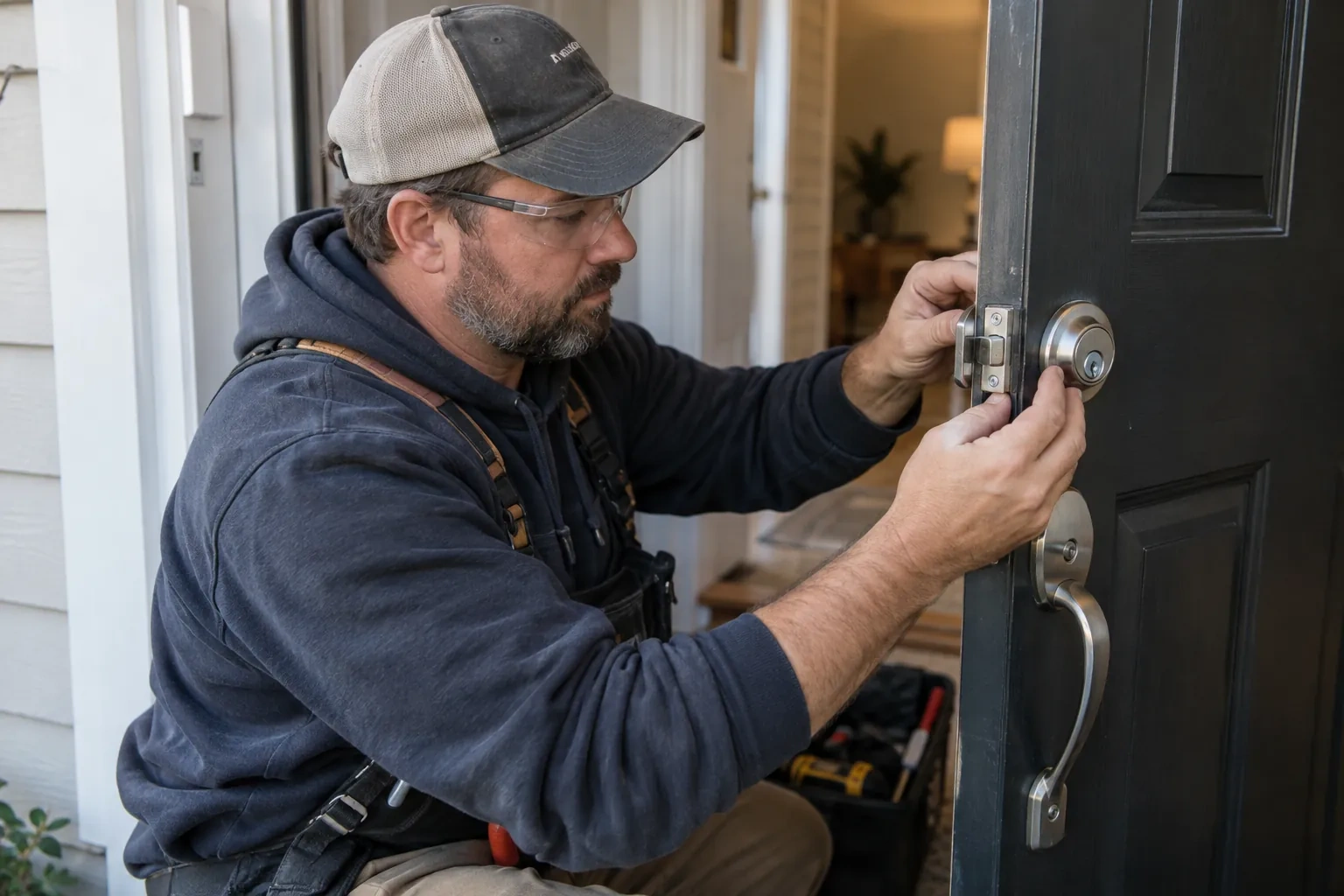
High security · Yongehurst
Safe Installation & Servicing in Yongehurst
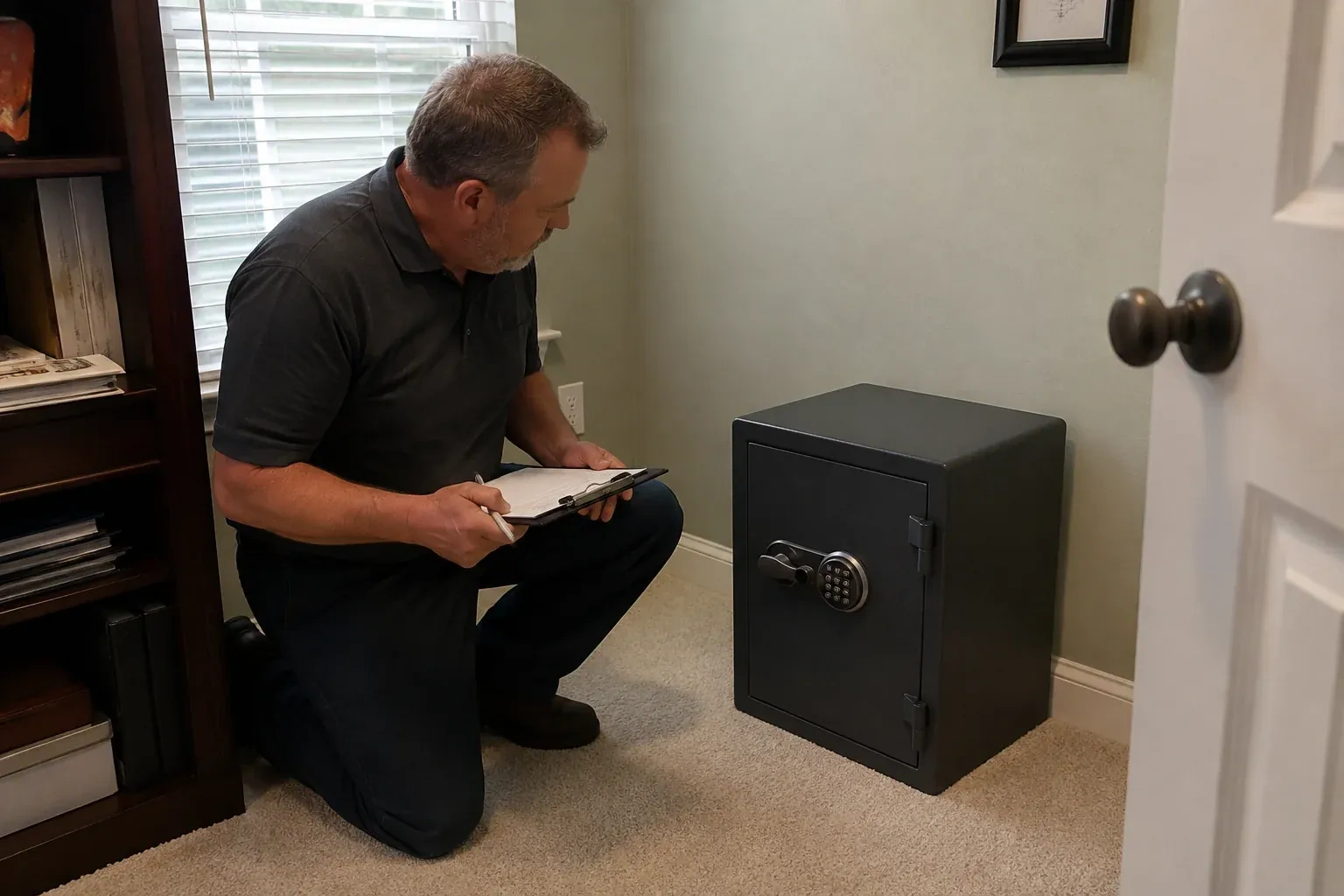
Behind the filing cabinets sits a heavy floor safe nobody ever bolted down, left exactly as the last owner set it.
In plain words
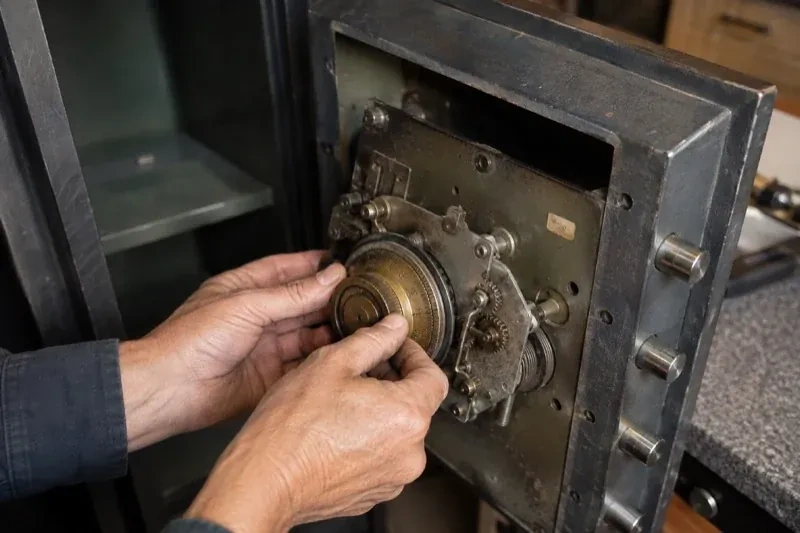
Safe installation and servicing starts with a plain question: what needs protecting, and from what. A till float and a box of paper contracts fail in completely different ways, so a burglary rating and a fire rating are chosen separately rather than assumed from one label. Once the right unit is picked, it is set in its final spot, leveled, and anchored into the floor or wall so it cannot be carried off. The lock, whether a dial or a keypad, is set to a combination or code only the owner holds, then cycled and tested before anyone signs off on the job.
How the visit goesBehind the filing cabinets sits a heavy floor safe nobody ever bolted down, left exactly as the last owner set it. It opens fine, but a determined pair of hands could simply tip it into a van.
Safe Installation & Servicing
How the visit goes
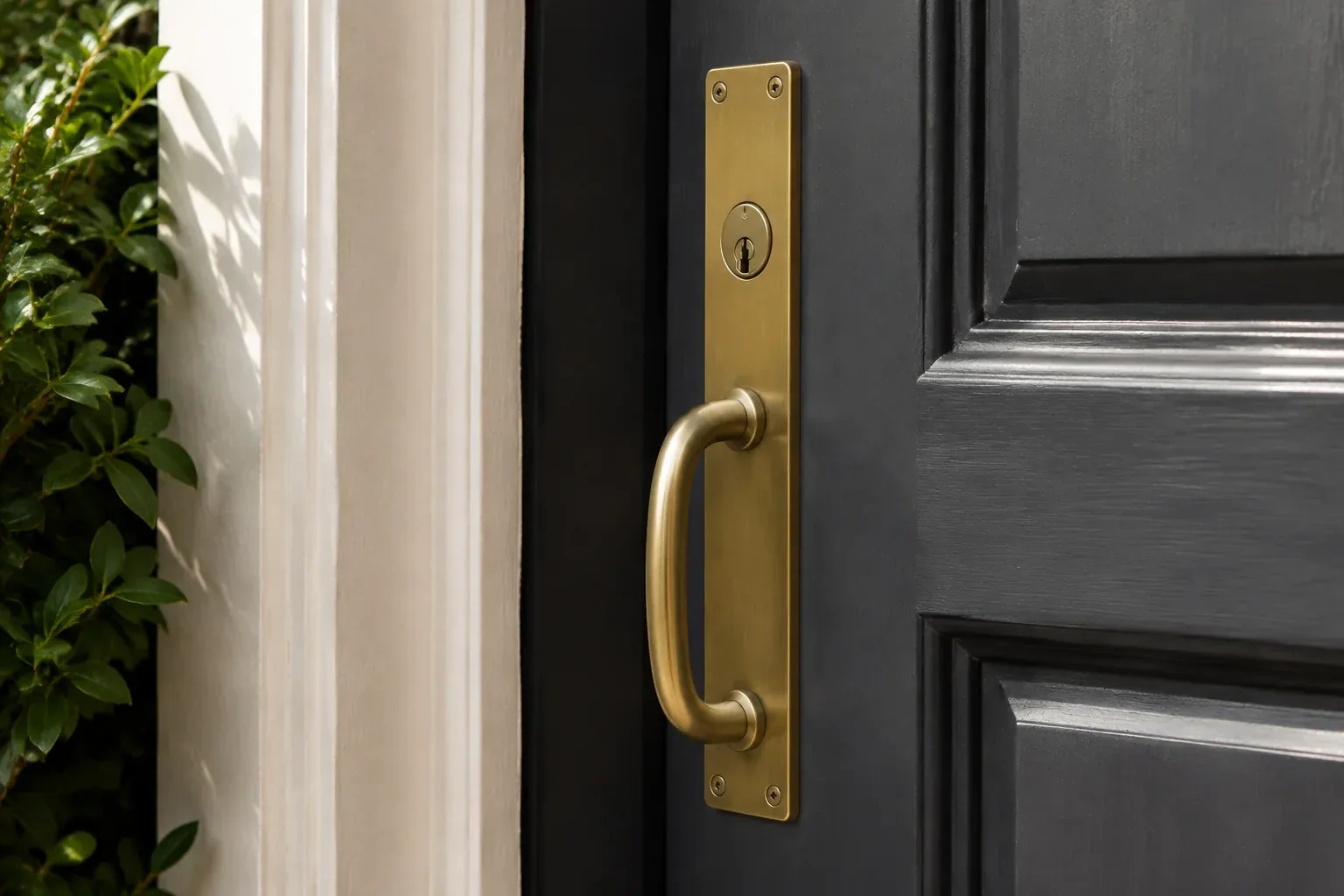
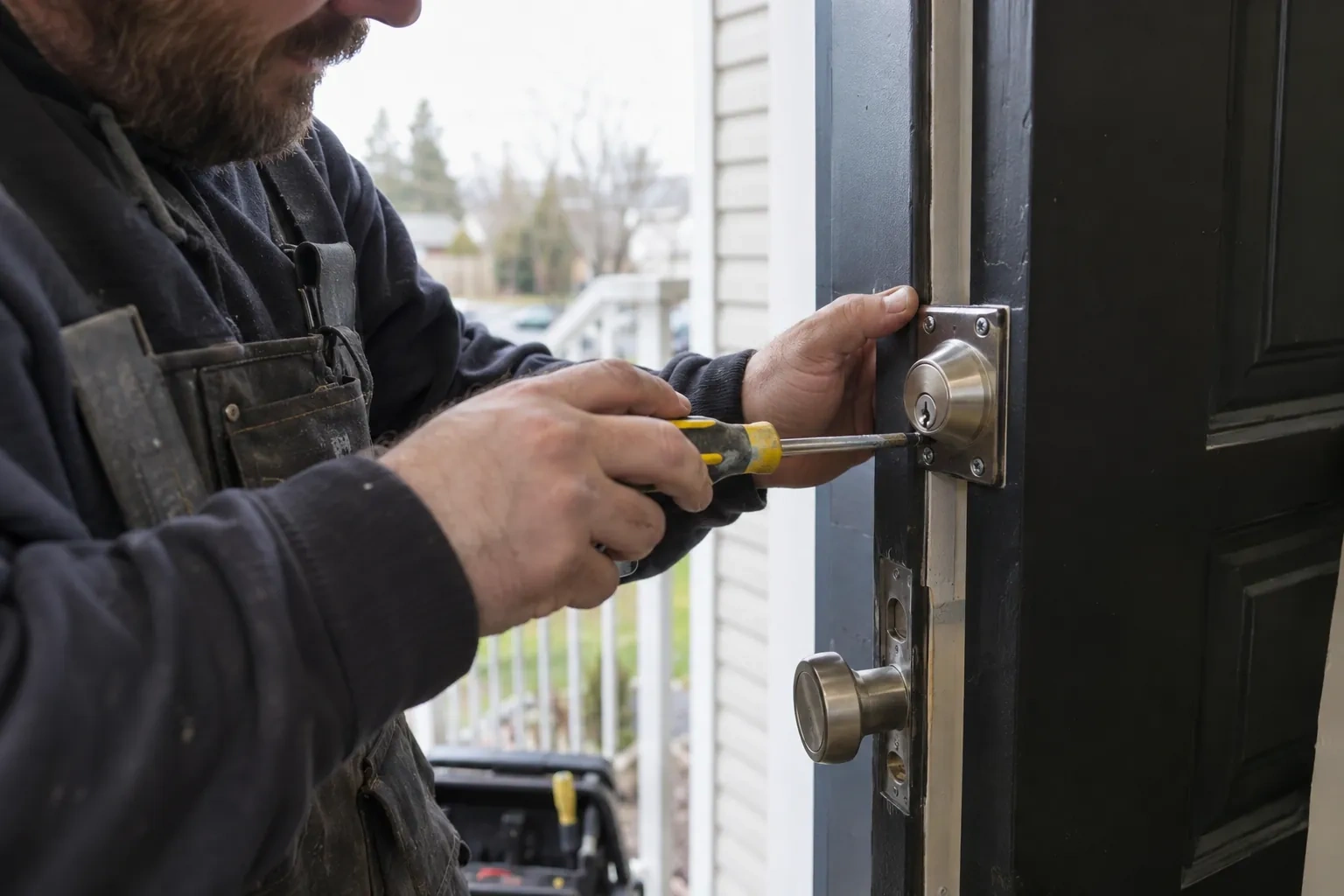
The floor or wall it will sit against
The surface behind the safe decides how it gets anchored, so it is checked before anything is ordered. Solid concrete accepts one style of anchor bolt; a wood subfloor over joists needs a different fastener reaching into structural framing rather than just the surface layer; a tiled floor cannot take a bolt at all without risking a crack around it. The locksmith also looks for slope, dampness, or a cold exterior wall that could sweat in humid weather, since all three affect where the safe should actually stand, not just how it gets bolted down.
Anchoring into a wood subfloor
A wood subfloor calls for a different approach, since a bolt into surface plywood alone pulls out under real weight. The locksmith locates the floor joists beneath the finished surface, drills pilot holes through the subfloor into solid framing, and drives long lag bolts or structural screws with washers that spread the load across the wood. Carpet, vinyl, or laminate over the subfloor is worked around rather than through wherever possible, so the finished floor is left as close to undisturbed as the anchoring allows.
Keeping a fire-rated interior dry
A fire-rated safe protects its contents partly by sealing tightly, and that same seal traps ordinary household humidity over months and years. Opening the door for a few hours every few weeks lets that trapped air exchange with the room, and a desiccant packet placed inside absorbs what builds up between those openings, provided it gets refreshed on a regular schedule rather than forgotten. A musty smell or a document that feels soft at the edges is the interior asking for that airing out sooner rather than later.
Safe Installation & Servicing
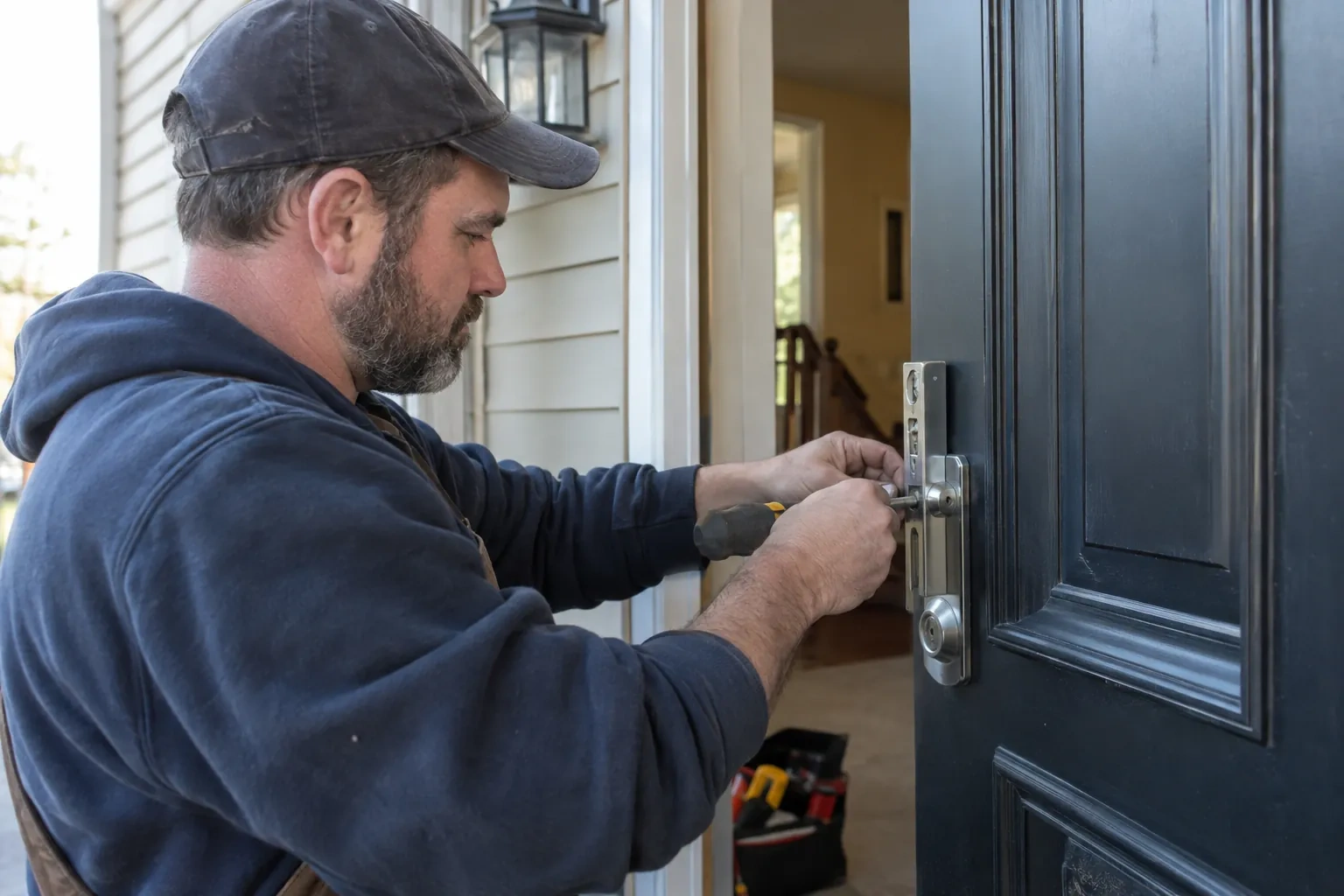
In the van
Torque wrench and socket set
Nine-volt backup battery
Mounting plate
Moving dolly and floor protection
Hammer drill and masonry bits
Safe Installation & Servicing
What affects the quote
Requests for concealment
Fitting a safe into a closet floor, a recessed wall cavity, or behind a built-in panel takes more planning than a straightforward open placement, and can limit which units will actually fit.
New installation versus servicing an existing unit
Fitting a brand-new safe involves positioning, anchoring, and lock setup from scratch, while servicing an existing one focuses on bolt-work, lock testing, and confirming or adding anchoring, generally a shorter list of tasks.
Anchoring difficulty at the chosen spot
A straightforward concrete floor is the simplest case, while a wood subfloor needing joist location, or a tiled surface needing an alternative fastening point, both add steps to the anchoring work.
What to have ready
- What floor or wall will the safe sit against?
- Which room or level of the building will it go in?
- When were the batteries last changed, if it is electronic?
Safe Installation & Servicing: questions
QuestionsCan a safe hold both cash and paper documents at the same time?
Yes, though it is worth knowing the interior conditions suited to each are slightly different. Paper gains real heat protection from a fire-rated lining, but that same sealed lining traps humidity, so paper stored inside needs the same periodic airing and a desiccant packet as any fire-rated interior. Cash and other valuables mainly need the tool resistance of the body and door and tolerate the sealed environment more easily. A single well-chosen unit can hold both together without conflict, particularly with paper kept in a sealed folder or bag inside.
How do I prepare the room before a servicing visit?
Clearing a working space in front of the safe, moving anything stacked against or on top of it, and having a rough idea of when it was last serviced all help the visit start smoothly. If the combination or code is still known, having it on hand avoids needing to open the unit by other means first. Nothing more elaborate than that is generally needed beforehand.
What information should I have ready before requesting a quote?
Knowing roughly what the safe will store, whether it is a new purchase or an existing unit, and what floor or wall it will sit against covers most of what shapes the visit. If the safe is already on site, its approximate weight and dimensions help too, along with whether it currently has a working lock and combination. An insurer's stated rating requirement, if there is one, is worth mentioning as well.