Lockouts · Richmond Hill
Home Lockout Service
You stepped out to grab the recycling bin and the door swung shut behind you.
In plain words
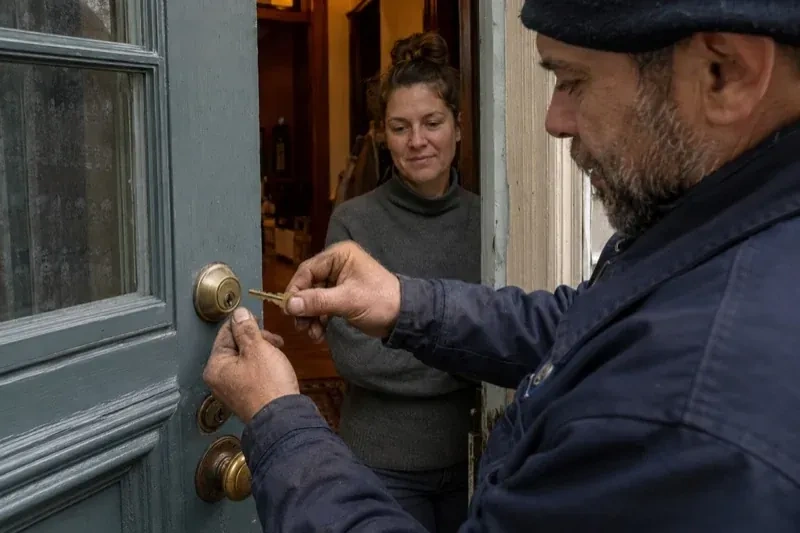
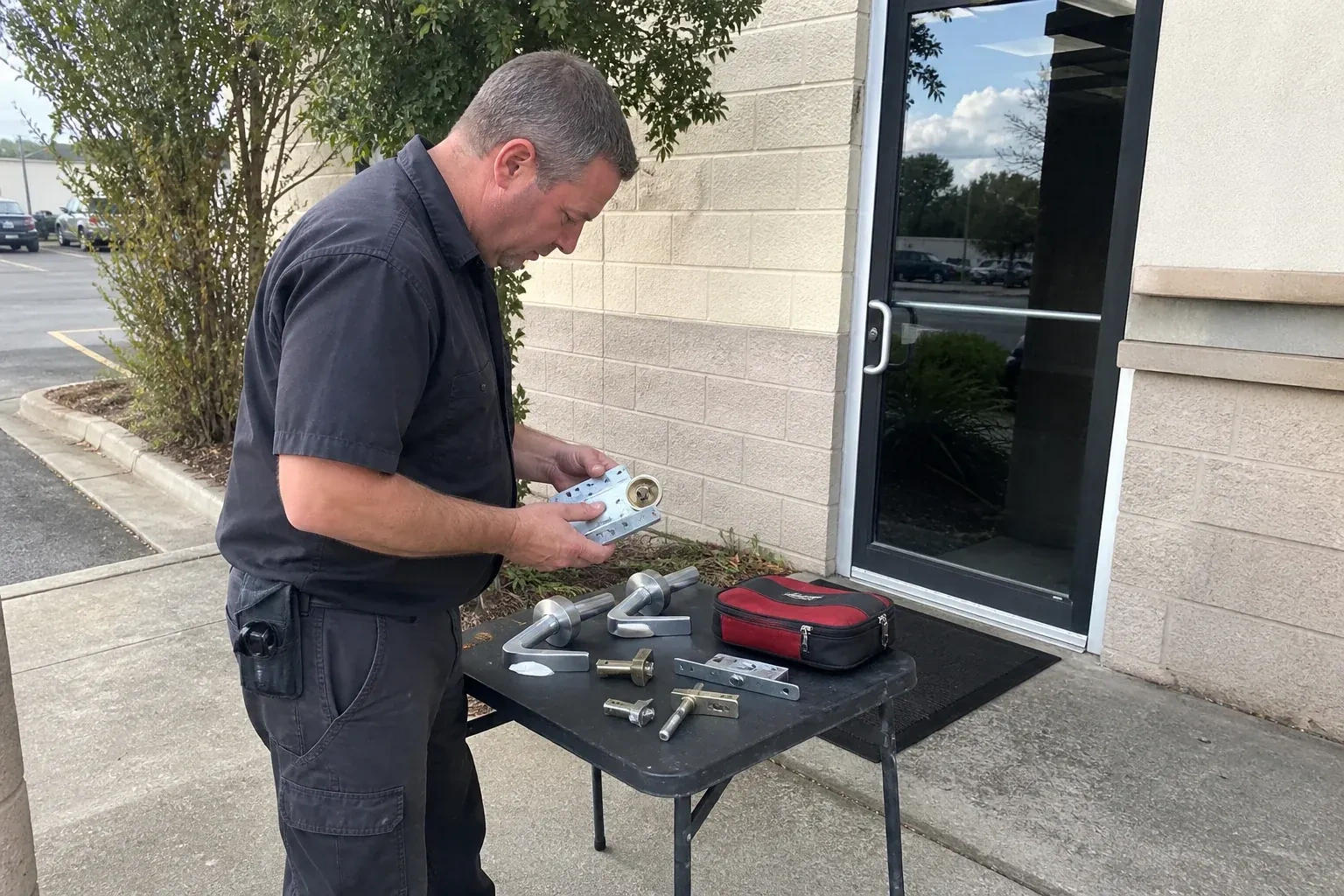
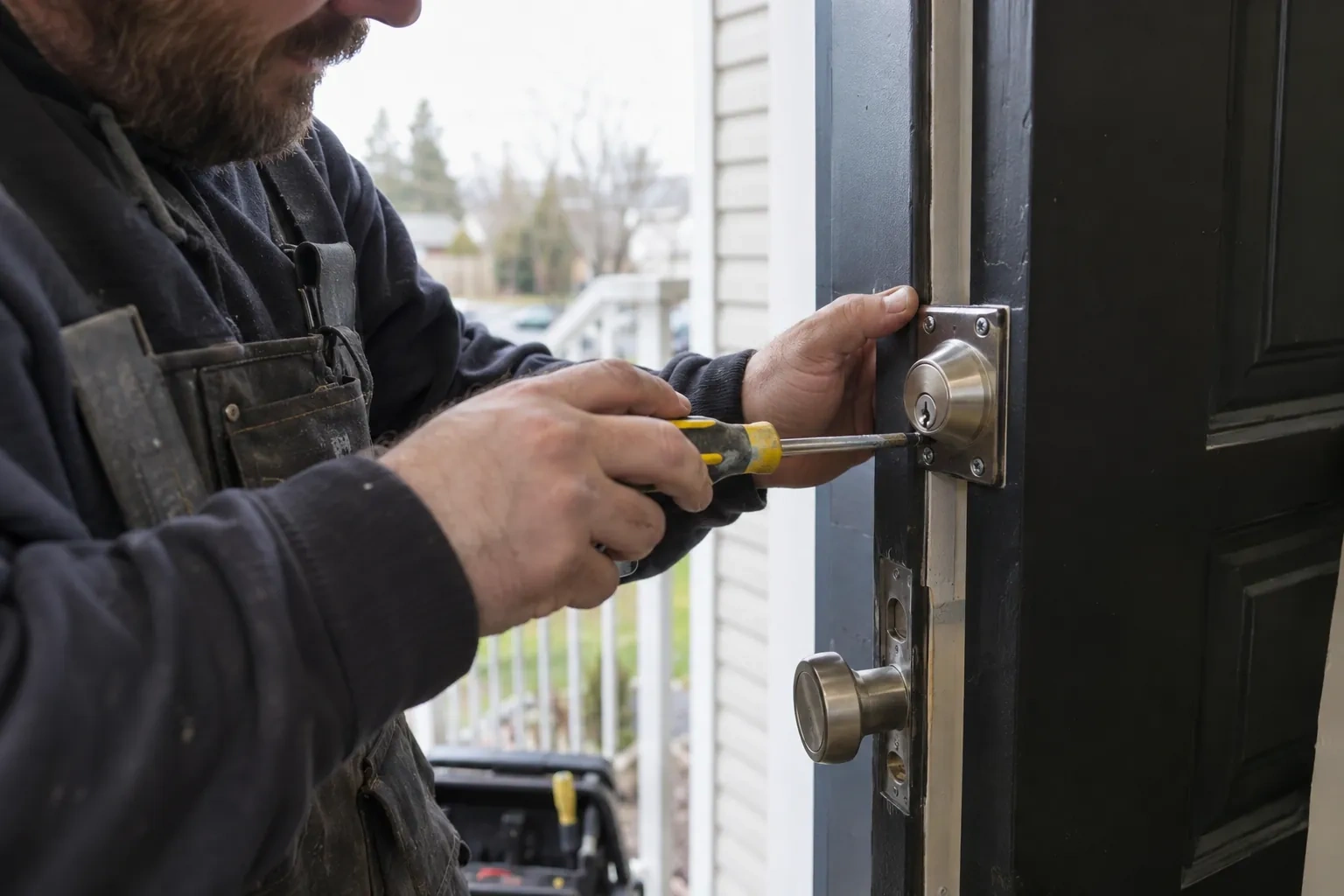
The visit follows a steady order. On the phone you describe the door, the lock and where the key went, which tells the locksmith what to bring. At the house, identification and address are checked and the lock is examined, including the door's fit in its frame. The opening itself comes next, using the least invasive technique that suits the hardware. Once inside, the lock is cycled several times to confirm it works, and you are told what was done. Any recommendation, such as rekeying because a key is missing, is explained then and carried out only if you want it.
How the visit goesYou stepped out to grab the recycling bin and the door swung shut behind you. Through the glass you can see your keys hanging on the hook by the stairs, exactly where they always are, and the latch has caught.
Home Lockout Service
How the visit goes
Where the key went
The next question is about the key rather than the lock. A key left on the hall table means the lock is healthy and only the door needs opening. A key lost on a bus, dropped in a parking lot or taken with a stolen bag means a stranger could be holding it, which changes the advice given after entry. A key that turns without moving anything points to wear inside the cylinder or a broken tailpiece, and a key that snapped calls for extraction before anything else. Ten seconds of honest history about the key saves guesswork and shapes the whole visit.
Getting past a dead smart lock
A keypad lock that has lost power is usually opened by giving it power back. Many models expose two small terminals under the keypad that accept a fresh nine-volt battery held against them, which wakes the lock long enough to enter a code. If that route is unavailable, the locksmith removes the cover over the mechanical override and picks or decodes that small cylinder like a conventional lock. Where the lock has no keyway at all, that model's own recovery method is used instead. Afterwards, batteries are replaced, the door is confirmed to relock automatically if it should, and any forgotten code is reset from the inside.
A clear record of what was done
You should know exactly what happened to your door, so the visit closes with a plain account: which lock was opened, by what method, whether any cylinder was drilled and replaced, what hardware was fitted, how many keys were cut and whether other doors were rekeyed to match. For tenants this note is useful to pass to a landlord or building manager, since the rules about changing locks in a rental expect both sides to know what hardware is on the door. For owners it is a handy line in the home file for the next time someone asks which key opens what. It also makes any later service a simpler conversation.
Home Lockout Service
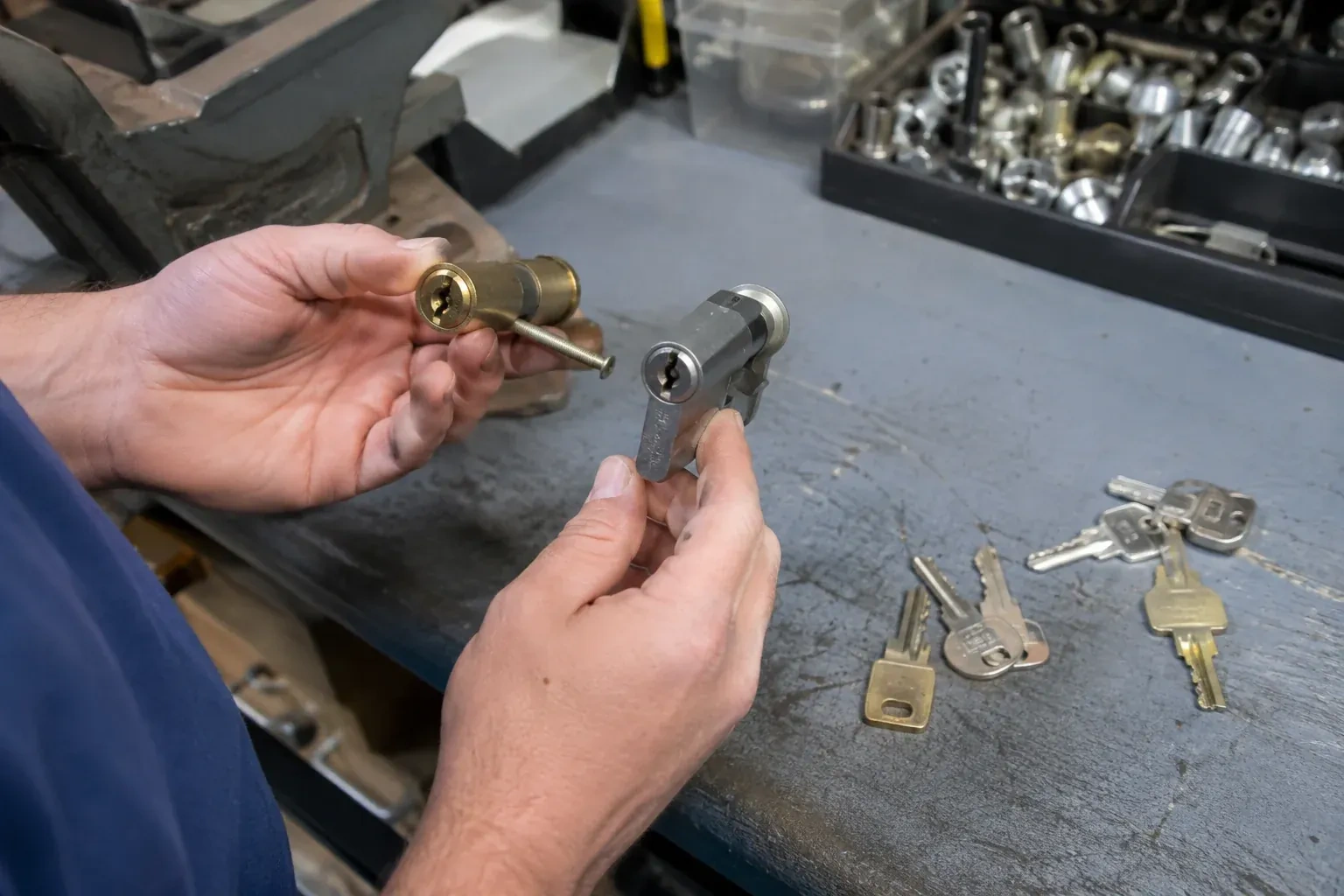
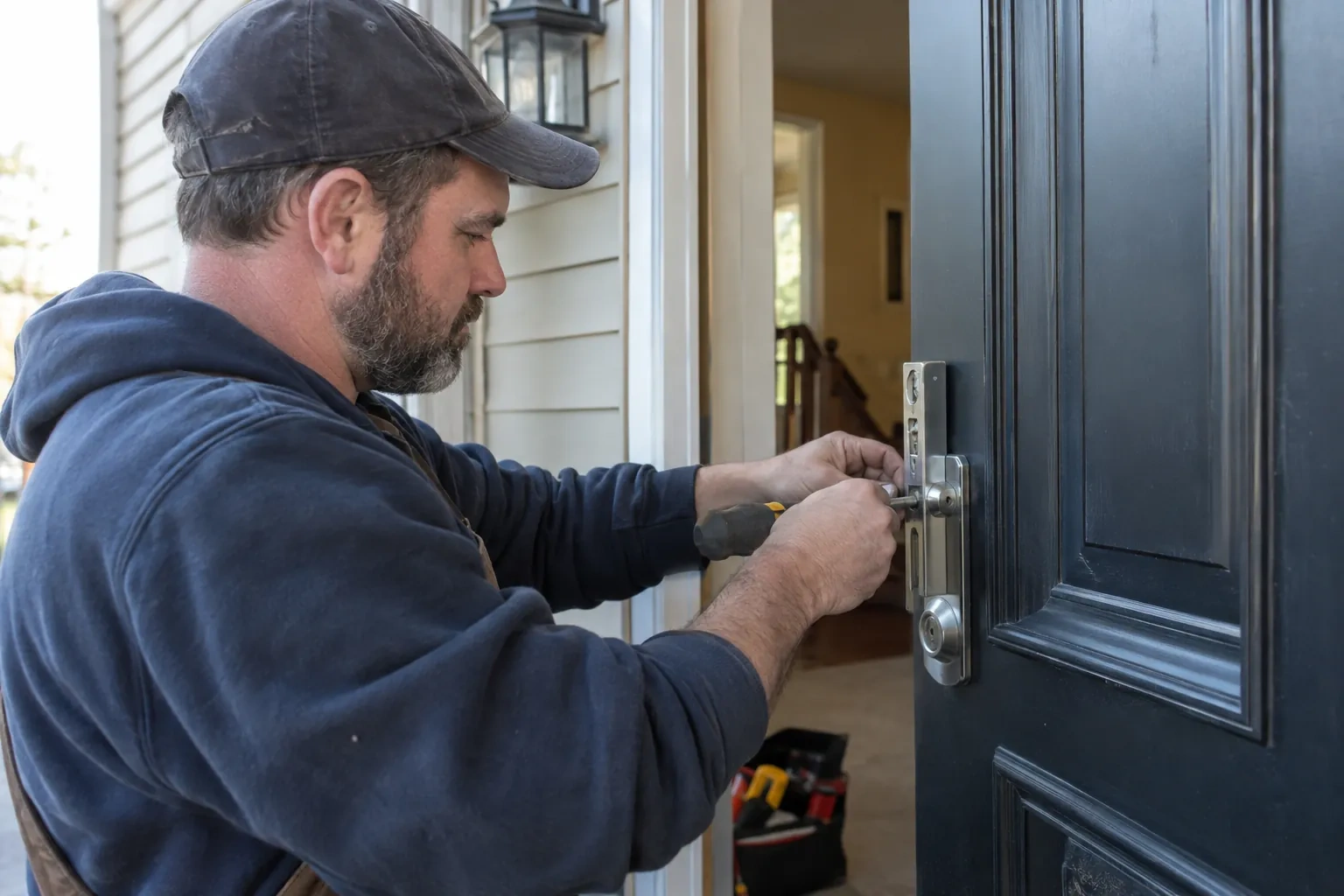
In the van
Key blanks and key cutter
Dry graphite or PTFE lubricant
Plug spinner
Nine-volt battery for smart locks
Broken key extractors
Home Lockout Service
What affects the quote
Number of new keys cut
Keys cut on site are counted into the quote individually. Two for a couple, five for a family with teenagers and a dog walker: say how many you want and the total follows.
Distance to your door
Travel is part of every call-out. A house across town and a rural property at the end of a long road involve different driving time, and the quote reflects the trip as well as the work.
Type and grade of the lock
A builder-grade knob latch, a residential deadbolt, a mortise case in an older home and a high-security cylinder each take different tools and different amounts of time to open, and that difference shows in the quote.
What to have ready
- Is the door swollen, sagging or hard to close even when it is unlocked?
- Do you own the home, rent it, or manage it for someone else?
- Has anyone already tried to open the door with a card or tool?
Home Lockout Service: questions
QuestionsIs a double-cylinder deadbolt a good idea after a lockout?
A deadbolt keyed on both sides is sometimes suggested for doors with glass beside them, but on a main escape door it means finding a key to get out. A door people use to leave the home should open from the inside without a key or special knowledge, especially in an emergency. A single-cylinder deadbolt with a thumb-turn, paired with a reinforced strike and a proper glass film if needed, keeps both security and a clear way out.
My key turns but the door stays locked. What is going on?
A key that spins freely without moving the bolt usually means the connection between the cylinder and the bolt has failed: the tailpiece or cam at the back of the cylinder has broken or slipped, or the internal parts of an older mortise lock have worn. The good news is that this is a hardware fault rather than a lost key, so once the door is opened the fix is a repaired or replaced cylinder and your keys keep working.
Do I have to show identification before you open my door?
Yes, and it is a reassuring step rather than a hurdle. Photo identification that matches the address settles it in seconds. When your identification still carries a previous address, other proof does the job: a tenancy agreement, a recent bill, a piece of addressed mail, or a word with your building manager. Locksmiths take this seriously because it protects every home they are asked to open, including yours.