Car keys · Richmond Hill
Key Fob Programming
A new driver has joined the household, and the one existing fob is the only key anyone has ever had cut for this vehicle.
In plain words
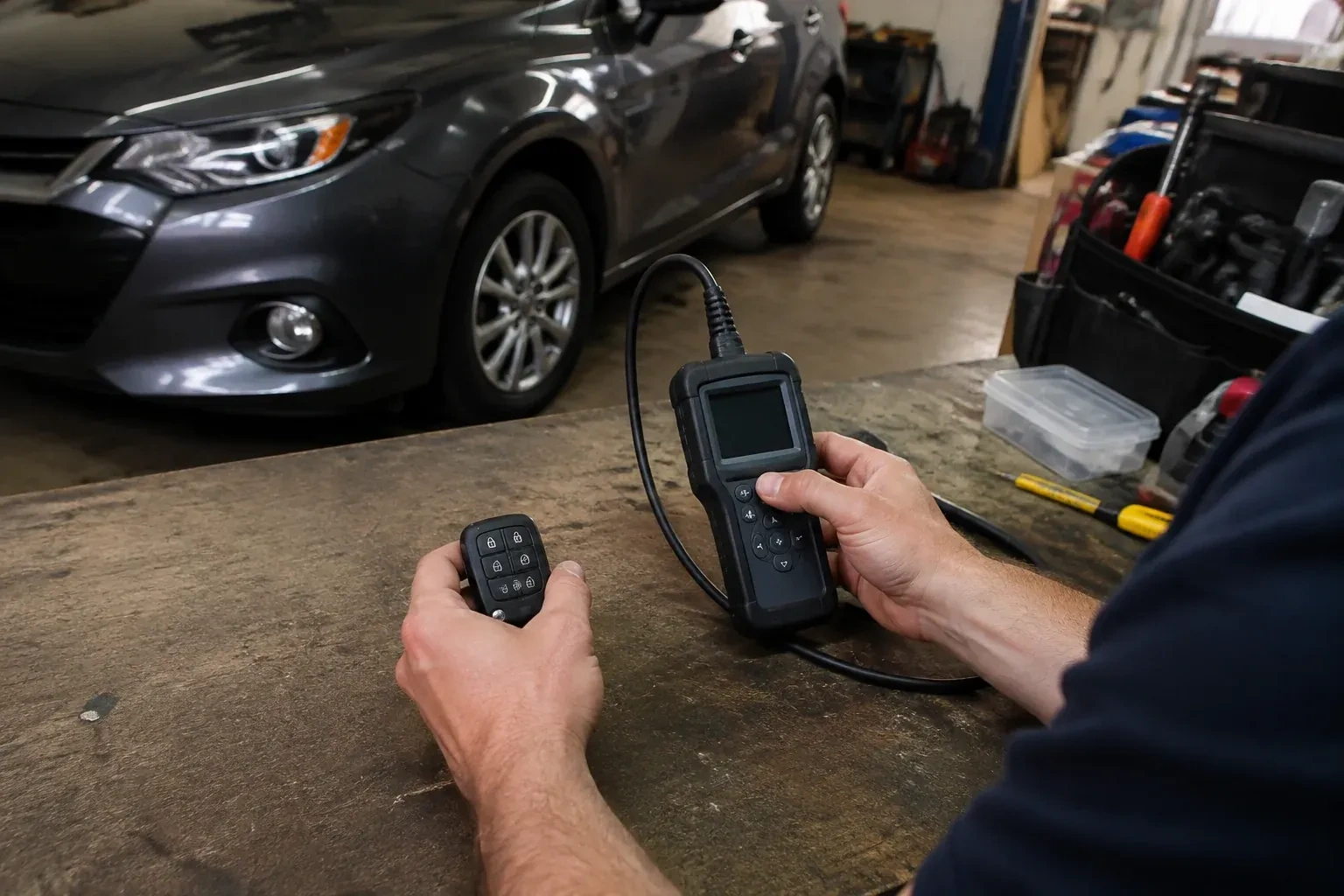
Where the fobs currently stand decides how the visit unfolds. If one working fob remains, the job is usually adding a second or third to the vehicle's accepted list, though some procedures need every fob you still have present and re-registered rather than leaving the working one untouched. If every fob has gone missing, the visit follows that vehicle's own all-keys-lost route: on many systems the memory is cleared of old fobs and a fresh set registered in their place, often through extra security steps, while some vehicles instead add a new credential through an authenticated app or manufacturer service access.
How the visit goesButtons on the fob still light up and the remote still clicks, but the vehicle refuses to start even with the fob sitting in the cupholder. The mechanical blade turns the door without trouble; something further inside the dashboard has stopped recognizing the fob's signal.
Key Fob Programming
How the visit goes
Counting every fob already in the house
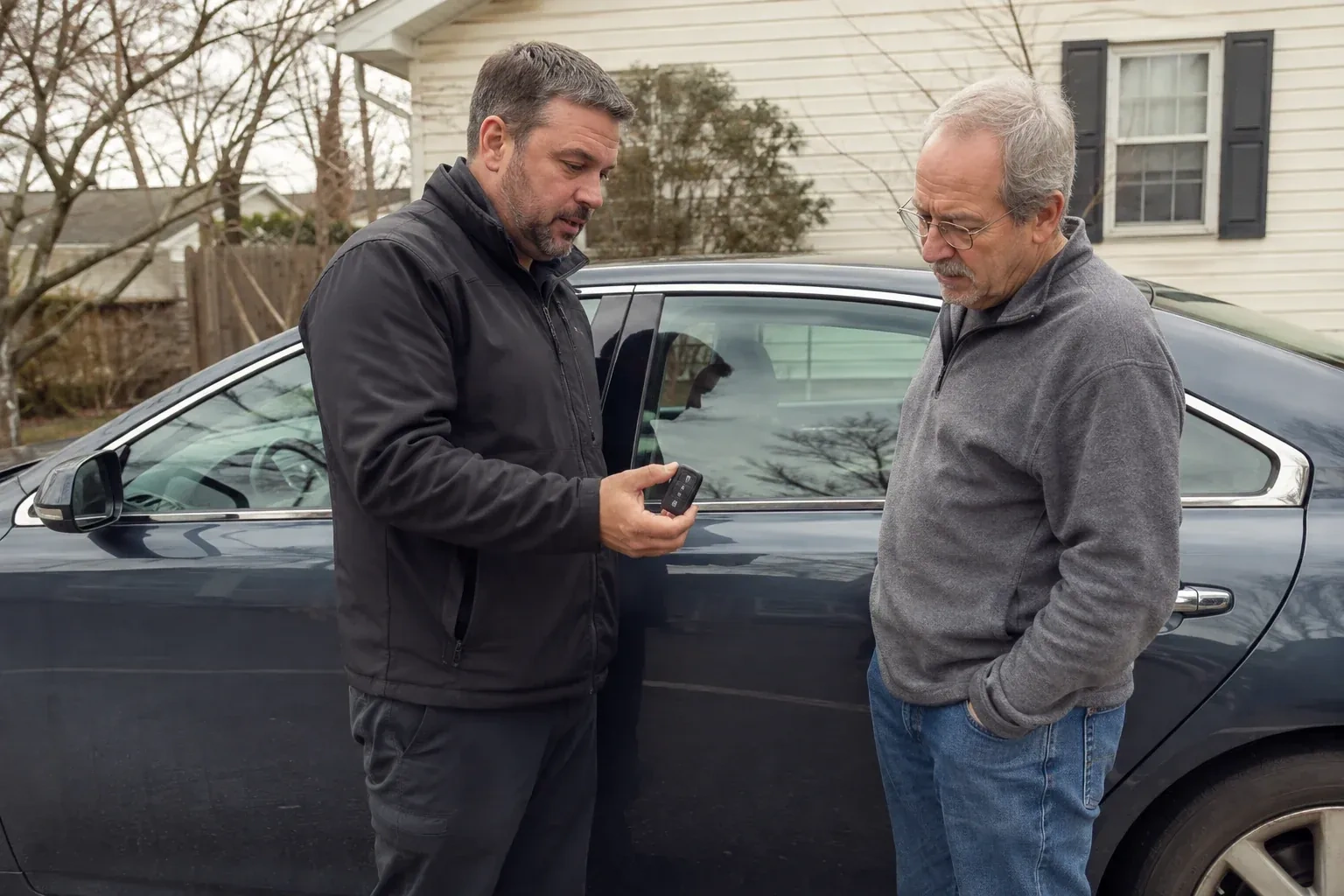
The visit starts with an honest count of what fobs exist for this vehicle right now, working or not, present or missing. A household that believes it has two fobs sometimes turns out to have three once a coat pocket or a junk drawer gets checked, and that count changes the plan. Any fob confirmed lost or unaccounted for gets flagged for removal from the vehicle's memory once the new one is added, so the visit ends with every remaining fob known and accounted for rather than an open question.
Sending the work to the right procedure when it needs one
A vehicle identified as needing manufacturer-level security access is not forced through a workaround; the visit documents exactly what was found, what the vehicle needs, and what a dealer or an authorized access pathway would require to finish the job. Any parts already sourced, such as a compatible fob or a cut mechanical key, travel with that documentation rather than going to waste, so the household reaches the next step with the groundwork already done instead of starting the diagnosis over.
What to do the next time a fob goes missing
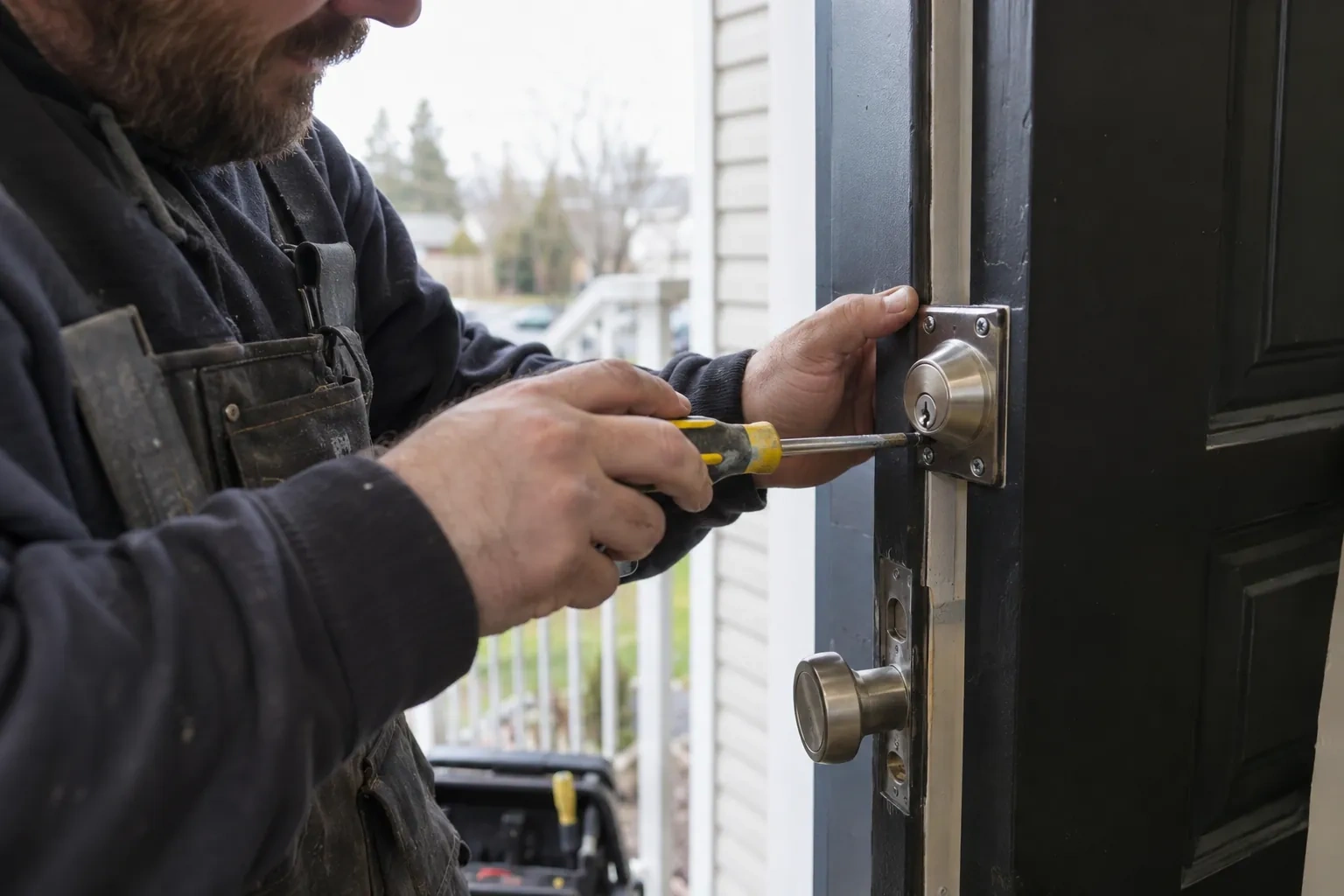
A single lost fob is a manageable problem: the vehicle's memory can be told to stop recognizing its electronic authorization, following that model's own procedure. A mechanical blade built into the fob is a separate question, addressed by rekeying the matching lock where that risk needs ruling out too. Reporting a loss promptly, rather than hoping the fob turns up, is the habit worth keeping, since a fob nobody has removed from the system keeps working for as long as it sits in a stranger's drawer or a lost bag somewhere.
Key Fob Programming
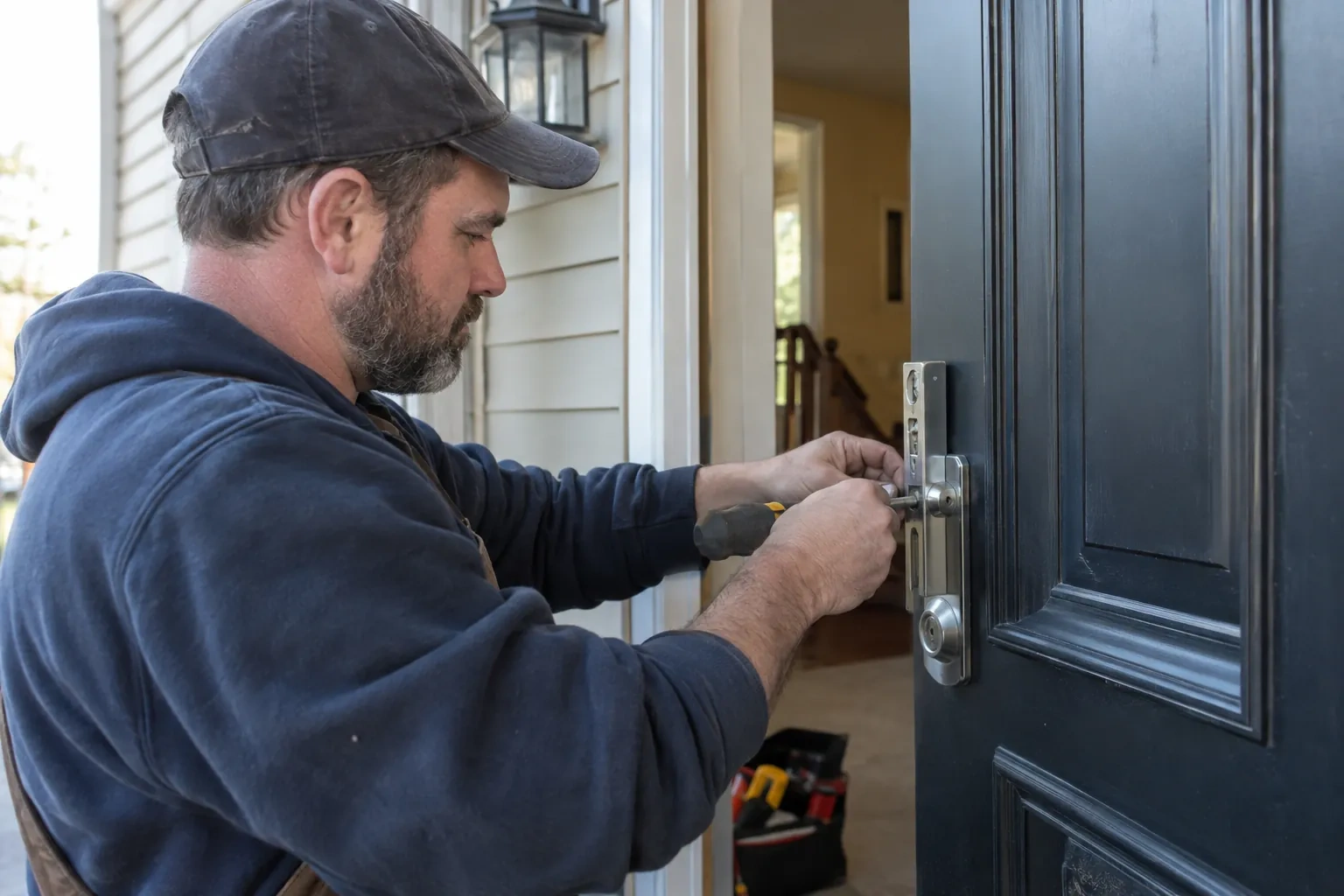
In the van
Coin-cell fob battery
Replacement fob shell and buttons
Fob and remote signal tester
VIN and manufacturer service records
Mechanical key blank
Key Fob Programming
What affects the quote
Which key system the vehicle uses
A basic remote-and-blade key, a transponder key, or a full proximity fob with passive entry and remote start each involve different parts and different procedures, and that difference is reflected in the quote from the first assessment.
Number of drivers being added to the vehicle
Programming one fob for one new driver is a smaller task than bringing an entire household or a company's drivers onto the same vehicle's key list in a single visit.
Aftermarket parts versus original manufacturer fobs
An aftermarket fob can cost less than an original manufacturer part where one is compatible, and availability varies by vehicle age and make, which the quote takes into account once compatibility is confirmed.
What to have ready
- Is this a remote, a transponder key, or a proximity fob?
- Is a new driver being added to the vehicle's key list?
- Do you already have a replacement fob, or does one need sourcing?
Key Fob Programming: questions
QuestionsHow many fobs can be registered to one vehicle?
This depends on the manufacturer, since each vehicle's memory has a set limit built in, commonly enough for several drivers plus a spare. The visit checks how many the specific vehicle allows and how many are already registered, so a household adding another driver knows whether there is room before a new fob is ordered.
Will adding a new fob affect my remote start or passive entry?
On many vehicles, no, not for the fobs already working: adding a fob to the accepted list does not change how they behave. Some procedures instead need every retained fob present and re-registered, so check the vehicle's own routine first. Either way, the new fob is tested for every function the vehicle offers, including remote start and passive entry where fitted.
Does key fob programming include cutting a mechanical key?
It can. Most proximity fobs hide a small mechanical blade inside the case for the day the battery dies or the electronics fail, and that blade is cut separately from the programming procedure, either to the vehicle's original code or matched to an existing working key. If your replacement fob arrived without a cut blade, mention it so the visit includes cutting one.
Related services
- Car Key ReplacementAfter fifteen years the blade has worn to a smooth sliver.
- Spare Car Key DuplicationA lockout last month ended with a locksmith opening the door and going home, and the same single key has been carried ever since with nothing behind it.
- Transponder Key ProgrammingThe car came with a single key when the sale went through, and that key is the only thing standing between the household and being stranded.