Lockouts · Yongehurst
Broken Key Extraction in Yongehurst
You were locking up on the way out when the key broke in the lock.
In plain words
Keys break for a reason, and finding that reason is half the visit. A brass key wears thinnest at its deepest cut, and after years of turning it fatigues there until a cold morning or a stiff bolt finishes it. Sometimes the lock is the culprit: grit in the keyway, a loose cap, worn pins, or a door that has dropped so the bolt binds and the key takes the strain. The extraction removes the piece; the inspection that follows tells you whether the lock needs a clean and lubricant, an adjustment, or a new cylinder, so it does not happen again next month.
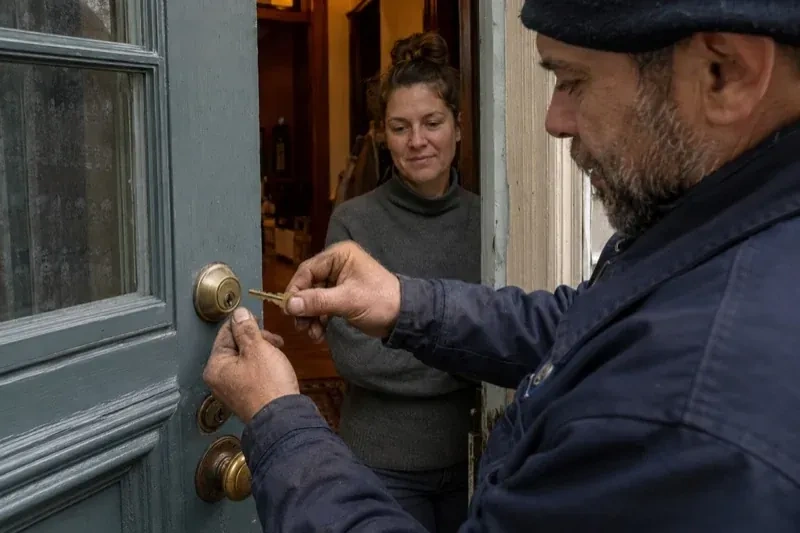
How the visit goesThe apartment key snapped mid-turn, leaving the cylinder twisted halfway between locked and open. The building manager's spare is somewhere across town and nobody else has a copy. You are on the wrong side of the door.
Broken Key Extraction
How the visit goes
Locked or unlocked right now
Whether the bolt is thrown changes the order of work. If the door is locked, extraction is the first half and getting you inside is the second; the locksmith plans both so the door is opened with the least fuss once the keyway is clear. If the key broke while you were locking up and the door is open, the priority reverses: the fragment comes out and the door is made secure before anything else is discussed, so you can leave when you need to. On a vehicle the same question applies to the door and, separately, to whether the ignition turns.
The last resort, said out loud first
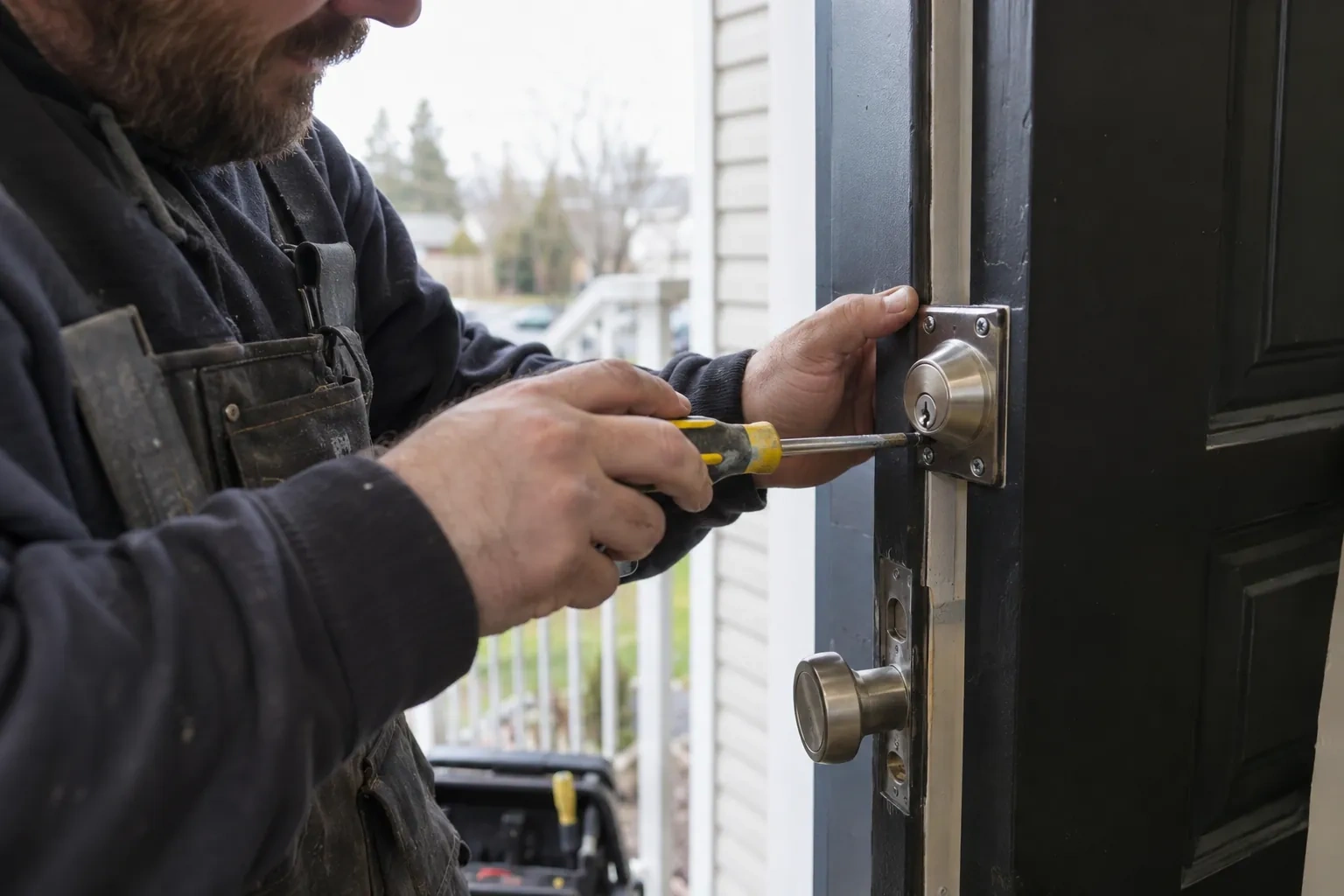
If a fragment has been glued in place, driven behind the pins with a screwdriver, or seized into a corroded plug, drilling can be the only route left, and you are told so before it starts. The bit is placed precisely where plug meets housing, freeing the plug to rotate; the damage is contained inside the cylinder and the door, trim and bolt are left alone. A fresh cylinder or complete deadbolt is installed during the same visit, keys are cut and tried, and the door is locked behind you before the van pulls away. It happens rarely, and it still ends with a door you can trust.
A cylinder that has been looked after
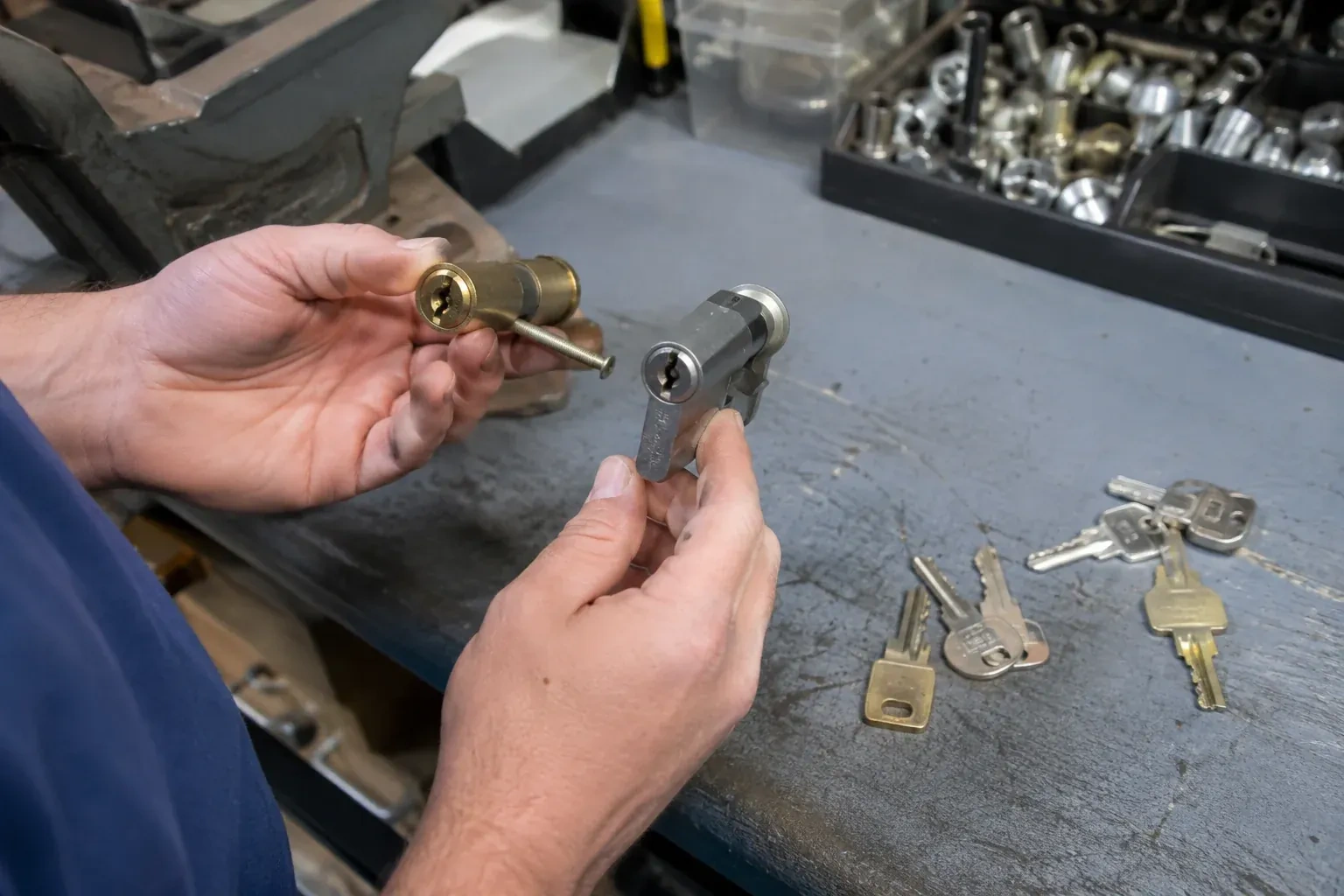
Extraction usually doubles as a service. The keyway has been blown clear of grit and salt, the pins and springs checked for wear, the cylinder cap snugged if it had loosened, and dressed with the lubricant its maker specifies rather than a one-size-fits-all product, since some cylinders take a dry graphite or PTFE spray and others forbid graphite outright. General household oils and sprays commonly collect dust and clog the pin chambers. A puff of the right lubricant twice a year, spring and fall, keeps the cylinder turning freely, and a key that starts to need force is an early message worth acting on before it breaks.
Broken Key Extraction
In the van
Hook key extractors
Compressed air for the keyway
Manufacturer-approved cylinder lubricant
Replacement cylinder or deadbolt
Vehicle key blades and chip shells
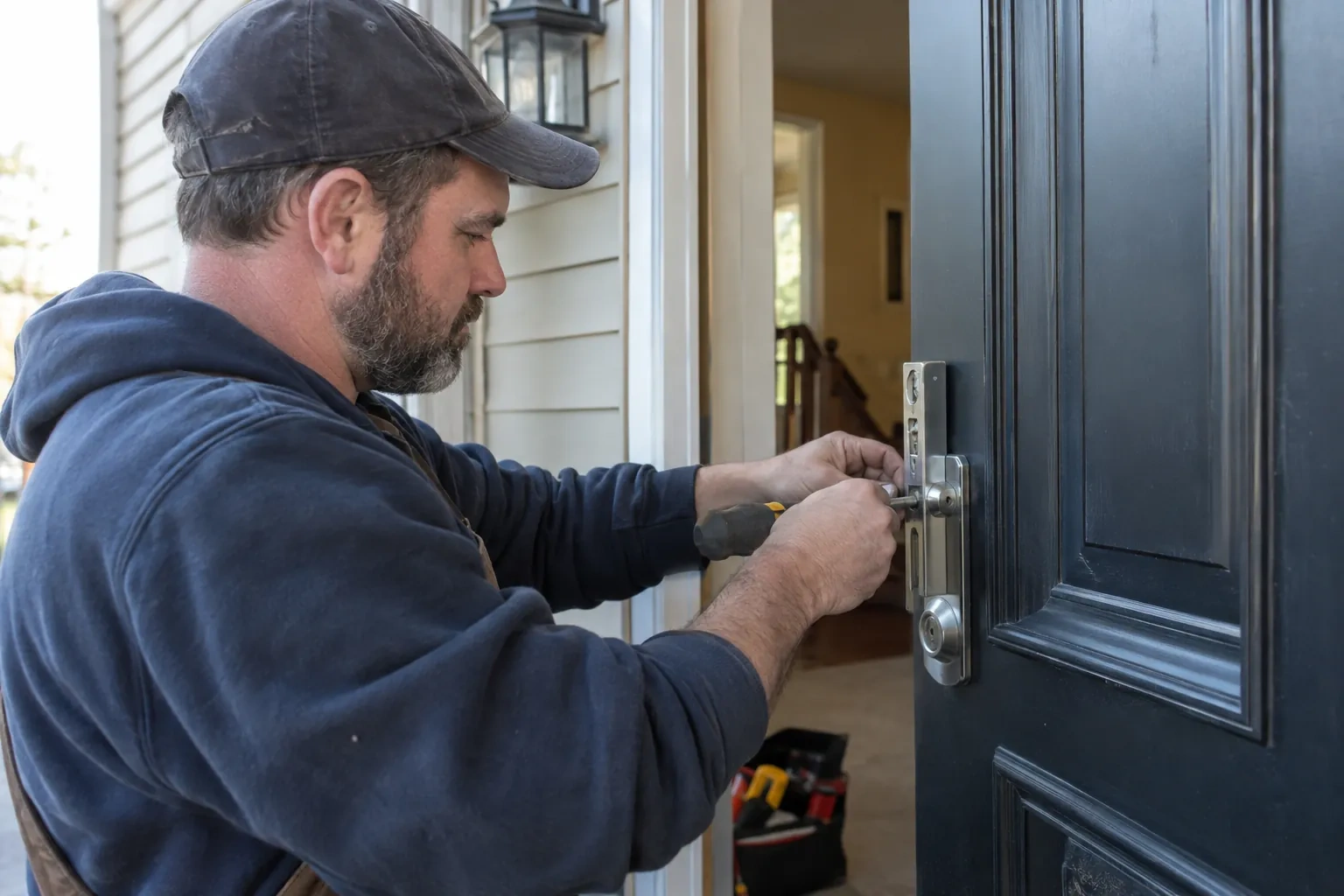
Broken Key Extraction
What affects the quote
Number of keys cut
Copies are counted individually. One replacement for a single occupant and four for a household are different lines, and you choose the number on the spot.
Locked or unlocked door
If the door is locked, the extraction is followed by opening it, which is quoted as its own part of the visit. If the door is open, the work is extraction and securing.
Anything added since the break
Glue, a second key or marks from a screwdriver mean clearing and sometimes repair before extraction can start, and that added time is named in the quote.
What to have ready
- Is it a car key with a chip or remote buttons in the head?
- Do you own, rent or manage the property, and is identification with you?
- Had the key been needing extra force or a wiggle lately?
Broken Key Extraction: questions
QuestionsPart of the key is sticking out. Can I just pull it with pliers?
If a good length shows and the plug is at its normal rest position, a firm straight pull sometimes works. The risk is pushing instead of pulling, or twisting, which drives the piece deeper and can bend a pin. If it does not come on the first gentle try, stop there and leave it for extractor tools, which grip the cuts without loading the cylinder.
My key is a restricted or high-security type. Can it still be extracted and replaced?
Extraction is the same careful process; the keyway is usually narrower and the cuts more complex, so it takes longer. The replacement key is different: restricted blanks are cut only from the system's records, so have the authorization card that was supplied with the system to hand, or the locksmith who installed it is contacted. Until then the spare, if you have one, keeps the door working.
Why do keys break more in winter?
A daytime thaw sends meltwater into the keyway, and overnight it freezes with the plug held solid. The key goes in, meets resistance, and the natural reaction is to turn harder. Brass gives before ice does, especially at a deep cut that has thinned over years. Cold also stiffens old grease in the cylinder. De-icer, gentle warmth and a dry lubricant break the pattern.
Related services
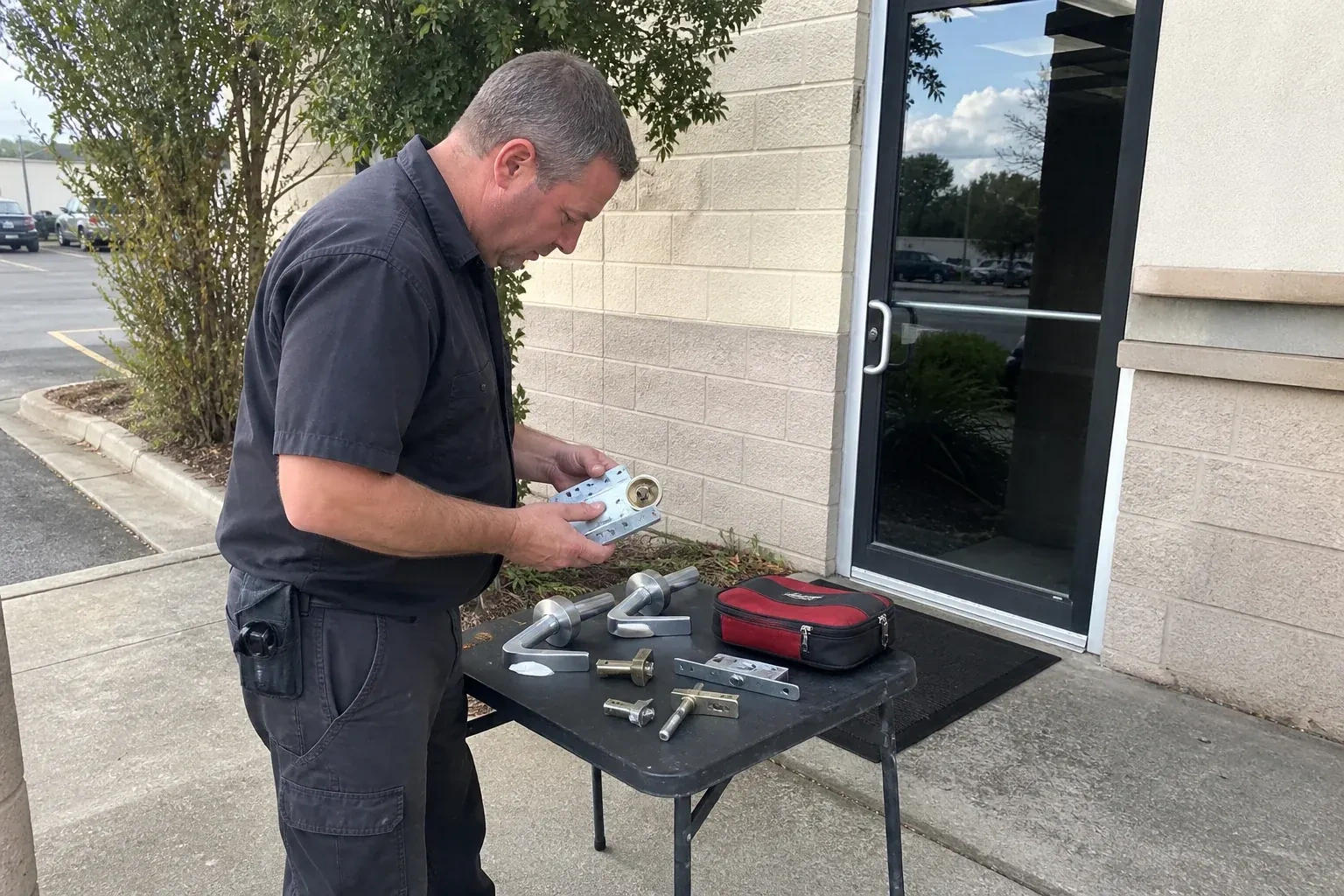
- Business Lockout ServiceMinus eighteen with a wind, and the exterior cylinder on the shop door has frozen solid overnight after yesterday's slush.
- Break-In Damage Lock RepairThe patio slider is sitting crooked on its track.
- Seized & Jammed Lock OpeningThe key slides all the way in, exactly as it has for years, and then refuses to turn in either direction.